BikeTok: How to Start Creating Motorcycle Content in 2026
By 6FOOT4HONDA · 14 min read · Feb 15, 2026 · Updated Mar 4, 2026
This post may contain affiliate links. We only recommend gear we'd use ourselves. If you click a link and make a purchase, we may earn a small commission at no extra cost to you.
In This Article
BikeTok isn't just a hashtag — it's a full-blown subculture. The motorcycle corner of TikTok has exploded over the past few years, with #motorcycle alone pulling over 4 billion views and #biketok becoming the community's home base. Riders are building massive followings from their garages and backroads, and the barrier to entry has never been lower.
But here's what nobody tells you: most new motorcycle content creators quit within 3 months. Not because they lack talent, but because they skip the fundamentals. They buy the wrong gear, post without a plan, and get frustrated when the algorithm ignores them.
This guide covers everything — the equipment you actually need, the content formats that work, and the strategy behind growing an audience. Whether you want to build a brand or just share your rides with the world, this is your playbook.
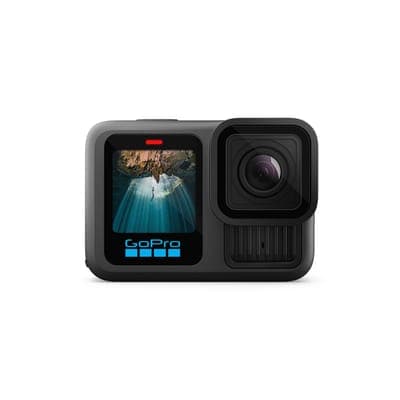
GoPro Hero 13 Black
Proven reliability, excellent stabilization, massive accessory ecosystem
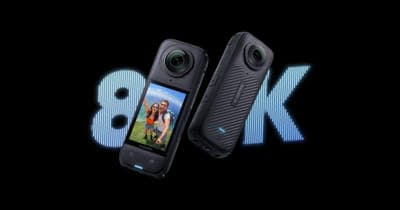
Insta360 X4
360 capture lets you reframe shots after the ride — perfect for short-form content
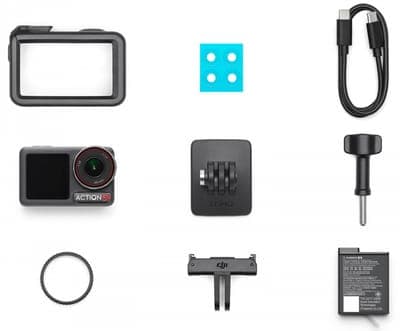
DJI Osmo Action 5 Pro
Incredible stabilization, long battery life, and dual touchscreens at a competitive price
What is BikeTok?
BikeTok is the motorcycle community on TikTok — a thriving ecosystem of riders creating short-form content around bikes, rides, gear, wrenching, and motorcycle culture. It's part of the broader "MotoTok" world that spans TikTok, Instagram Reels, and YouTube Shorts.
The community exploded during 2020-2021 when new riders flooded the market and discovered that a GoPro chin-mount POV clip could rack up millions of views overnight. Today, BikeTok is one of TikTok's most engaged communities, with creators ranging from professional stunt riders to beginners documenting their first track day.
Key hashtags and their reach:
- #motorcycle — 4.3B+ views
- #biketok — 1B+ views
- #mototok — 500M+ views
- #motorcycletiktok — 400M+ views
- #motovlog — 300M+ views
- #bikelife — 2B+ views
The hashtag game matters less than it used to. TikTok's algorithm now prioritizes watch time and engagement over hashtags. Use 3-5 relevant hashtags per post, but focus your energy on making the first 2 seconds impossible to scroll past.
The Gear You Actually Need
Let's kill the biggest myth first: you don't need a $500 camera setup to start. Some of BikeTok's most viral clips were shot on a used GoPro Hero 9 with a $25 chin mount. Start cheap, prove you enjoy creating, then upgrade.
Cameras
Budget Tier ($150-250)
Used GoPro Hero 10/11
The smart money move. A used Hero 10 or 11 gives you excellent stabilization and 4K video for a fraction of new price. Check eBay, Facebook Marketplace, or r/GoPro.
The used GoPro market is a goldmine for new creators. A Hero 10 goes for $150-200 used and shoots better video than most people's $1,200 phones in a motorcycle context. The HyperSmooth stabilization handles road vibration beautifully, and the accessory ecosystem is unmatched.
Mid-Range ($300-400)
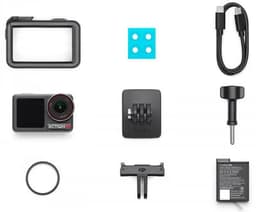
DJI Osmo Action 5 Pro
The GoPro killer. Incredible stabilization, longer battery life than any GoPro, dual touchscreens, and a magnetic mounting system. Best bang-for-buck in 2026.
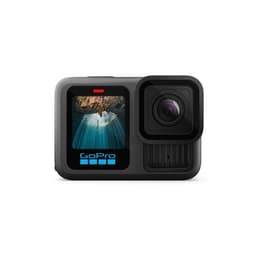
GoPro Hero 13 Black
The industry standard. HyperSmooth 6.0, improved low-light, and the largest accessory ecosystem. If your riding buddies all have GoPros, battery and mount sharing is a real perk.
Premium ($500+)
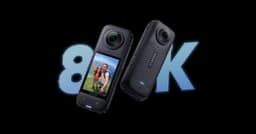
Insta360 X4
The content creator's secret weapon. Shoot in 360, then reframe in the app after your ride. One camera captures every angle — forward, behind, and everything in between. Perfect for cinematic BikeTok edits.
The Insta360 is increasingly becoming the BikeTok camera of choice for creators who prioritize cinematic content. Our complete Insta360 camera guide for motorcycles breaks down every model if you want to go the 360 route. The ability to reframe shots after the fact means you never miss an angle. The trade-off is that the image quality per-frame is slightly lower than a dedicated action cam, and the workflow requires an extra editing step.
Do NOT use your phone as a motorcycle camera. Apple has officially warned that motorcycle vibrations can damage iPhone camera OIS systems, causing permanently blurry photos and video. The high-frequency vibrations from your handlebars will kill your phone's camera over time. Use a dedicated action camera.
Mounting
The chin mount is king on BikeTok. It gives you that immersive first-person POV that viewers love — they see what you see, and it feels like they're riding with you.
Top chin mount options:
- MotoRadds FLEX Slim (~$25) — The most popular option. Adhesive mount that fits most helmets, low-profile, strong hold.
- ChinMounts.com Custom (~$35) — Helmet-specific mounts for a cleaner look. They make models for most popular helmets (Shoei, HJC, AGV, etc.).
- Lupholue Universal Strap (~$15) — Budget option that wraps around any helmet chin bar. Not as clean but works in a pinch.
Other mount positions:
- Handlebar mount — Great for B-roll footage showing the road and your hands. Use a vibration-dampening mount to protect your camera. A Quad Lock mount handles your phone, and similar clamp-style mounts work for action cameras.
- Chest mount — Shows the bike's tank and your hands. Popular for track day content.
- Tail mount — Rear-facing for capturing the group ride behind you. Use a curved adhesive mount on the tail cowl.
Audio — The Part Everyone Gets Wrong
Here's the thing that separates amateur BikeTok from the creators who actually grow: audio quality. Wind noise is brutal on a motorcycle, and your camera's built-in mic will capture nothing but a wall of white noise at anything above 30 mph.
Budget audio solution (~$30):
A wired lavalier mic like the Purple Panda ($30) routed inside your jacket from the camera to inside your helmet. It's not elegant, but it captures your voice clearly. Most viewers won't notice the cable.
Mid-range solution (~$170-350):
A wireless mic system like the DJI Mic 2 ($170) with the transmitter in your helmet and receiver on your camera. Cleaner setup, no cables, and better audio quality.
Premium solution (~$350-400):
A Bluetooth intercom like the Cardo Packtalk Edge ($389) or Sena 50S ($330). These serve double duty — you get rider-to-rider communication AND can record your voice. Some models output audio directly to your camera via Bluetooth or cable.
Even a $30 wired mic is infinitely better than no mic. If you're starting with a tight budget, prioritize audio over camera quality. Viewers will watch slightly-lower-quality video with clear audio, but they'll immediately scroll past crystal-clear 4K video with garbage sound.
The $250 Starter Kit
Here's the minimum viable setup that can produce genuinely good BikeTok content:
| Item | Cost |
|---|---|
| Used GoPro Hero 10 | ~$175 |
| MotoRadds FLEX chin mount | ~$25 |
| Purple Panda lavalier mic | ~$30 |
| CapCut (editing app) | Free |
| Total | ~$230 |
Strengths
- Total cost under $300
- Good enough quality for viral content
- Chin mount gives the iconic BikeTok POV
- CapCut is free and handles 90% of editing needs
- Can upgrade individual pieces over time
Weaknesses
- Used GoPros may have battery degradation
- Wired mic requires cable management in your jacket
- No Bluetooth audio recording without an intercom
Content That Actually Works on BikeTok
Not all motorcycle content is created equal. Here are the formats that consistently perform, ranked by how accessible they are for beginners:
1. First-Person POV Rides (Easiest)
The bread and butter of BikeTok. Chin-mount footage of scenic rides, canyon carving, or just commuting through the city. Add music, cut to the good parts, keep it under 60 seconds. This is where most creators start, and it works because the POV perspective is inherently engaging.
What makes these viral: Unexpected moments — a deer crossing the road, a perfect sunset, a sketchy near-miss (don't stage these), or a beautiful twisty road.
2. Talking-Head Riding Commentary
Talking to camera while riding is the signature BikeTok format. Gear reviews, riding tips, hot takes, storytelling — all delivered with a chin-mount POV and your voice. This builds personal connection with viewers faster than any other format.
How to do it safely:
- Script your talking points before you ride (mental bullet points, not a full script)
- Choose familiar, low-traffic routes so you can focus on riding
- Never read from notes or look at your phone while riding
- Keep individual clips to 15-30 seconds, then edit them together
- If you're not comfortable talking while riding yet, record voiceover after the ride and lay it over your footage
3. Gear Reviews and Unboxings
New gear content performs extremely well because it targets people who are actively shopping — which means high engagement AND affiliate revenue potential. Show the product, put it on your bike, ride with it, and give your honest opinion.
4. Wrenching and Maintenance
Oil changes, chain adjustments, brake bleeds, installing new parts. This content is evergreen (people search for it year-round) and positions you as someone who actually knows bikes, not just rides them. Film in your garage with good lighting and talk through what you're doing.
5. Beginner Tips and "Things I Wish I Knew"
If you're a newer rider, this is your superpower. You're closer to the beginner experience than someone who's been riding 20 years. "5 things I wish I knew before my first ride" or "mistakes I made as a new rider" consistently performs because there's always a new crop of people learning to ride.
6. Cinematic Edits
Slow-motion clips, drone footage, golden-hour riding — set to trending audio. These are the most visually impressive but also the hardest to produce. Save this format for when you've got your basic setup dialed in and want to level up.
The 2-second rule: On BikeTok, you have about 2 seconds before someone decides to scroll. Start your video with the most interesting visual or a bold statement. Never start with "Hey guys, welcome back to my channel..." — that's a YouTube intro, and it kills your TikTok retention.
Editing: Keep It Simple
You don't need Premiere Pro. For BikeTok, simpler is better.
CapCut (Free — the BikeTok standard)
CapCut is what 90% of BikeTok creators use. It's free, it's on your phone, and it has everything you need: trimming, speed ramping, text overlays, trending audio library, transitions, and auto-captions. The auto-caption feature alone is worth it — captions increase watch time by 40%+ because people scroll with sound off.
DaVinci Resolve (Free — desktop powerhouse)
When you're ready to step up to desktop editing, DaVinci Resolve is the move. It's genuinely free (the paid version adds features most creators don't need), and it handles color grading, audio mixing, and multi-track editing better than most paid software.
InShot (Free with premium)
Simpler than CapCut with a cleaner interface. Good for quick cuts and Instagram Reels specifically.
Platform Strategy: TikTok vs. YouTube vs. Instagram
Each platform rewards different things. Most successful motorcycle creators post on all three, but tailor their content to each.
TikTok — Discovery engine. This is where you get found. Short clips (15-60 seconds), trending audio, raw and authentic > polished. The algorithm pushes content to non-followers aggressively, so every post has viral potential regardless of your follower count.
YouTube Shorts — Monetization. YouTube Shorts pays significantly more per view than TikTok (often 5-10x). Repurpose your TikTok content here. YouTube also has the long-form video path — once you've built an audience on Shorts, you can transition some viewers to 10-15 minute motovlogs where the real ad revenue lives.
Instagram Reels — Community building. Instagram is better for building genuine connections with other riders. DMs are more active, Stories keep your audience engaged between posts, and the gear/lifestyle aesthetic plays well on the platform.
Cross-post everything. Shoot once, edit once, post to all three platforms. Remove the TikTok watermark before posting to YouTube and Instagram (both algorithms suppress watermarked content from other platforms). SnapTik or the TikTok app's "Save without watermark" option handles this.
Growing Your Audience: What Actually Works
Consistency Over Quality
Post 4-5 times per week minimum when you're starting out. The algorithm rewards consistent posting, and you need the reps to figure out what your audience responds to. A "good enough" video posted today beats a "perfect" video posted next month.
Engage With the Community
BikeTok is tight-knit. Comment on other creators' posts, respond to every comment on your own posts, and collaborate when possible. Duets and stitches with popular BikeTok creators can put you in front of their audience overnight.
Use Trending Audio (Strategically)
Trending sounds boost discoverability. But don't force a trending sound onto content where it doesn't fit. The best approach: browse the For You page, save sounds that could work with motorcycle footage, then create content around them.
Hook-First Content
Every video needs a hook in the first 1-2 seconds:
- Visual hook: An unexpected shot, a beautiful road, a dramatic lean angle
- Text hook: "The one thing every new rider gets wrong" (on screen immediately)
- Audio hook: A bold or controversial statement in your first sentence
Realistic Growth Expectations
- Month 1-2: 0-500 followers. Your content won't be great yet. That's normal.
- Month 3-6: 500-5,000 followers if you're posting consistently and improving.
- Month 6-12: 5,000-50,000 followers if a few videos pop off (and they will if you keep posting).
- Year 1+: 50,000+ is achievable with dedication. Most full-time motorcycle creators hit this within 12-18 months.
Don't compare your Month 2 to someone else's Year 3. Every creator you admire has hundreds of videos that got zero traction.
Monetization: When and How
Don't think about money for the first 6 months. Seriously. Focus on making content you'd want to watch, and the monetization options open up naturally as your audience grows.
When you're ready, here are the paths:
Affiliate Marketing — This is the most accessible option. Join programs like RevZilla's affiliate program, Amazon Associates, or direct brand partnerships. When you review gear, include affiliate links in your bio. Even small creators (1,000+ followers) can earn meaningful affiliate income because motorcycle gear is expensive — a single helmet sale at 5-8% commission is $20-40.
YouTube Ad Revenue — Once you hit 1,000 subscribers and 4,000 watch hours (or 10M Shorts views), you unlock YouTube's Partner Program. Motorcycle content typically earns $2-5 CPM (per thousand views), which adds up with consistent posting.
Brand Sponsorships — Gear companies actively seek motorcycle creators for sponsored content. Even micro-influencers (5,000-20,000 followers) get approached for product reviews and sponsorships. Be selective — only promote products you'd actually use.
TikTok Creator Fund / Creativity Program — TikTok pays significantly less per view than YouTube, but the Creativity Program (for videos over 1 minute) pays better than the old Creator Fund. Don't rely on this as a primary income source.
What NOT to Do
Don't Ride Recklessly for Content
This should go without saying, but it doesn't: never ride beyond your skill level for content. BikeTok has a real problem with creators doing dangerous things for views — wheelies in traffic, triple-digit speeds on public roads, running from police. These videos might get views, but they also get riders killed.
Beyond the safety issue, platforms are increasingly cracking down. TikTok and YouTube will suppress or remove content showing dangerous riding. Some creators have had their entire accounts banned.
Don't Skip the Audio
We covered this above, but it bears repeating. Bad audio is the number-one reason new motorcycle creators fail to grow. Invest in a $30 mic before you invest in anything else.
Don't Post Without a Plan
"I'll just post random clips and see what happens" is not a strategy. Before each ride, have at least a rough idea of what content you want to create. Are you reviewing your new gloves? Sharing a tip about counter-steering? Capturing a scenic route? Intentional content always outperforms random clips.
Don't Compare Your Beginning to Someone Else's Middle
Every successful BikeTok creator started with zero followers and mediocre content. The difference is they kept posting. Your first 50 videos are practice. Your next 50 are when things start clicking.
Be aware of filming laws. In most US states, recording video while riding is legal, but check your local laws. Some states have restrictions on filming in certain areas. Never film other riders without their knowledge if it could identify them, especially in contexts that could be interpreted negatively.
The Bottom Line
Starting a BikeTok presence is easier and cheaper than most people think. A used GoPro, a chin mount, a cheap mic, and CapCut — you're in business for under $250. The hard part isn't the gear; it's the consistency. Post regularly, engage with the community, learn from what works (and what doesn't), and give it time.
The motorcycle content space is booming, and there's room for more voices — especially beginners sharing their genuine learning journey. Your perspective matters, your ride matters, and somebody out there is searching for exactly the content you can create.
Pair your content setup with the best motorcycle apps for route planning, ride tracking, and sharing your adventures. Stop planning. Start posting.
Frequently Asked Questions
What camera do I need to start a motorcycle YouTube or TikTok channel?
A used GoPro Hero 10 or 11 ($150-200) with a chin mount is all you need to start. Pair it with a $30 lavalier mic for clear audio. You do not need expensive gear to create quality motorcycle content.
How do I record clear audio while riding a motorcycle?
Use a wired lavalier mic like the Purple Panda ($30) routed from your camera to inside your helmet, or a wireless system like the DJI Mic 2 ($170). Your camera built-in mic will only capture wind noise at speed.
How long does it take to grow a motorcycle TikTok account?
Expect 0-500 followers in months 1-2, and 500-5,000 by month 3-6 with consistent posting. Most successful motorcycle creators reach 50,000 or more followers within 12-18 months of dedicated content creation.
What is the best editing app for motorcycle content?
CapCut is the standard editing app for BikeTok. It is free, works on your phone, and includes trimming, speed ramping, text overlays, trending audio, and auto-captions that increase watch time by over 40%.
What type of motorcycle content gets the most views on TikTok?
First-person POV chin-mount rides and talking-head commentary while riding are the most popular formats. Keep videos under 60 seconds, start with a strong visual or text hook in the first 2 seconds, and use trending audio.
Written by
6FOOT4HONDAMotorcycle creator with 1.2M+ subscribers on YouTube and 2M+ across all platforms. Riding and filming since 2016, with 1,000+ videos covering beginner riding tips, gear reviews, stunts, and road trips. Every product recommended on this site has been personally tested on real rides — from highway touring to track days to stunt sessions. Based in the US, riding year-round.
Related Articles
Best Motorcycles for Women 2026
14 bikes ranked by seat height, weight, and fit. Includes the inseam-to-seat chart nobody else has and the gatekeeping myths you need to ignore.
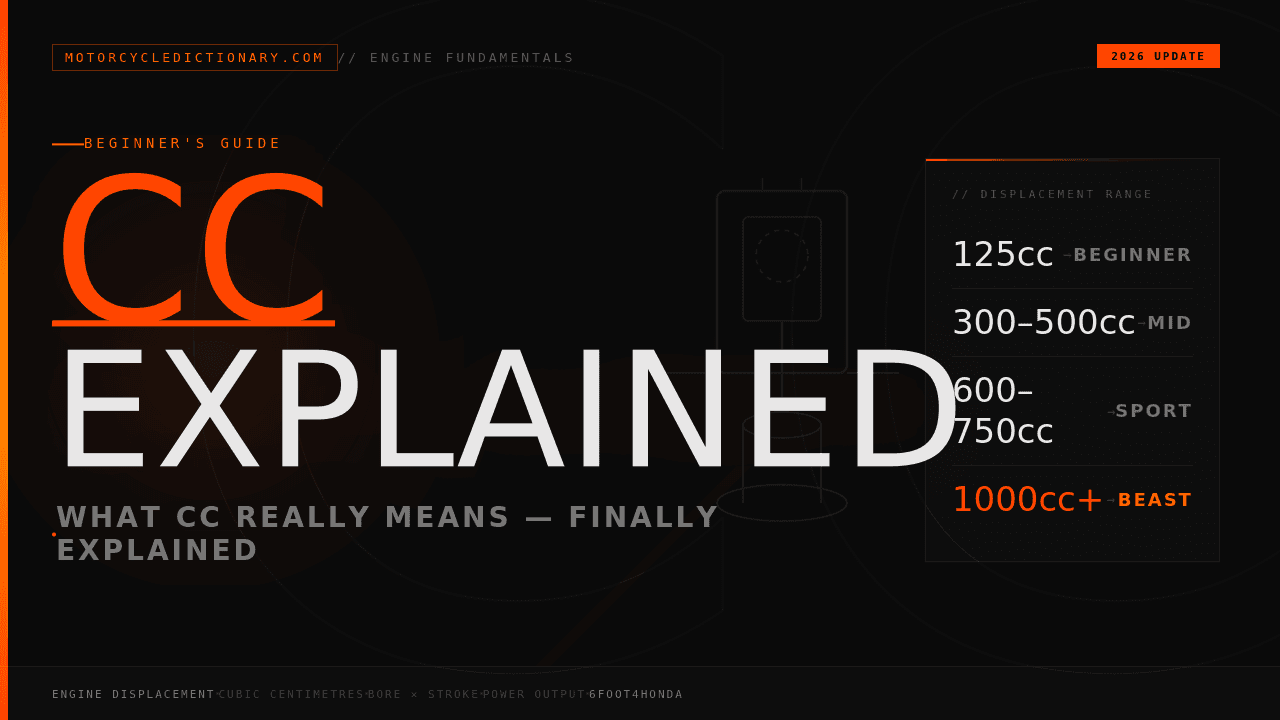
Motorcycle CC Explained (What It Means)
CC measures engine displacement, not speed. Here's what it actually means, why a 650cc cruiser feels nothing like a 650cc sportbike, and what CC to start on.
Is a Motorcycle Worth It? (Costs, Risks, Benefits)
A motorcycle is worth it if you budget $4,000-$8,000 for year one and understand the real risks. Honest breakdown from a rider with 1M+ subscribers.