This post may contain affiliate links. We only recommend gear we'd use ourselves. If you click a link and make a purchase, we may earn a small commission at no extra cost to you.
In This Article
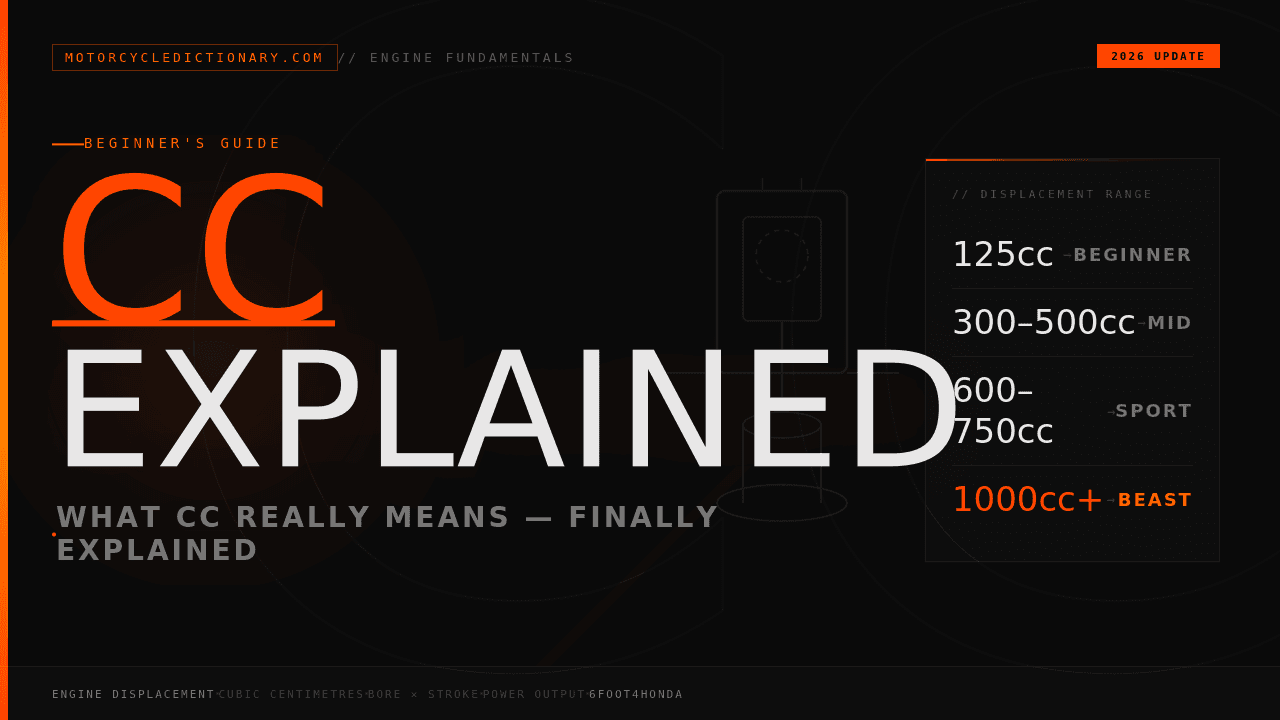
CC stands for cubic centimeters — it measures the total volume inside your engine's cylinders. A 600cc engine has 600 cubic centimeters of space where fuel and air mix, compress, and combust. More CC generally means more power potential, but it absolutely does not mean faster, harder to ride, or more dangerous. A 1,200cc Harley cruiser makes less horsepower than a 600cc supersport and costs less to insure. CC is one number — and it tells you way less than you think.
CC measures engine size, not speed or difficulty. A modern 300-500cc motorcycle is perfect for beginners, handles highways just fine, and won't limit you for years. The type of bike (cruiser, sport, naked) and engine configuration (single, twin, inline-four) matter more than the displacement number on the spec sheet.
All right so let me tell you something — when I first started riding back in 2013, I was absolutely convinced that CC was like a difficulty slider on a video game. Like 250cc was easy mode, 600cc was normal, and 1000cc was expert. That's how every forum post made it sound. "Don't get a 600, you'll die." "Start on a 250, anything bigger will kill you." Bro, I heard that so many times I was genuinely scared to sit on anything above a 300.
Then I actually started learning how engines work and realized the whole "CC = danger level" thing is one of the biggest myths in motorcycling. So let me break this down properly because I wish someone had explained this to me before I spent six months being terrified of bikes that are actually super chill to ride.
What Does CC Actually Mean on a Motorcycle?
CC stands for cubic centimeters. It measures the total displacement of your engine — the combined volume of all the cylinders. When a piston moves from the bottom to the top inside a cylinder, it sweeps through a certain amount of space. Add up all the cylinders and you get the total displacement.
Here's the actual formula if you're curious:
Displacement = (π/4) × Bore² × Stroke × Number of Cylinders
Let me break that down with a real example. Take a single-cylinder engine with a 70mm bore (the width of the cylinder) and a 60mm stroke (how far the piston travels up and down):
- (3.14159/4) × 70² × 60 = ~230,907 cubic mm = ~231cc
Now double that to a twin-cylinder and you get ~462cc. That's literally how a Ninja 400 gets its displacement — two cylinders working together.
You don't need to memorize this formula. The point is understanding that CC is just a volume measurement — like saying a water bottle holds 500ml. It tells you the size of the container, not how powerful the explosion inside it is.
Why Does the Same CC Feel Completely Different on Different Bikes?
This is the part that blew my mind when I first figured it out. A 650cc V-twin cruiser and a 650cc inline-four naked bike have the exact same displacement number. But ride them back to back and they feel like completely different machines. Here's why.
Cylinder Configuration Changes Everything
The number of cylinders and how they're arranged fundamentally changes how the engine delivers power:
Single-cylinder (thumper): One big piston doing all the work. Strong low-end torque, vibrates more at high RPM, simple and lightweight. Think Honda Rebel 300, KTM 390 Duke.
Parallel twin: Two cylinders side by side. Smooth power delivery, good balance of torque and revs. Think Kawasaki Ninja 500, Yamaha MT-07.
V-twin: Two cylinders in a V shape. Characterful power with a pulsing feel, strong mid-range torque. Think Harley-Davidson anything, Suzuki SV650.
Inline-four (I4): Four cylinders in a row. Screams at high RPM, insane top-end power, butter smooth. Think Kawasaki ZX-4R, Honda CBR1000RR.
Here's the part that really matters — check this out:
| Bike | Displacement | Engine Config | Horsepower |
|---|---|---|---|
| Kawasaki Ninja 400 | 399cc | Parallel twin | ~49 HP |
| Kawasaki ZX-4R | 399cc | Inline-four | ~77 HP |
Same displacement. The inline-four makes almost 60% more horsepower because four smaller cylinders can spin faster and breathe more efficiently than two larger ones. This is why CC alone tells you almost nothing about how a bike actually performs.
Oversquare vs Undersquare (Bore and Stroke)
All right I know this sounds technical but stick with me because this actually explains a ton about why bikes feel different.
Oversquare means the bore (cylinder width) is bigger than the stroke (piston travel distance). The piston doesn't have to travel as far, so it can move faster — which means the engine revs higher and makes more top-end horsepower. Sportbikes are almost all oversquare.
Undersquare means the stroke is bigger than the bore. The piston travels farther, creating more leverage — which means more low-end torque and better fuel efficiency. Cruisers and adventure bikes lean undersquare.
This is why a 1,200cc Harley Sportster feels like a lazy tractor that just pulls and pulls, while a 600cc supersport feels like it's trying to rip your arms off above 10,000 RPM. The Harley has massive pistons making slow, torquey power strokes. The sportbike has small pistons screaming at insane speeds.
Think of it like legs on a bicycle. Short legs spinning fast (oversquare) cover ground differently than long legs spinning slowly (undersquare). Same effort, completely different feel.
What Are the Main Motorcycle Engine Size Classes?
Let me walk through each CC class with actual bikes and real 2026 pricing so you know what you're looking at when you walk into a dealership.
250-300cc — The Training Wheels (That Are Actually Great)
These get a bad rap as "beginner bikes you'll outgrow in a month" but honestly? They're some of the most fun bikes on the planet for the money. Light, flickable, forgiving, and way faster than people think.
| Bike | Type | Engine | HP | MSRP |
|---|---|---|---|---|
| Honda Rebel 300 | Cruiser | 286cc single | ~27 HP | $4,999 |
| Honda CB300R | Naked | 286cc single | 31 HP | $5,149 |
| Kawasaki Ninja 300 | Sport | 296cc twin | ~39 HP | ~$5,299 |
| BMW G 310 R | Naked | 313cc single | ~34 HP | $4,995 |
| KTM 390 Duke | Naked | 373cc single | ~44 HP | $6,299 |
Real talk — a 300cc bike does 0-60 in about 5.5-6 seconds. That's faster than like 80% of the cars on the road. It'll cruise at 70 mph on the highway all day long. You won't be the fastest thing out there but you'll be having a blast. These bikes are cheap to insure ($200-500/year full coverage), cheap to maintain, and hold their resale value like crazy because there's always another beginner looking for one.
400-500cc — The Sweet Spot Nobody Talks About
This class has absolutely exploded in 2026 and it's honestly where I tell most beginners to look first. You get real highway passing power without the weight or insurance cost of a bigger bike.
| Bike | Type | Engine | HP | MSRP |
|---|---|---|---|---|
| Kawasaki Ninja 500 | Sport | 451cc twin | ~49 HP | $5,399-$5,599 |
| Kawasaki Ninja ZX-4R | Supersport | 399cc I4 | ~77 HP | $9,999 |
The Ninja 500 replaced the legendary Ninja 400 and it's a proper step up — more displacement, more low-end torque, still incredibly beginner-friendly. The ZX-4R though? That's a different animal entirely. Same 399cc displacement as the Ninja 400, but the inline-four configuration pushes it to 77 HP. That is NOT a beginner bike despite the "small" displacement number. See what I mean about CC being misleading?
650cc — The "Do Everything" Class
If I could only own one displacement class for the rest of my life, it'd be 650. These bikes commute, tour, canyon carve, and grow with you for years.
| Bike | Type | Engine | HP | MSRP |
|---|---|---|---|---|
| Kawasaki Ninja 650 | Sport-touring | 649cc twin | ~68 HP | ~$6,570 |
| Suzuki SV650 | Naked | 645cc V-twin | ~75 HP | $8,149 |
| Honda CB650R | Naked | 649cc I4 | ~94 HP | ~$9,790 |
| Yamaha MT-07 | Naked | 689cc twin | ~73 HP | $8,590 |
Look at those horsepower numbers. The Ninja 650 twin makes 68 HP. The CB650R inline-four makes 94 HP. Same displacement class. Thirty percent more power just from the engine configuration. The SV650 V-twin sits right in the middle and has been the gold standard "do everything" bike for like 20 years. I know guys who've had theirs for a decade and never felt the need to upgrade.
Oh by the way guys — Tina's been looking at the MT-07 for her next bike. She rode a Rebel 300 for her first year and the jump to 700cc sounds scary but honestly the MT-07 is one of the most forgiving middleweights out there. The parallel twin just delivers power so smoothly. But anyways.
1000cc+ — The Big Boys
This is where things get serious. We're talking 140-200+ horsepower, electronics packages that cost more than some beginner bikes, and insurance premiums that'll make your eyes water.
| Bike | Type | Engine | HP | MSRP |
|---|---|---|---|---|
| Kawasaki Ninja 1100SX | Sport-touring | 1,099cc I4 | ~140 HP | $14,000 |
| Honda CBR1000RR | Supersport | 999cc I4 | ~188 HP | $16,999 |
| Yamaha YZF-R1 | Supersport | 998cc I4 | ~200 HP | $18,999 |
Let me be real with you — nobody needs 200 horsepower on the street. Nobody. Not even close. These bikes exist because racing technology trickles down and because some people want the absolute pinnacle of motorcycle engineering. They're incredible machines. They're also genuinely dangerous in inexperienced hands because the throttle response is so immediate that a small wrist twitch at the wrong time can get ugly fast.
But here's the thing — a 1,000cc touring bike like a Honda Gold Wing? Completely manageable. Makes about 125 HP from a flat-six engine, weighs 800+ pounds, and is basically a two-wheeled La-Z-Boy. Same "1000cc+" displacement range, completely different experience.
Do not buy a liter-class supersport (R1, ZX-10R, CBR1000RR) as your first bike. This isn't gatekeeping — it's physics. These bikes go 0-60 in under 3 seconds and have power-to-weight ratios that exceed most supercars. Learn your fundamentals first. You'll enjoy the liter bike way more with a year of experience under your belt.
How Does CC Affect Insurance Costs?
This one is going to surprise a lot of people. You'd think bigger engine = higher insurance, right? It's way more complicated than that. The type of bike matters WAY more than the displacement.
| Category | Annual Cost (Full Coverage) |
|---|---|
| 250-300cc Standard/Cruiser | $200-$500 |
| 300-400cc Sport | $400-$800 |
| 600cc Cruiser/Standard | $500-$1,000 |
| 600cc Supersport (R6, CBR600RR) | $1,200-$2,500 |
| 1000cc Cruiser/Touring | $600-$1,200 |
| 1000cc Supersport (R1, ZX-10R) | $2,000-$3,000+ |
See that? A 1,000cc cruiser costs LESS to insure than a 600cc supersport. A Harley-Davidson Softail with a 1,750cc engine is cheaper to insure than a Yamaha R6 with 599cc. Why? Because insurance companies don't care about displacement — they care about crash statistics. Supersports get crashed more often, by younger riders, at higher speeds, in more expensive ways. The CC number on the engine is almost irrelevant to what you'll pay.
I'm not gonna lie, I learned this the hard way. When I was looking at insurance quotes for my first sportbike I was like "it's only a 600, it should be cheap." Bro. The quote was more per month than my car insurance. Meanwhile my buddy with a 900cc cruiser was paying like half what I was. That's when I realized this CC thing doesn't work how I thought it did.
For a deep dive on what actually affects your premium, check out our motorcycle insurance beginners guide.
What CC Should a Beginner Start On?
All right here's where the online arguments get spicy. Every forum has some dude screaming "START ON A 250 OR YOU'LL DIE" and then another dude saying "I started on a Hayabusa and I'm fine." Both of these people are wrong bro.
The real answer depends on three things:
1. Your size and strength. A 5'2" rider weighing 120 lbs has different needs than a 6'4" rider weighing 230 lbs. Bigger riders need more displacement to comfortably move bike + rider at highway speeds. I'm 6'4" so a 250cc bike felt like a go-kart to me — not unsafe, just a bit underpowered for my weight on the highway.
2. Your intended use. City commuting? 250-300cc is perfect. Daily highway riding? 400-650cc makes life easier. Weekend canyons only? Anywhere from 300-650 depending on experience. Track days? Don't worry about CC — get a proper track bike later.
3. Your self-control. This is the honest one nobody wants to talk about. If you know yourself and know you'll twist the throttle wide open every chance you get, start smaller. If you're disciplined and can respect the machine, a 500-650 is totally fine for a beginner in 2026. Modern electronics (ABS, traction control, ride modes) make these bikes way more forgiving than they were even five years ago.
Here's my actual recommendation:
| Rider Profile | Recommended CC | Example Bikes |
|---|---|---|
| New rider, city only | 250-300cc | Rebel 300, CB300R, Ninja 300 |
| New rider, some highway | 300-500cc | Ninja 500, Rebel 500, MT-03 |
| New rider, tall/heavy (200+ lbs) | 400-650cc | SV650, Ninja 650, Vulcan S |
| Returning rider (years off) | 400-650cc | MT-07, Ninja 650, SV650 |
The outdated advice of "250cc only" came from an era when 250cc bikes were genuinely gutless and 600cc bikes were untamed psychopaths with no electronic aids. Modern 300-500cc bikes are perfectly manageable for new riders, and modern 650cc twins are genuinely beginner-friendly with the right mindset. The MSF Basic RiderCourse teaches on 250cc bikes and that's a great place to start — but your first purchase doesn't have to stay at 250.
For a complete breakdown of specific bikes at every level, check our best beginner motorcycles guide.
Are There CC Restrictions for Motorcycle Licenses in the US?
Short answer — basically no. No US state imposes CC limits on a full Class M motorcycle license. Once you have your license, you can legally ride a 250cc Honda Rebel or a 300-horsepower Kawasaki H2R on the same license.
There are a few minor exceptions:
- 50cc threshold: Most states exempt mopeds and scooters under 50cc from requiring a motorcycle license. You usually just need a regular driver's license.
- Texas: Riders under 16 are limited to 250cc.
- Graduated licensing: About 15 states have some form of graduated motorcycle licensing, but it's mostly age-based restrictions (like requiring adult supervision for minors), not CC-based.
This is very different from countries like the UK and EU where there's a tiered system — you literally cannot ride above certain power limits until you pass additional tests. In the UK, an A2 license restricts you to 47 HP until you're 24 or hold the license for 2 years. Japan has even stricter tiers.
The US system basically says "here's your license, good luck." Which is both a freedom and a risk. Just because you CAN ride a liter bike on day one doesn't mean you should. The MSF course is available in all 50 states, often waives the riding portion of the licensing test, and typically gets you a 5-15% insurance discount. Take it.
For the full licensing process breakdown, see our how to get your motorcycle license guide.
What About Fuel Economy by CC?
Here's another myth to bust — bigger engine doesn't automatically mean worse gas mileage. A large displacement engine running at low RPM (like a 1,200cc cruiser loafing along at 3,000 RPM) can actually be more fuel-efficient than a small engine screaming at 8,000 RPM to maintain the same speed.
That said, here are some general ranges:
| Engine Size | Average MPG |
|---|---|
| 125-300cc | 65-85 MPG |
| 300-500cc | 50-70 MPG |
| 500-800cc | 40-55 MPG |
| 800-1200cc | 35-50 MPG |
| 1200cc+ (touring) | 30-45 MPG |
These vary wildly based on riding style, engine configuration, and gearing. A Ninja 400 rider who rides aggressively might get worse mileage than a Harley rider cruising at 2,800 RPM. The point is — don't let fuel economy be a deciding factor in your CC choice. Even the thirstiest motorcycle gets better mileage than most cars.
7 Myths About Motorcycle CC — Debunked
Let me hit these one by one because I hear every single one of these at least once a week in the comments.
Myth 1: "More CC = Faster" A Yamaha R6 (599cc) will absolutely destroy a Honda Gold Wing (1,833cc) in a drag race. The Gold Wing has triple the displacement and it's not even close. Power-to-weight ratio, engine configuration, and aerodynamics matter infinitely more than raw CC.
Myth 2: "Beginners Should Only Ride 250cc" Outdated. Modern 300-500cc bikes have refined fuel injection, ABS, traction control, and manageable power curves that make them perfectly safe for beginners. The 250-only advice came from an era of carbureted, ABS-less bikes with on/off throttle response.
Myth 3: "Higher CC = Worse Fuel Economy" A large displacement engine loafing at 3,000 RPM can beat a small engine screaming at 8,000 RPM. Engine tuning and riding style affect mileage more than raw displacement.
Myth 4: "CC Tells You Everything About a Bike" A Suzuki SV650 V-twin makes 75 HP. A Honda CB650R inline-four makes 94 HP. Same 650cc displacement class. Twenty-five percent more power from the same CC just because of four cylinders instead of two.
Myth 5: "You Need 1000cc for the Highway" A 300cc motorcycle cruises comfortably at 70 mph. It won't be the fastest thing merging onto the interstate, but it handles sustained highway speeds just fine. I've seen riders do multi-day tours on Rebel 300s. Not ideal, not impossible.
Myth 6: "CC Determines Insurance Cost" Type and style determine insurance cost. A 1,750cc Harley Softail costs less to insure than a 599cc Yamaha R6 because supersports have astronomically worse crash statistics.
Myth 7: "More CC = Harder to Ride" Power delivery matters more than displacement. A 900cc Kawasaki Vulcan cruiser with its lazy, torquey twin is easier to ride than a 400cc ZX-4R inline-four that comes alive at 10,000 RPM. The big cruiser is heavier, sure, but the actual riding experience is more forgiving.
How Does CC Relate to Horsepower and Torque?
Let me explain this simply because it confused the hell out of me for years.
Horsepower is how fast the engine can do work — it determines top speed and how quickly you accelerate at higher RPM. More horsepower = faster on the top end.
Torque is the rotational force the engine produces — it determines how hard the bike pulls from a stop or when you crack the throttle in the mid-range. More torque = more "shove" feeling.
CC contributes to both, but HOW the engine is designed determines the balance:
- Big bore, short stroke (oversquare): Favors horsepower. The engine revs high and makes peak power at the top of the rev range. Think sportbikes — they feel calm at low RPM and then scream to life at 8,000+.
- Small bore, long stroke (undersquare): Favors torque. The engine makes strong pulling power at low RPM. Think cruisers — they feel powerful and lazy, pulling hard from idle without needing to rev.
- Square (bore = stroke): Balanced between torque and HP. Many modern standards and adventure bikes use this approach.
A Harley Fat Boy makes 94 lb-ft of torque from a 1,868cc V-twin — it feels like getting shoved by a friendly giant. A Yamaha R1 makes 83 lb-ft of torque from a 998cc inline-four — but it also makes 200 HP because it does it at 13,000 RPM instead of 3,000. Same idea, completely different personality.
For a full breakdown of different motorcycle body styles and how engine choices relate to them, check out our motorcycle types explained guide.
All right guys that's the full breakdown on motorcycle CC. If you're shopping for your first bike and want specific model recommendations, check our best beginner motorcycles guide. If you want to understand the different body styles and what each one is built for, hit up our motorcycle types explained post. And if you're still figuring out the licensing process, we've got you covered with the how to get your motorcycle license walkthrough.
Ride safe out there. Let's go.
Frequently Asked Questions
Is 600cc too much for a beginner?
How fast does a 300cc motorcycle go?
Does CC affect motorcycle insurance?
What CC motorcycle should I get for highway riding?
What is the difference between CC and horsepower?
Can I start on a 650cc motorcycle?
Why are smaller CC bikes recommended for beginners?
Is a 1000cc motorcycle dangerous?
Written by
6FOOT4HONDAMotorcycle creator with 1.2M+ subscribers on YouTube and 2M+ across all platforms. Riding and filming since 2016, with 1,000+ videos covering beginner riding tips, gear reviews, stunts, and road trips. Every product recommended on this site has been personally tested on real rides — from highway touring to track days to stunt sessions. Based in the US, riding year-round.
Related Articles
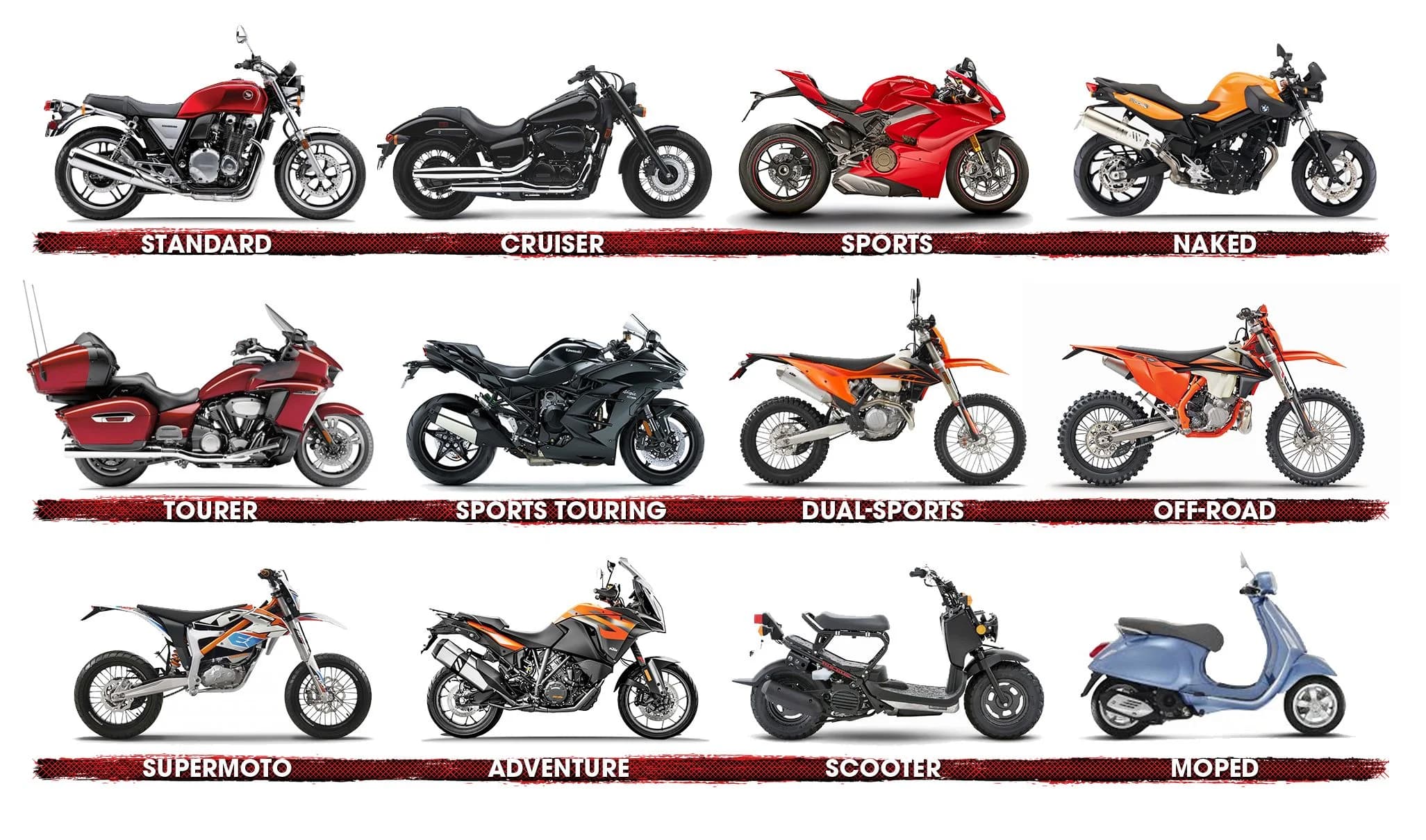
Every Type of Motorcycle Explained: The Complete Guide for Beginners (2026)
Sport bikes, cruisers, adventure bikes, touring, naked, dual-sport, cafe racers, and more — every motorcycle type explained with pros, cons, and who each one is best for.
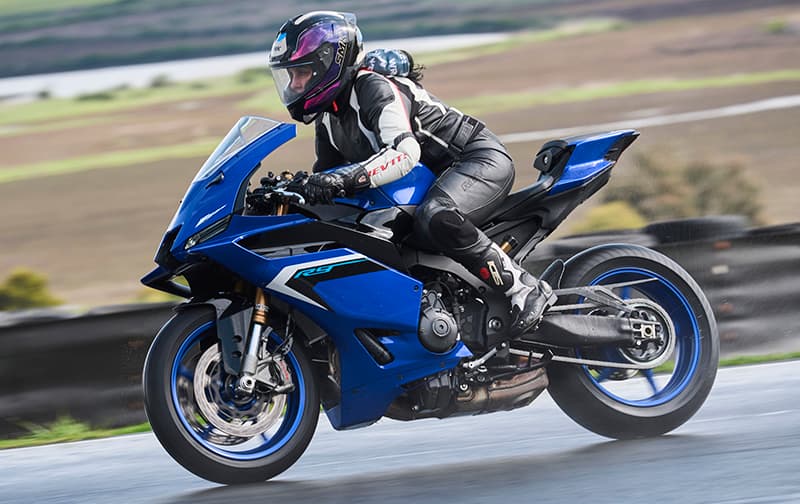
Best Motorcycles for Women 2026
14 bikes ranked by seat height, weight, and fit. Includes the inseam-to-seat chart nobody else has and the gatekeeping myths you need to ignore.
Is a Motorcycle Worth It? (Costs, Risks, Benefits)
A motorcycle is worth it if you budget $4,000-$8,000 for year one and understand the real risks. Honest breakdown from a rider with 1M+ subscribers.