How to Stop Your Motorcycle from Getting Stolen: The Layered Security Guide (2026)
By 6FOOT4HONDA · 13 min read · Mar 3, 2026 · Updated Mar 4, 2026
This post may contain affiliate links. We only recommend gear we'd use ourselves. If you click a link and make a purchase, we may earn a small commission at no extra cost to you.
In This Article
The best motorcycle anti-theft strategy uses layered security: a disc lock for every stop, a heavy chain through the frame locked to a ground anchor at home, an alarm to draw attention, a hidden GPS tracker for recovery, and comprehensive insurance as a financial backup. Over 46,000 motorcycles are stolen annually in the US.
A motorcycle weighs 400 lbs. Two people can lift it into a van in under 30 seconds. It doesn't need keys — they just roll it up a ramp. Your $10,000 bike is in the back of an unmarked van before your coffee gets cold.
Over 46,000 motorcycles are stolen every year in the US, according to the National Insurance Crime Bureau (NICB). The recovery rate? About 30%. Most stolen bikes are parted out within hours. By the time you file a police report, your forks are on eBay and your engine is in someone's garage.
The factory steering lock is a joke. A screwdriver and 10 seconds defeats it. The FBI's Uniform Crime Reporting data shows that motor vehicle theft — including motorcycles — remains one of the most common property crimes in the United States. If that's your only security, your bike is one opportunity away from being gone.
Real security is layered — multiple obstacles that make your bike harder and slower to steal than the one parked next to it. Thieves are opportunistic. They don't want a fight. They want the easy target. Don't be the easy target.
The Layered Security Approach
No single lock stops a determined, equipped thief. But layering multiple security measures creates a time problem — every additional obstacle adds seconds or minutes, and thieves can't afford to spend time in one place.
Layer 1: Visual Deterrent — Disc lock, visible chain. Tells the thief to move on before they even try.
Layer 2: Physical Barrier — Heavy chain through the frame, ground anchor. Requires tools and time to defeat.
Layer 3: Alarm — Audible alert that draws attention to the theft in progress.
Layer 4: Tracking — GPS tracker that lets you locate the bike after it's taken.
Layer 5: Insurance — Comprehensive coverage that pays out if everything else fails.
You don't need all five layers for every parking situation. But at home (where 50%+ of thefts happen), the more layers you have, the safer your bike is.
Layer 1: Disc Locks
The minimum security every rider should have. A disc lock clamps onto your brake rotor, preventing the wheel from rotating. It's small enough to carry in your jacket pocket or tail bag, and it takes 5 seconds to apply.
Kryptonite Keeper 5-S2 Disc Lock
Compact, Sold Secure rated, and built by the brand that makes New York City bicycle locks. 5mm hardened steel shackle resists bolt cutters and drills. Includes a reminder cable (so you don't ride off with the lock on — every rider does this once). Under $30.
How to use: Lock it on the front brake rotor, threading the locking pin through one of the rotor holes. The front wheel is preferred because it's harder to defeat (lifting the front of the bike with a locked front rotor is extremely difficult without dragging it).
ABUS Granit Detecto 8077 Alarm Disc Lock
A disc lock with a built-in 100 dB alarm that triggers if the bike is moved or vibrated. The alarm element adds Layer 1 (physical barrier) and Layer 3 (audible alert) in a single device. Hardened steel body, pick-resistant lock cylinder. Under $120.
Use the reminder cable. Every disc lock comes with an orange or yellow cable that loops from the lock to your handlebar. It's your visual reminder that the lock is on. Without it, you WILL try to ride off with the lock attached — at best, you drop the bike. At worst, you damage the rotor or caliper. Use the cable every time.
Disc Lock Limitations
A disc lock prevents riding the bike away, but it doesn't prevent lifting. Two people can still pick up the bike and put it in a van. Disc locks deter opportunistic theft (someone trying to ride it away), not organized theft (a crew with a van and ramps).
For that, you need something anchored.
Layer 2: Chains and Ground Anchors
A heavy chain through the frame, locked to an immovable object, is the strongest physical deterrent. It prevents the bike from being rolled, lifted, or loaded into a vehicle.
Kryptonite New York Fahgettaboudit Chain
14mm hardened manganese steel links that resist bolt cutters, saws, and hammers. The chain is overkill for most situations — and that's the point. Thread it through the frame (not the wheel — wheels are removable) and lock it to a ground anchor, post, or heavy fixed object. Available in multiple lengths.
Important: Chain through the FRAME, not the wheel. A wheel can be removed in minutes with a wrench. The frame cannot. Thread the chain through a non-removable part of the frame — typically the main frame rail behind the steering head or through the swingarm pivot area.
Ground Anchors
If you park in a garage or a designated parking spot, a ground anchor bolted into the concrete floor gives you a permanent attachment point for your chain.
Kryptonite Stronghold Ground Anchor
Bolts into concrete with included hardware. Hardened steel body that resists cutting and prying. Your chain locks to the anchor, and the anchor is part of the floor. Under $80 installed. This is the home security solution that makes organized theft impractical.
No garage? If you park in an apartment lot or on the street, chain the bike to a sturdy lamp post, metal railing, or concrete-filled bollard. Any immovable object works. If nothing is available, chain the front and rear wheels together through the frame — it doesn't anchor the bike, but it prevents rolling.
Layer 3: Alarms
An alarm doesn't stop a thief — it creates attention and pressure. A 100+ dB alarm screaming in a parking lot makes the thief's timeline critical. Every second of alarm noise increases their chance of being spotted.
Types:
- Disc lock with alarm (ABUS Granit Detecto, above) — Simplest combo. The alarm triggers when the lock detects vibration or movement.
- Dedicated motorcycle alarm system — Aftermarket systems with motion sensors, tilt sensors, and remote notification. Some connect to your phone via Bluetooth.
- Proximity alarm — Triggers when someone gets close to the bike, before they even touch it. High false-alarm rate in busy areas.
An alarm disc lock is the sweet spot for most riders. It combines physical deterrence (the lock) with audible deterrence (the alarm) in a single portable device. You carry it with you, so it protects the bike everywhere — not just at home.
Layer 4: GPS Trackers
If your bike IS stolen, a GPS tracker tells you (and the police) exactly where it is. Recovery rates jump from ~30% to over 80% with an active GPS tracker.
Apple AirTag (Hidden on Bike)
The budget GPS tracking option. Hide an AirTag somewhere on your bike — under the seat, inside a fairing, or in a frame cavity — and track it through the Find My network. It's not real-time GPS (it pings off nearby Apple devices), but in urban areas the network is dense enough for effective tracking. Under $30. No subscription.
AirTag limitations: AirTags don't have cellular GPS — they rely on nearby Apple devices to relay their location. In cities, this works well (there are iPhones everywhere). In rural areas, coverage is spotty. Also, modern iPhones alert users if an unknown AirTag is traveling with them — a thief with an iPhone may discover the AirTag.
Dedicated motorcycle GPS trackers (Monimoto, Datatool) use cellular GPS with their own SIM card for real-time tracking. They cost $100-$200 + $3-$5/month for the cellular service. They're harder to detect and provide more accurate, real-time location data.
Layer 5: Insurance
Comprehensive motorcycle insurance covers theft. If all your physical security measures fail, insurance is your financial backstop.
Make sure your policy includes:
- Comprehensive coverage (covers theft, vandalism, fire)
- Accessory coverage if you have aftermarket parts worth protecting
- Agreed value instead of actual cash value if possible (pays what you and the insurer agreed the bike is worth, not a depreciated estimate)
See our motorcycle insurance guide for coverage details.
Security by Situation
| Where You Park | Recommended Security |
|---|---|
| Home garage (closed) | Ground anchor + chain + cover. Minimum. |
| Home driveway/carport | Ground anchor + chain + cover + alarm disc lock |
| Apartment parking lot | Chain to fixed object + alarm disc lock + GPS tracker |
| Street parking (daily) | Alarm disc lock + cover |
| Quick stop (coffee, gas) | Disc lock (takes 5 seconds) |
| All day at work | Alarm disc lock + GPS tracker. Chain if a fixed object is available. |
| Long-term storage | Ground anchor + chain + cover + battery tender + alarm |
Habits That Prevent Theft
Security products are one half of the equation. The other half is behavior.
Always Use the Steering Lock
It takes a screwdriver to defeat, but it's one more obstacle. Turn the handlebars to full lock and engage it every time you park — even for 5 minutes.
Park Strategically
- In view of security cameras — Parking lots with visible CCTV deter thieves
- In well-lit areas — Darkness is a thief's best friend
- Near building entrances — More foot traffic = more witnesses
- Next to a bigger, nicer bike with less security — Sounds harsh, but thieves choose the easiest target
Use a Cover
A cover hides what you own. A thief can't covet a Ducati they can't see. A covered bike is less attractive because the thief doesn't know if it's a $15,000 sport bike or a $2,000 beater — and they can't tell what security is underneath without lifting the cover and drawing attention.
Don't Advertise
- Don't post your bike's parking location on social media
- Don't leave the key in the ignition "just for a second"
- Don't park in the same unmonitored spot at the same time every day — patterns make theft planning easy
The best anti-theft strategy costs $0: park where people can see the bike and use all the security measures you already have. A disc lock you leave at home protects nothing. A steering lock you forget to engage protects nothing. Make security a habit, not an afterthought.
What to Do If Your Bike Is Stolen
- Call the police immediately. File a report with the VIN, license plate, color, and any distinguishing features. Get the report number.
- Check your GPS tracker (if installed). Share the location with police — don't confront the thief yourself.
- Call your insurance company. File a theft claim with the police report number.
- Post on social media. Local motorcycle groups on Facebook and Reddit have recovered countless stolen bikes. Include photos, VIN, license plate, and the area where it was stolen.
- Check Craigslist, Facebook Marketplace, and OfferUp for your bike or its parts being sold. Thieves often list stolen bikes within 24-48 hours.
- Alert local motorcycle shops and salvage yards. Provide the VIN — if someone brings in your bike for parts or service, they'll flag it.
Every minute of security you add to your bike is a minute a thief doesn't want to spend. Make your bike the hardest target on the block, and they'll move on to the one with nothing but a steering lock.
Frequently Asked Questions
What is the best lock for a motorcycle?
The best single lock is an alarm disc lock like the ABUS Granit Detecto 8077, which combines a physical barrier with a 100 dB alarm. For home security, a heavy chain like the Kryptonite New York Fahgettaboudit through the frame locked to a ground anchor is the strongest option.
How do I keep my motorcycle from being stolen?
Use layered security - a disc lock for every stop, a heavy chain through the frame at home, an alarm to draw attention, a hidden GPS tracker for recovery, and comprehensive insurance as a financial backup. Park in well-lit areas near security cameras.
Do disc locks actually prevent motorcycle theft?
Disc locks prevent a thief from riding the bike away, which stops most opportunistic theft. However, they do not prevent two people from lifting the bike into a van. For complete protection, combine a disc lock with a chain anchored to an immovable object.
Are GPS trackers worth it for motorcycles?
Yes, GPS trackers significantly improve recovery rates from about 30% to over 80%. An Apple AirTag hidden on the bike costs under $30 with no subscription and works well in urban areas. Dedicated trackers like Monimoto offer real-time cellular GPS for $100-200 plus a small monthly fee.
Where do most motorcycle thefts happen?
Over 50% of motorcycle thefts happen at the owners home, including driveways, carports, and apartment parking lots. This is why home security measures like ground anchors, heavy chains, covers, and alarm systems are especially important.
Written by
6FOOT4HONDAMotorcycle creator with 1.2M+ subscribers on YouTube and 2M+ across all platforms. Riding and filming since 2016, with 1,000+ videos covering beginner riding tips, gear reviews, stunts, and road trips. Every product recommended on this site has been personally tested on real rides — from highway touring to track days to stunt sessions. Based in the US, riding year-round.
Related Articles
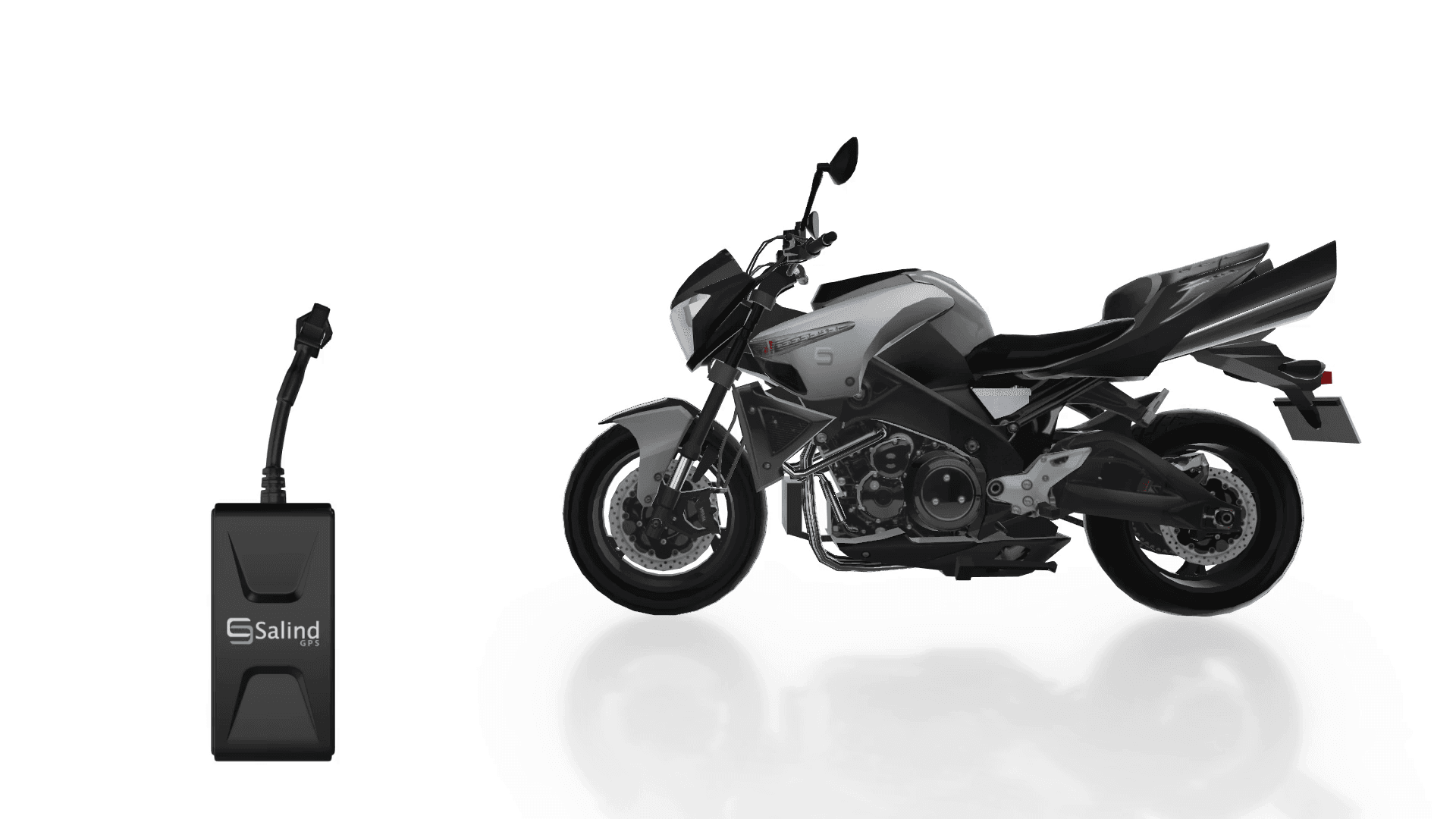
Best Motorcycle GPS Trackers (Real-Time Tracking, 2026)
The best motorcycle GPS trackers for real-time tracking and theft recovery. AirTags, Monimoto, SpyTec, and more — compared by tracking type, battery life, and subscription cost.
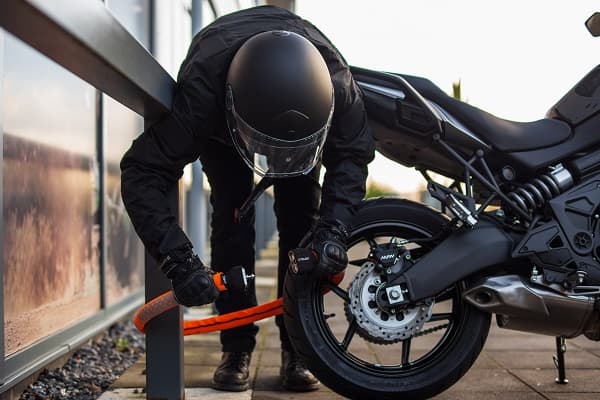
Best Motorcycle Locks (Tested & Ranked for 2026)
The best motorcycle locks compared and ranked — disc locks, chain locks, alarm locks, and budget picks. Real recommendations for every security level and budget.
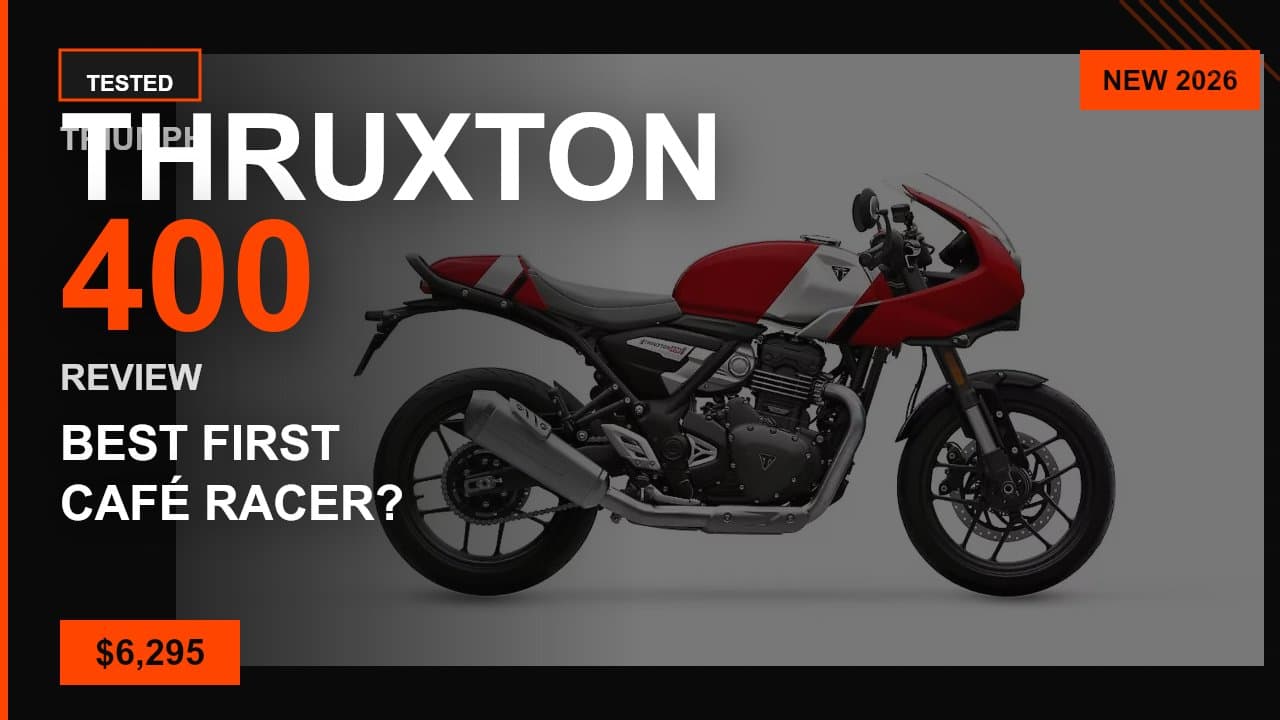
Triumph Thruxton 400 Review: Best First Café Racer? (2026)
I rode the new Thruxton 400 for a week. 398cc, clip-ons, rear-sets—can beginners actually start on a café racer? Honest answer inside.