What to Do After a Motorcycle Crash: The Complete Step-by-Step Guide
By 6FOOT4HONDA · 14 min read · Mar 3, 2026 · Updated Mar 4, 2026
This post may contain affiliate links. We only recommend gear we'd use ourselves. If you click a link and make a purchase, we may earn a small commission at no extra cost to you.
In This Article
After a motorcycle crash, check yourself for injuries before moving, get off the road to safety, call 911 for a police report, photograph everything (your bike, the other vehicle, road conditions, and injuries), exchange insurance information with the other driver, and seek medical attention within 24 hours even if you feel fine.
Nobody plans to crash. But if you ride long enough, the odds catch up — a car turns left in front of you, gravel appears mid-corner, or you lowside in the rain. NHTSA data shows over 80,000 motorcycle injuries occur annually in the U.S., and what you do in the 30 minutes after a crash can determine whether you spend weeks fighting an insurance claim or get through it cleanly.
Most search results for "what to do after a motorcycle crash" are written by personal injury lawyers trying to sign you as a client. This guide is written by a rider, for riders. No sales pitch — just the step-by-step process.
Immediate: The First 60 Seconds
1. Don't Move Yet
Your adrenaline is spiking. You feel fine. You might not be fine. Adrenaline masks pain — broken bones, internal injuries, and spinal damage can go unnoticed for minutes.
Before you stand up:
- Wiggle your fingers and toes. Can you feel them?
- Move your head slowly side to side. Any sharp pain or numbness?
- Take a breath. Does anything feel wrong in your chest or abdomen?
- Check for obvious injuries — blood, bones at wrong angles, road rash
If anything feels wrong — especially neck pain, numbness, or difficulty breathing — stay still and wait for EMS. Moving with a spinal injury can cause permanent damage.
2. Get Off the Road
If you can move safely, get yourself and your bike off the road and out of traffic. You don't want a secondary collision from a car hitting you or your downed bike.
- If the bike is too heavy or damaged to move, leave it and get yourself to the shoulder
- Turn on the bike's hazard lights if it has them (many modern bikes do)
- If you have a phone, turn on your phone's flashlight and wave it at approaching traffic
3. Call 911
Even for minor crashes, get a police report. You need it for insurance. You need it if the other driver was at fault. You need it if injuries show up later.
Tell dispatch:
- Your location (use your phone's GPS if you don't know the address)
- Whether anyone is injured
- Whether the road is blocked
- How many vehicles are involved
Always call 911 if another vehicle was involved. Even if both parties feel fine and the damage looks minor. Injuries can manifest hours or days later (concussions, soft tissue damage, internal bleeding). Without a police report, you have no documentation for an insurance claim or personal injury case.
At the Scene: Documentation
While waiting for police, document everything. Your phone is your most important tool right now.
Take Photos of Everything
- Your bike — every angle, close-ups of damage, where it ended up
- The other vehicle — all damage, license plate, overall position
- The road — skid marks, debris, road conditions, hazards that contributed
- Traffic signals and signs — were they working? What was the signal?
- Your injuries — road rash, visible bruises, torn gear
- Your gear — damaged helmet, torn jacket, broken gloves (this shows impact severity)
- Weather and lighting conditions — screenshot a weather app showing current conditions
Get Witness Information
If bystanders saw the crash:
- Name and phone number
- Ask if they'd be willing to provide a statement
- Ask if they have dashcam footage (many cars have dashcams)
Exchange Information With the Other Driver
Get these from the other party:
- Full name
- Phone number
- Insurance company and policy number
- Driver's license number
- License plate number
- Vehicle make, model, and color
Give them your information too. You're legally required to exchange info in every state.
Take a photo of their driver's license and insurance card. Faster and more accurate than writing it down. Also take a photo of their license plate — plates don't lie about who was driving.
What NOT to Do at the Scene
Don't Admit Fault
Don't say "I'm sorry" or "it was my fault" or "I didn't see you." Don't apologize. This can be used against you in an insurance claim or lawsuit.
What to say instead: "Are you okay?" and "Let's exchange information." That's it. Be polite but factual. Let the police and insurance companies determine fault.
Don't Negotiate at the Scene
The other driver might say "let's just handle this between us" or "I'll pay for the damage, no need to involve insurance." No. You don't know the full extent of damage to your bike (frame damage isn't visible), and injuries can appear days later. Always file through insurance.
Don't Remove Your Helmet
If you have any head, neck, or spine pain, leave your helmet on until EMS arrives. A helmet that's been in a crash is evidence of impact severity and protects your neck if you have a cervical spine injury. Paramedics know how to remove helmets safely.
Don't Ride the Bike Home
Even if the bike starts and "seems fine," crash damage can create hidden failures — bent forks that pull to one side, cracked frame welds, leaking brake lines, damaged wheel bearings. Get the bike trailered or towed to a shop for proper inspection.
After You Leave the Scene
Seek Medical Attention
Go to the ER or urgent care within 24 hours, even if you feel fine. Adrenaline fades. Concussions, hairline fractures, and soft tissue injuries commonly appear 12-48 hours after a crash.
A medical record from the day of (or day after) the crash creates a documented link between the crash and your injuries. If you wait two weeks and then go to the doctor, the insurance company will argue the injury wasn't from the crash.
File Your Insurance Claim
Call your insurance company within 24 hours. Have ready:
- Police report number
- Photos from the scene
- The other driver's information
- A summary of what happened (factual, no speculation)
If the other driver was at fault: File a claim against THEIR insurance (called a "third-party claim"). The Insurance Information Institute notes that about 1 in 8 U.S. drivers is uninsured, so also notify YOUR insurance — your uninsured/underinsured motorist coverage may apply if their coverage is insufficient.
If you were at fault: File against your own collision coverage (if you have it). If you only carry liability, your bike repair comes out of pocket.
Check our motorcycle insurance guide if you're unsure what your coverage includes.
Get a Damage Estimate
Take the bike to a motorcycle-specific shop — not a general auto body shop. Motorcycle damage assessment requires specialized knowledge (frame straightening, fork alignment, wheel truing).
Get a written estimate. If the repair cost exceeds about 75% of the bike's value, the insurance company will likely total it.
If the bike is totaled: The insurer offers you the Actual Cash Value (ACV). This is what your bike was worth before the crash, not what you paid for it. You can negotiate — provide links to similar bikes currently for sale in your area to justify a higher value.
Replace Your Helmet
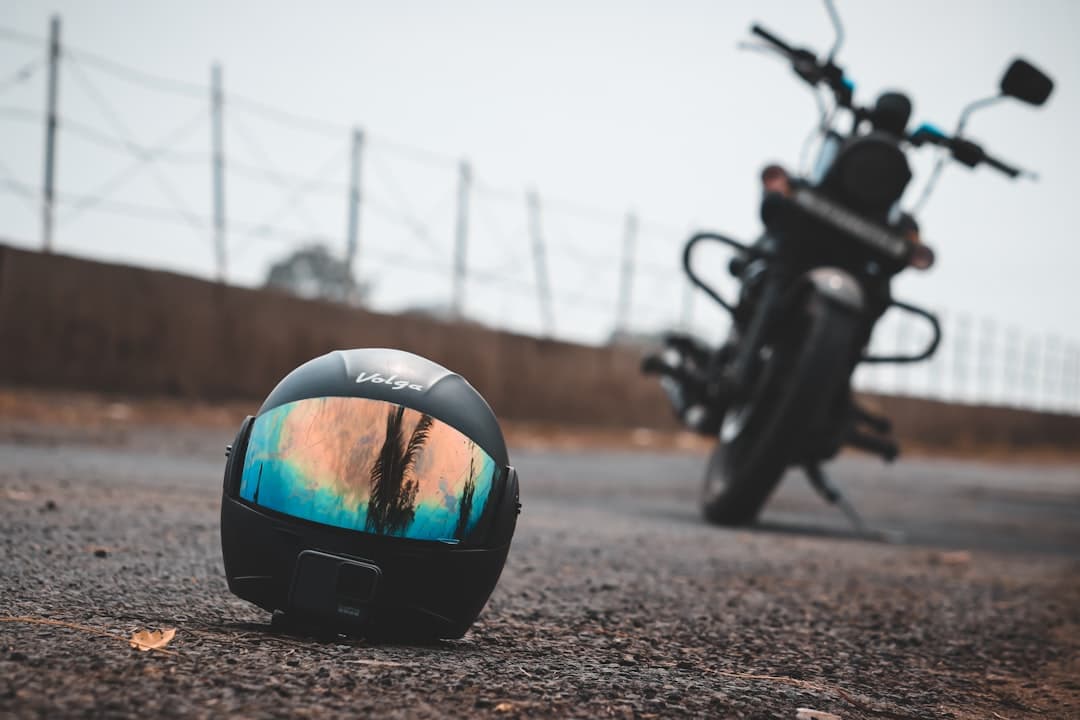
A helmet that has been in a crash must be replaced. Even if it looks fine externally, the EPS foam liner (the impact-absorbing layer) compresses on impact and loses its protective capability. Most manufacturers will inspect a crashed helmet for free. Many offer crash replacement discounts.
Check our helmet guide for replacements.
Dealing With Insurance Adjusters
The insurance adjuster works for the insurance company, not for you. Their job is to settle claims for as little as possible. Know this going in.
Tips for Dealing With Adjusters
- Stick to facts. Don't speculate about what caused the crash or describe your injuries as "not that bad."
- Don't give a recorded statement without preparation. You're not legally required to give one to the OTHER driver's insurance company. Your own insurer may require one per your policy — that's different.
- Don't accept the first offer. The first settlement offer is almost always lower than what the claim is worth. Counter with documentation — repair estimates, medical bills, comparable bike values.
- Keep records of everything. Every conversation, email, medical bill, repair estimate, and rental/transportation cost. Date and time everything.
- Know your deductible. You pay your deductible before insurance covers the rest. If your deductible is $500 and the repair is $3,000, you pay $500 and insurance pays $2,500.
If the other driver was clearly at fault and their insurance is lowballing you, consider consulting a motorcycle accident attorney. Most work on contingency (they take a percentage of the settlement, you pay nothing upfront). For minor crashes with small claims, handle it yourself. For serious injuries or disputed liability, legal help is worth it.
What About Lowsides and Solo Crashes?
Not every crash involves another vehicle. Lowsides, highsides, gravel, and target fixation into a guardrail are solo crashes — and they're actually the most common.
For solo crashes:
- You don't need a police report unless there's property damage to something other than your bike (guardrail, fence, sign)
- File against your own collision coverage (if you have it)
- Still get medical attention — road rash that "looks fine" can get infected fast
- Still replace your helmet
- Still get the bike inspected for hidden damage
Crash Recovery: Getting Back on the Bike
The physical injuries heal. The mental part takes longer. It's completely normal to feel anxious, hesitant, or scared about riding after a crash. Many experienced riders have gone through this.
What helps:
- Take your time. There's no deadline for getting back on the bike.
- Start small. Short rides in low-traffic, familiar areas. Parking lot practice if needed.
- Take a refresher course. The MSF has advanced courses that rebuild confidence in a controlled environment.
- Upgrade your gear. Better protection = more confidence. Consider an airbag vest for added security.
- Talk to other riders. Almost every experienced rider has crashed. Hearing their "I got back on" stories normalizes what you're feeling.
Crash Documentation Checklist
Save this to your phone for quick reference:
- Check yourself for injuries before moving
- Get off the road to safety
- Call 911
- Photos: your bike (all angles)
- Photos: other vehicle (all angles + plate)
- Photos: road conditions, skid marks, debris
- Photos: your injuries
- Photos: your damaged gear
- Get witness names + numbers
- Exchange info with other driver (photo their license + insurance card)
- DO NOT admit fault
- Get police report number
- Call your insurance within 24 hours
- See a doctor within 24 hours
- Take bike to motorcycle-specific shop for inspection
- Replace crashed helmet
Nobody wants to use this checklist. But if you need it, having it ready means you handle the worst moment of your riding life with clarity instead of panic.
Frequently Asked Questions
What should you do immediately after a motorcycle crash?
First, stay still and check yourself for injuries before moving. Wiggle your fingers and toes and check for neck pain or numbness. Once you confirm you can move safely, get off the road, call 911, and begin documenting the scene with photos.
Should I remove my helmet after a motorcycle accident?
Do not remove your helmet if you have any head, neck, or spine pain. The helmet protects your neck if you have a cervical spine injury, and it serves as evidence of impact severity. Wait for paramedics who know how to remove helmets safely.
Do I need a police report for a motorcycle accident?
Yes, always get a police report, especially if another vehicle was involved. You need it for insurance claims, to establish fault, and as documentation if injuries appear later. Even for seemingly minor crashes, a police report protects your legal and financial interests.
How long do I have to file a motorcycle insurance claim?
Contact your insurance company within 24 hours of the crash. Have your police report number, photos from the scene, and the other driver's information ready. Prompt reporting strengthens your claim and ensures nothing falls through the cracks.
Should I ride my motorcycle home after a minor crash?
No, do not ride the bike home even if it starts and seems fine. Crash damage can create hidden failures like bent forks, cracked frame welds, leaking brake lines, or damaged wheel bearings. Get the bike towed to a motorcycle-specific shop for proper inspection.
Written by
6FOOT4HONDAMotorcycle creator with 1.2M+ subscribers on YouTube and 2M+ across all platforms. Riding and filming since 2016, with 1,000+ videos covering beginner riding tips, gear reviews, stunts, and road trips. Every product recommended on this site has been personally tested on real rides — from highway touring to track days to stunt sessions. Based in the US, riding year-round.
Related Articles
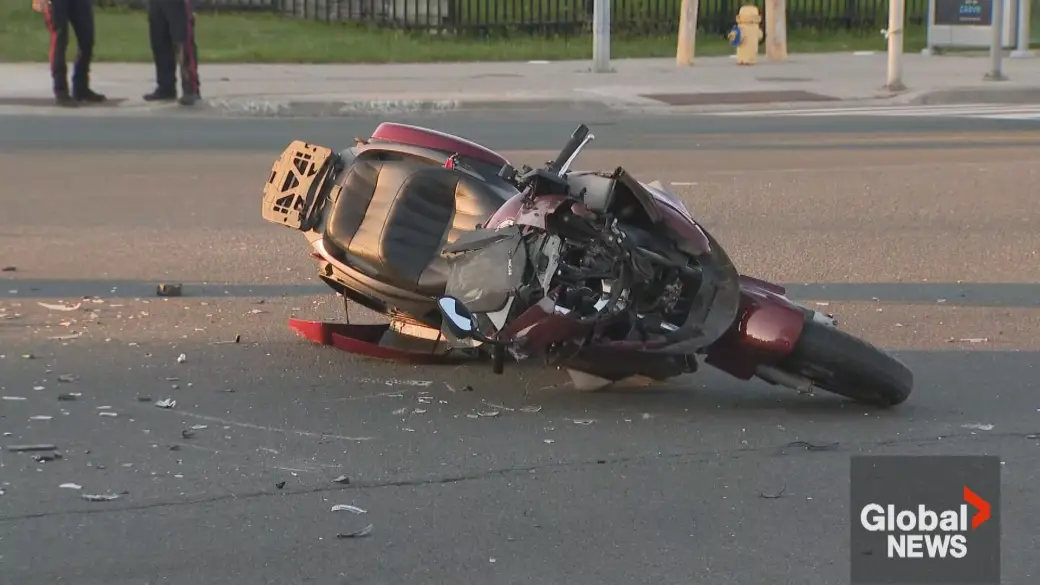
How Dangerous Are Motorcycles? (What the Data Actually Says)
The real motorcycle danger statistics — fatality rates, crash causes, helmet effectiveness, and what actually kills riders. Data from NHTSA and IIHS, explained without the fear-mongering.
How to Convince Your Parents (or Partner) to Let You Get a Motorcycle
How to convince your parents or partner to let you ride. Real data, proven strategies, and specific actions that actually change minds.
Best Motorcycles for Women 2026
14 bikes ranked by seat height, weight, and fit. Includes the inseam-to-seat chart nobody else has and the gatekeeping myths you need to ignore.