7 Best Beginner Motorcycle Helmets 2026 (Tested & Ranked)
By 6FOOT4HONDA · 15 min read · Jan 20, 2026 · Updated Mar 4, 2026
This post may contain affiliate links. We only recommend gear we'd use ourselves. If you click a link and make a purchase, we may earn a small commission at no extra cost to you.
In This Article
The best beginner motorcycle helmet is the Shoei RF-1400 ($500-600) for riders who want the best overall. For value, the HJC RPHA 11 ($350-450) delivers 90% of the performance at a lower price. On a tight budget, the HJC i71 ($150-250) is the lightest full-face helmet at 2.9 lbs with DOT + ECE dual certification. For commuters who want a flip-up, the Shoei Neotec 3 is the only modular certified in both open and closed positions.
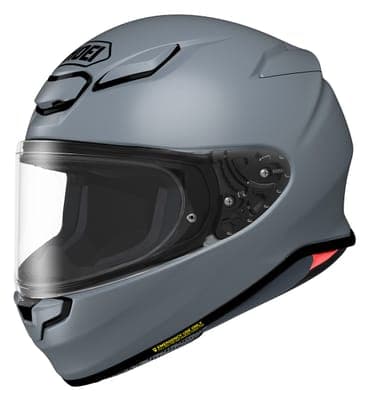
Shoei RF-1400
Best overall — incredible ventilation, low noise, fits most head shapes
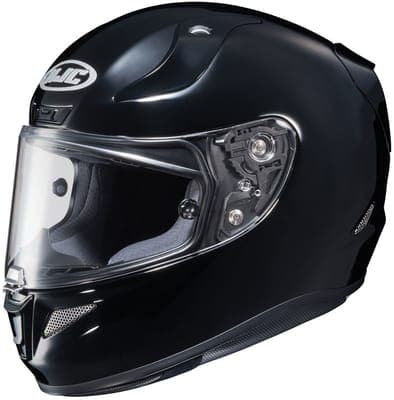
HJC RPHA 11
90% of the performance at 60% of the price
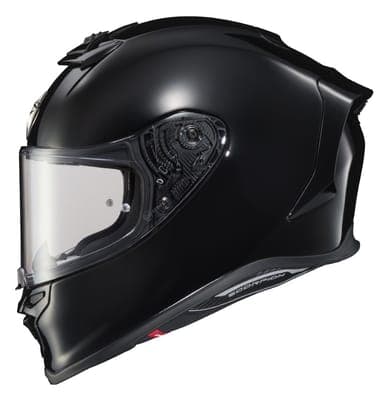
Scorpion EXO-R1 Air
DOT + ECE certified, aggressive ventilation, unbeatable value
Every helmet in this guide is full-face — the only safe choice for beginners, since 35-45% of all helmet impacts hit the chin bar area. A helmet is just one piece of the puzzle — our complete motorcycle gear buying guide covers everything else you need. This guide ranks 7 helmets for new riders across every price point, with a comparison table, sizing guide, and safety certification breakdown.
For beginners, a full-face helmet is the only safe choice — it protects your chin, which takes 35% of impacts in crashes. Budget $150-300 for a quality ECE/DOT-certified helmet from Shoei, HJC, or Scorpion.
What Should You Look For in Your First Motorcycle Helmet?
Before we get into specific picks, here's what actually matters:
Safety certification — At minimum, look for DOT certification (it's the legal requirement in the US under FMVSS 218). Better yet, look for ECE 22.06 certification, which is a more rigorous European standard. Helmets with both DOT and ECE are the sweet spot for street riders.
Fit — The most expensive helmet in the world is useless if it doesn't fit your head shape. Helmets come in different internal shapes: round oval, intermediate oval, and long oval. Try before you buy.
Full-face design — Always go full-face for your first helmet. Around 35-45% of all helmet impacts hit the chin bar area, according to the Dietmar Otte crash study. Half helmets and open-face helmets leave your face completely exposed.
Never buy a used helmet. You can't see internal damage from a previous impact, and the EPS foam degrades over time. Always buy new, and replace your helmet every 5 years or after any impact.
What Are the Best Beginner Motorcycle Helmets?
Best Overall for Beginners
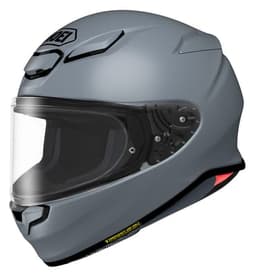
Shoei RF-1400
The gold standard for full-face helmets. Incredible ventilation, low noise, and a fit that works for most head shapes. It's an investment, but your head is worth it.
The Shoei RF-1400 (RF-SR successor) is the helmet most experienced riders eventually land on, and there's no reason a beginner can't start here. The ventilation is class-leading — critical when you're a new rider who tends to run hot from concentration. The noise levels are low (though you should still wear motorcycle ear plugs for hearing protection on every ride), the visor mechanism is smooth, and the build quality is outstanding.
It's pricier than budget options, but helmets are a buy-once-cry-once category. This helmet will last you 5+ years and protect you better than anything else in its class. For independent safety ratings on any helmet, check the UK government's SHARP helmet rating scheme.
Strengths
- Class-leading ventilation
- Low wind noise at highway speeds
- Excellent visor mechanism
- Fits most head shapes (intermediate oval)
Weaknesses
- Premium price point (~$500+)
- Limited graphics/color options compared to HJC
Best Value
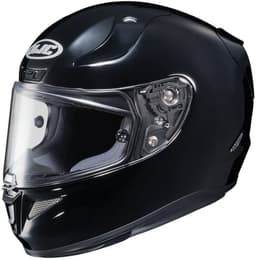
HJC RPHA 11
90% of the performance of premium helmets at 60% of the price. Excellent ventilation, lightweight shell, and superb fit.
HJC punches above its weight class consistently, and the RPHA 11 is their best work. It uses a premium composite shell (not polycarbonate like their budget models), has excellent airflow, and comes with a Pinlock-ready visor to prevent fogging.
If the Shoei feels like too much money for your first helmet, the RPHA 11 gives you nearly identical protection and comfort at a much friendlier price.
Best Budget Option
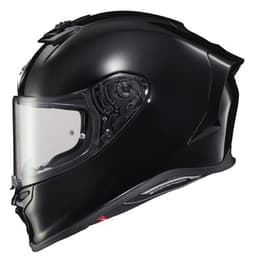
Scorpion EXO-R1 Air
Proof that safe doesn't have to mean expensive. DOT and ECE certified, aggressive ventilation, and a race-inspired shell at a budget price.
The Scorpion EXO-R1 Air is the helmet to get if you're on a tight budget but refuse to compromise on safety. It carries both DOT and ECE certifications, has an emergency quick-release cheek pad system (which paramedics appreciate), and ventilates better than most helmets twice its price.
The trade-offs are minor: it's slightly heavier than the Shoei or HJC, and the interior materials aren't quite as plush. But the protective shell is just as serious.
Best Modular / Flip-Up
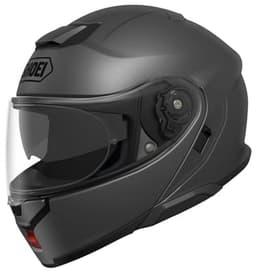
Shoei Neotec 3
The best flip-up helmet money can buy. Dual-certified, whisper-quiet, and packed with touring-friendly features.
If you're commuting or touring and want the flexibility of flipping up your chin bar at gas stations and drive-throughs, the Neotec 3 is the answer. It's one of the few modular helmets that's safety-certified in both the open and closed positions, so you're not sacrificing protection for convenience.
The Neotec 3 weighs about 3.9 lbs — heavier than a dedicated full-face, which is normal for modular designs. The extra weight comes from the hinge mechanism that allows the chin bar to flip up. If weight is a concern and you don't need the flip-up feature, stick with a standard full-face.
Best Under $200

Bell Qualifier DLX MIPS
The best helmet under $200. MIPS brain protection system, integrated transition visor, and a trusted brand — all for less than most entry-level options.
Bell has been making motorcycle helmets since 1954, and the Qualifier DLX MIPS is their strongest budget offering. The standout feature is MIPS (Multi-directional Impact Protection System) — a low-friction liner between your head and the EPS foam that reduces rotational forces during angled impacts. MIPS is normally found on helmets costing $300+, so getting it under $200 is a genuine value.
The integrated Transitions photochromic visor automatically darkens in sunlight and clears in low light, eliminating the need to carry a separate tinted visor or wear sunglasses under your helmet. For commuters and riders who transition between day and night, this is a quality-of-life upgrade you'll appreciate on every ride.
The trade-off is interior quality — the liner and cheek pads aren't as plush as the Shoei or HJC, and the ventilation is adequate but not exceptional. The shell is polycarbonate (not composite), which makes it slightly heavier. But for the price, the safety features punch well above the Qualifier's weight class.
Best Sporty Look

AGV K1 S
Lightweight, aggressive styling, and wind-tunnel-tested aerodynamics. A sport-oriented helmet from a brand that makes MotoGP-level gear, at a beginner-friendly price.
AGV makes Valentino Rossi's race helmets. The K1 S brings that racing DNA to an entry-level price point. The shell shape is wind-tunnel-tested for stability at speed — important if you're riding a sport bike and tucking behind the windscreen. At 3.1 lbs, it's one of the lightest helmets in this roundup, which reduces neck fatigue on longer rides.
The ventilation system uses 5 front vents and 2 rear extractors, and AGV's internal channels actually move air across your head instead of just letting it in through the front. On hot days, the difference between good and bad ventilation is the difference between enjoying a ride and counting the minutes until you can take your helmet off.
The K1 S comes in a huge range of graphics, which matters more than it should — but if your helmet looks good, you're more likely to actually wear it. DOT certified (ECE on European models). The visor isn't Pinlock-ready out of the box, which means you'll deal with fogging in cold or humid conditions unless you apply an anti-fog insert separately.
Best Lightweight
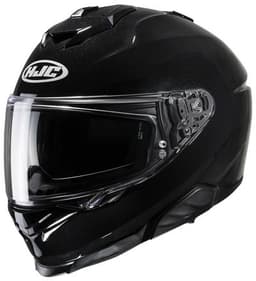
HJC i71
One of the lightest full-face helmets at any price. Advanced polycarbonate shell, superb ventilation, and Pinlock-ready visor included. Excellent for riders who want minimal neck strain.
The HJC i71 weighs just 2.9 lbs — lighter than helmets costing twice as much. That weight savings comes from HJC's advanced polycarbonate composite shell, which keeps the structure strong while cutting unnecessary bulk. If you've ever worn a heavy helmet for 2+ hours and felt your neck aching, you'll understand why weight matters.
Ventilation is a strong point. The i71 has a top vent, chin vent, and rear exhaust that actually create consistent airflow. The interior is moisture-wicking and fully removable for washing — something you'll appreciate after a few sweaty summer rides.
The visor is Pinlock-ready (Pinlock lens sold separately), which solves the fogging issue that plagues many helmets in this price range. The quick-release visor mechanism lets you swap between clear and tinted visors in seconds without tools. DOT and ECE 22.06 dual-certified.
The main compromise is noise — the i71 is louder than the Shoei RF-1400 at highway speed. Pair it with quality motorcycle earplugs and the noise is a non-issue.
How to Compare: All 7 Helmets at a Glance
| Helmet | Price Range | Weight | Safety | Visor | Best For |
|---|---|---|---|---|---|
| Shoei RF-1400 | $500-600 | 3.2 lbs | DOT + SNELL | Pinlock ready | Best overall, long-term investment |
| HJC RPHA 11 | $350-450 | 3.2 lbs | DOT + ECE | Pinlock ready | Best value composite shell |
| Scorpion EXO-R1 Air | $250-350 | 3.4 lbs | DOT + ECE | Pinlock ready | Best budget with full safety |
| Shoei Neotec 3 | $600-750 | 3.9 lbs | DOT + ECE | Pinlock included | Best modular for commuters |
| Bell Qualifier DLX MIPS | $150-200 | 3.5 lbs | DOT + MIPS | Transitions included | Best under $200 |
| AGV K1 S | $150-250 | 3.1 lbs | DOT | Standard | Best sporty look and aero |
| HJC i71 | $150-250 | 2.9 lbs | DOT + ECE | Pinlock ready | Best lightweight option |
Budget Tiers: What You Get at Each Price Point
Not all budgets are equal, and that's fine. Here's what you can realistically expect at each tier:
Under $200 (Bell Qualifier DLX MIPS, AGV K1 S, HJC i71) — You get solid DOT-certified protection, decent ventilation, and a polycarbonate shell. These helmets will protect you in a crash just as well as premium options — the safety certifications are the same. You sacrifice interior comfort, noise isolation, and build longevity. The liners wear out faster, the vents aren't as refined, and the visor mechanisms feel cheaper. For a new rider who might upgrade in 2-3 years anyway, this is the smart tier.
$250-450 (HJC RPHA 11, Scorpion EXO-R1 Air) — The sweet spot. Composite or fiberglass shells (lighter and stronger than polycarbonate), better ventilation engineering, Pinlock-ready visors, and interior materials that hold up over years of use. Dual DOT + ECE certification is standard. If you plan to ride seriously for 5+ years, start here.
$500+ (Shoei RF-1400, Shoei Neotec 3) — Premium everything. Class-leading ventilation, noise isolation, visor clarity, and build quality. These helmets feel like they'll last forever, and the comfort on a 4-hour ride versus a budget helmet is night and day. Worth it if motorcycling is a primary hobby, not a phase.
The real answer: Buy the best helmet you can afford. A $150 helmet worn on every ride is safer than a $600 helmet you leave at home because you're "saving it." If budget is tight, the HJC i71 or Bell Qualifier DLX MIPS are excellent starting points.
Helmet Sizing Guide
Getting the right size matters more than getting the right brand. A poorly fitting helmet is dangerous — it can shift during a crash, obstruct your vision, or create pressure points that distract you while riding.
How to Measure Your Head
- Wrap a soft tape measure around your head, just above your eyebrows and ears, at the widest point of your skull
- Measure in centimeters — this maps directly to helmet sizes
- Take 3 measurements and use the largest number
| Measurement | Helmet Size |
|---|---|
| 53-54 cm | XS |
| 55-56 cm | S |
| 57-58 cm | M |
| 59-60 cm | L |
| 61-62 cm | XL |
| 63-64 cm | XXL |
Head Shapes Matter
Helmets aren't just about circumference — they come in three internal shapes:
- Round oval — Equal width and length. Common in Arai helmets.
- Intermediate oval — Slightly longer front-to-back than side-to-side. The most common shape. Shoei, HJC, and Bell fit most intermediate oval heads well.
- Long oval — Noticeably longer front-to-back. Less common. AGV and some Scorpion models tend to accommodate long oval shapes.
If a helmet in your size creates pressure on the sides but feels loose at the front and back, you probably have a long oval head and need a different brand — not a bigger size.
The Fit Test
- Put the helmet on and fasten the chin strap
- Shake your head side to side and up and down — the helmet should move with your skin, not slide on it
- Try the roll-off test — grab the back of the helmet and try to roll it forward off your head. If it comes off, it's too big
- Check for pressure points — wear it for 15-20 minutes. Hot spots mean the shape doesn't match your head
- The break-in rule — a new helmet will loosen up about 15-20% as the liner breaks in. Buy it snug, not comfortable
Most gear shops will let you wear a helmet around the store for 15-20 minutes. Do this. A helmet that feels fine for 30 seconds can become painful after 10 minutes if the shape doesn't match your head.
Buying Online vs In-Store
In-store is always better for your first helmet — you can try multiple brands and shapes to find what fits your head. If you're buying online, order from retailers with free returns (RevZilla, Amazon) so you can exchange sizes without penalty. Order your measured size plus one size up and one size down, try all three, and return the two that don't fit.
Safety Certifications Explained
Helmet certification stickers aren't just marketing — they represent specific crash tests the helmet passed. Here's what each one means:
DOT (Department of Transportation) — The minimum legal requirement in the US under FMVSS 218. Tests for impact absorption, penetration resistance, and retention system strength. DOT is self-certified by manufacturers, which means the testing is on the honor system. Most reputable brands test honestly, but DOT alone is the lowest bar.
ECE 22.06 — The European standard, and significantly more rigorous than DOT. ECE helmets are tested by independent labs (not self-certified), and the 22.06 revision added rotational impact testing — which simulates the kind of angled impacts that cause traumatic brain injuries. Any helmet with ECE 22.06 has been through more comprehensive testing than DOT alone.
SNELL — A voluntary standard from the Snell Memorial Foundation. SNELL testing is the most aggressive — helmets are hit harder and tested against sharper impacts than DOT or ECE. Common on track-focused and premium helmets. The Shoei RF-1400 carries SNELL certification.
MIPS (Multi-directional Impact Protection System) — Not a certification, but a safety technology. A low-friction liner between your head and the EPS foam allows slight rotation during angled impacts, reducing rotational forces on the brain. Found in the Bell Qualifier DLX MIPS and increasingly common across brands.
The ideal helmet carries both DOT and ECE certification. If you can only check one, prioritize ECE 22.06 — the independent lab testing and rotational impact requirements make it the more reliable standard.
Common Beginner Helmet Mistakes
Buying based on looks alone — A helmet that looks amazing but doesn't fit your head shape is dangerous and uncomfortable. Fit first, style second.
Skipping the chin strap — Sounds obvious, but a surprising number of riders don't properly fasten their chin strap. An unfastened helmet comes off in a crash. Every time.
Buying the cheapest option possible — There's a floor for helmet quality. Below about $150, you start seeing compromises in shell construction and liner quality that matter in a crash. Budget-friendly doesn't mean bargain-bin.
Not replacing after a drop — If your helmet hits the ground at any speed — even falling off your seat — the EPS foam inside may be compromised. You can't see the damage. When in doubt, replace it.
Choosing a half helmet or open-face for your first helmet — Around 35-45% of all helmet impacts hit the chin bar area. A half helmet protects the top of your head and nothing else. An open-face leaves your entire face exposed. For your first helmet, always go full-face.
Buying used — You can't see internal EPS damage from a previous impact. A helmet that looks perfect on the outside may have compromised foam that won't absorb energy in a crash. Always buy new.
The Bottom Line
Buy the best helmet you can afford, make sure it fits your head, and always — always — wear it. A $300 helmet worn every ride is infinitely safer than an $800 helmet sitting on your shelf because it's uncomfortable.
For most beginners, the HJC i71 or Bell Qualifier DLX MIPS are the smart starting points under $200. If you can stretch to $300-450, the HJC RPHA 11 or Scorpion EXO-R1 Air offer composite shells and better long-term comfort. And if you want to buy once and not think about it for 5+ years, the Shoei RF-1400 is the helmet experienced riders consistently recommend.
Get fitted, get protected, and get riding. Once your helmet is sorted, round out your protection with the best beginner motorcycle boots and best beginner motorcycle gloves. For the full picture, our complete motorcycle gear buying guide covers everything from jackets to rain gear.
Frequently Asked Questions
How much should I spend on a beginner motorcycle helmet?
Plan to spend $150-300 for a quality beginner helmet. Below $150, you start seeing compromises in shell construction and liner quality. The HJC i71, Bell Qualifier DLX MIPS, and AGV K1 S are excellent in this range. The HJC RPHA 11 and Scorpion EXO-R1 Air are strong mid-range options.
What is the safest type of motorcycle helmet?
A full-face helmet is the safest type. Around 35-45% of all helmet impacts hit the chin bar area, which half helmets and open-face helmets leave completely exposed. Always choose full-face for your first helmet.
How do I know if a motorcycle helmet fits correctly?
A properly fitted helmet should feel snug but not painful. You should not be able to rotate it when shaking your head side to side. Try the roll-off test — grab the back and try to roll it forward off your head. If it comes off, it's too big. New helmets loosen about 15-20% as the liner breaks in, so buy it snug.
How often should you replace a motorcycle helmet?
Replace your motorcycle helmet every 5 years or immediately after any impact — even dropping it off your seat. The EPS foam inside degrades over time and may be compromised in ways you cannot see from the outside.
Is a modular helmet as safe as a full-face helmet?
Most modular helmets are only certified in the closed position, making them slightly less safe than a one-piece full-face. The Shoei Neotec 3 is one of the few modulars certified in both open and closed positions.
What is the difference between DOT and ECE helmet certification?
DOT is the US legal minimum and is self-certified by manufacturers. ECE 22.06 is the European standard tested by independent labs, with more rigorous requirements including rotational impact testing. A helmet with both DOT and ECE certification has passed the most comprehensive testing.
What is MIPS in a motorcycle helmet?
MIPS (Multi-directional Impact Protection System) is a safety technology that adds a low-friction liner inside the helmet. During angled impacts, this liner allows slight rotation to reduce rotational forces on the brain. It's found in helmets like the Bell Qualifier DLX MIPS.
Does head shape matter when choosing a motorcycle helmet?
Yes, head shape matters as much as size. Helmets come in round oval, intermediate oval, and long oval shapes. A helmet that fits your circumference but not your head shape will create pressure points and discomfort. Try multiple brands — Shoei and HJC fit intermediate oval, AGV tends toward long oval, and Arai fits round oval heads.
Written by
6FOOT4HONDAMotorcycle creator with 1.2M+ subscribers on YouTube and 2M+ across all platforms. Riding and filming since 2016, with 1,000+ videos covering beginner riding tips, gear reviews, stunts, and road trips. Every product recommended on this site has been personally tested on real rides — from highway touring to track days to stunt sessions. Based in the US, riding year-round.
Related Articles
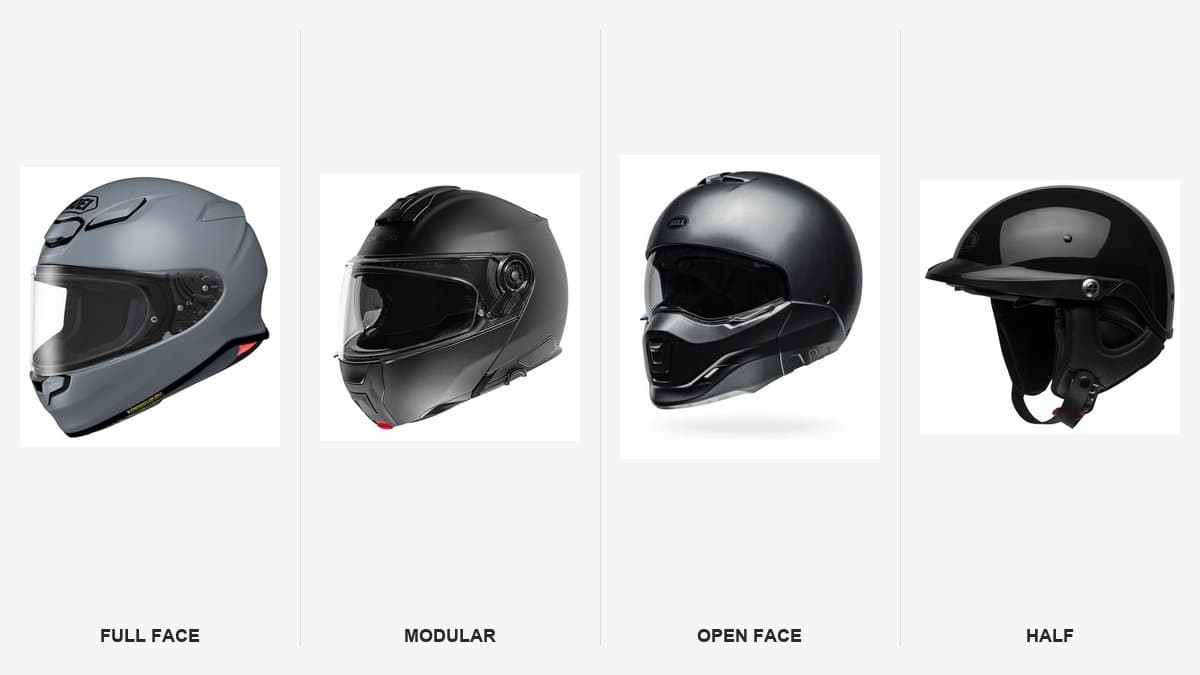
Full Face vs Modular vs Half Helmet 2026
I've worn all 4 helmet types. Full face wins for beginners — here's noise data, safety stats, and top picks.
Best Motorcycle Helmets Under $200 (Safety Tested, 2026)
You don't need to spend $500 for a safe helmet. These are the 7 best motorcycle helmets under $200 — Snell and ECE certified options that protect as well as helmets costing twice the price.
Motorcycle Gear Guide: Everything You Need to Ride Safe (2026)
The complete hub for every piece of motorcycle gear you need - helmets, jackets, gloves, boots, tech, and more. One page to find it all.