Motorcycle Safety Gear: The Must-Have Checklist
By 6FOOT4HONDA · 17 min read · Mar 3, 2026 · Updated Oct 31, 2026
This post may contain affiliate links. We only recommend gear we'd use ourselves. If you click a link and make a purchase, we may earn a small commission at no extra cost to you.
In This Article
The must-have motorcycle safety gear is a full-face helmet, armored gloves, an armored jacket, over-ankle boots, riding pants and earplugs, and if you're starting from zero the cheapest real setup is a ScorpionEXO R420 helmet (~$185), Alpinestars SMX-1 Air V2 gloves (~$76) and a REV'IT! Eclipse 2 jacket (~$190). Add Softvox earplugs (~$15) and you're covered on the big four for under $500. Boots and pants come next.
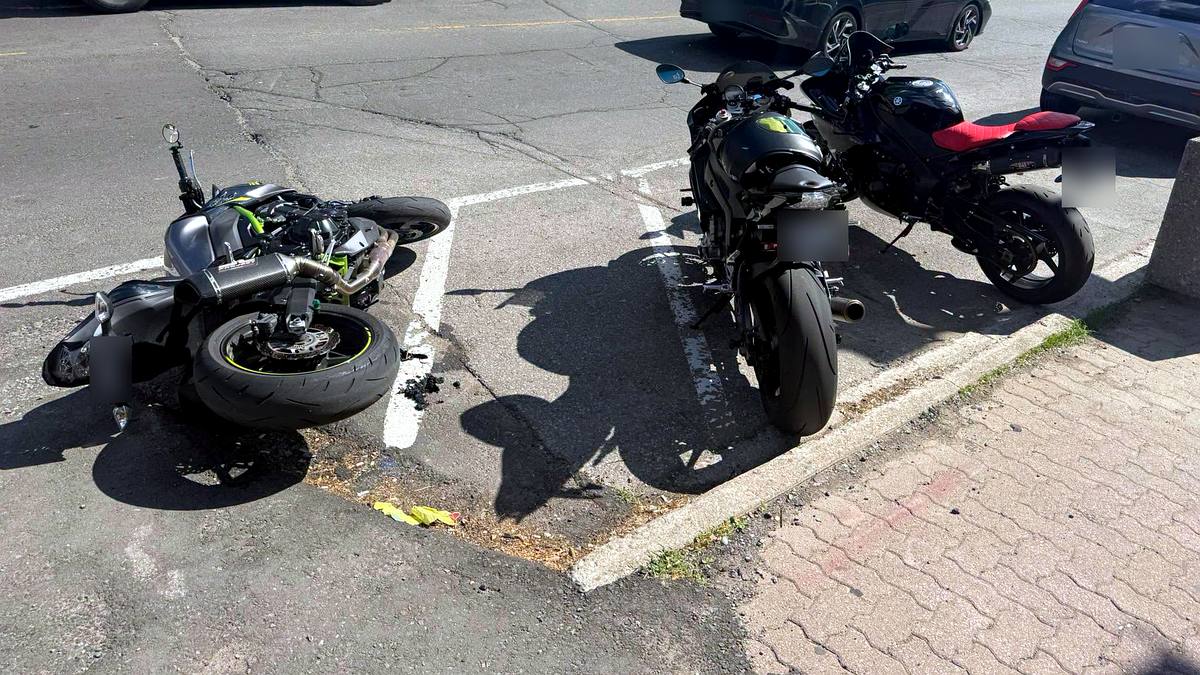
All right guys, so look at that photo up top. I came across that bike last month. A Kawasaki naked bike, just lying on its side in a parking spot, chilling next to two sportbikes that are standing up like nothing happened. I don't know the story. I'm not gonna pretend I do. But bro, I looked at that thing for a good minute and the only thing going through my head was "I hope whoever was on that had their gear on." That's it. That's the whole reason this page exists.
Because here's the thing. The bike can get fixed. Levers, a mirror, some scratches, whatever, you cop new parts and you're back out there. Your skin? Your hands? Your head? There's no parts catalogue for that, guys. There's no eBay listing for a new left knee.
So this is the page I wish someone sent me when I started riding back in 2013. Every piece of safety gear, in the order you should actually buy it, what to look for, what it costs, and links to the full guides for each one. Bookmark it. Send it to your buddy who just got his licence and is about to ride to Timmy's in a hoodie and sneakers. You know the one.
The must-have motorcycle safety gear is a full-face helmet (DOT plus ECE 22.06 or Snell), armored gloves, a jacket with CE armor, over-ankle riding boots, armored pants or riding jeans, and earplugs. Buy them in that order. A real starter kit like the one below costs about $470 for helmet, gloves, jacket and earplugs, or about $770 head to toe, and fit matters more than price on every single piece.
What Motorcycle Safety Gear Do You Actually Need?
Here's the whole list on one screen. If you only read one thing on this page, read this table, and then go buy the stuff in order from the top down.
| Priority | Gear | What to Look For | Budget Start | Full Guide |
|---|---|---|---|---|
| 1 | Full-face helmet | DOT plus ECE 22.06 or Snell, snug fit with no pressure points | ~$150 | Helmets |
| 2 | Gloves | Hard knuckle armor, palm sliders, wrist closure | ~$40 | Gloves |
| 3 | Jacket | CE armor in shoulders and elbows, back protector pocket | ~$150 | Jackets |
| 4 | Boots | Over the ankle, stiff sole, ankle protection | ~$80 | Boots |
| 5 | Pants or riding jeans | Abrasion lining plus knee and hip armor | ~$80 | Riding jeans |
| 6 | Earplugs | NRR or dB rating, fits under your helmet | ~$15 | Earplugs |
| 7 | Rain gear | Waterproof suit or shell that seals at the neck and wrists | ~$60 | Rain gear |
| 8 | Cold weather gear | Base layer, windproof shell, heated gloves | ~$100 | Winter gear |
Riding a lot or commuting in traffic? Add an airbag vest once the basics are sorted. Ladies, we have a dedicated guide to gear that actually fits women riders, because "just buy the men's small" is not a real answer.
Riders have a word for wearing all of this every single time: ATGATT. All the gear, all the time. And I'm not gonna sit here and act like I've been perfect about it my whole life. I've literally said "I'm really squidding it today, don't get mad at me guys" on camera. You can go find it. I'm not proud of it. But every year I ride, I care about this stuff more, not less.
Why Does Motorcycle Gear Matter So Much?
Dress for the slide, not the ride. That's the rule.
Every single time you swing a leg over the bike, even for a five-minute run to the gas station, you wear the gear. Because the five-minute run is exactly when it happens. You're relaxed, you're not thinking, you didn't bother with the jacket because it's "just around the corner." Bro. The corner doesn't care.
Road rash at city speeds can take skin off down to the meat. That's not me trying to scare you, that's just what asphalt does to a body sliding across it. Asphalt is basically a giant belt sander that doesn't turn off. And the numbers back it up. The NHTSA says motorcyclists are way more likely to die in a crash per mile travelled than people in cars, something like 20-plus times more likely depending on the year. There's no seatbelt. There's no airbag (unless you buy one, more on that later). There's no metal box around you. The gear IS the box.
The good news? Modern gear looks sick. It breathes, it's comfortable, and you don't need to remortgage the house. You can get properly covered head to toe for under 800 bucks if you shop smart, and I'll show you exactly how down below.
Never ride in gear that doesn't fit. A jacket that's too big lets the elbow armor slide away from your elbow right when you need it, and a loose helmet can shift or come off in a crash. Try stuff on, buy from places with easy returns, and don't size up "to grow into it."
Which Motorcycle Gear Should You Buy First?
Guys, this is the question I get the most. "6Foot, I've got 300 bucks, what do I buy?" And the answer is always the same order:
- Helmet. Always first. Not up for debate.
- Gloves. Your hands go out first when you fall. It's instinct, you can't stop it.
- Jacket. Shoulders, elbows, back. The stuff that hits the ground after your hands.
- Boots. Ankles get wrecked in crashes, and they also get wrecked when the bike tips over on you in a parking lot.
- Pants. Riding jeans or textile pants with knee and hip armor.
- Earplugs. Cheapest item on the list and the one most people skip.
If you can't buy everything at once, that's fine. It is what it is. Start at the top, ride less until you've got the basics, and add one piece every paycheque. What you don't do is skip the helmet to afford a nicer exhaust. I've seen it. Please don't be that guy.
Below are the exact budget-friendly picks I'd point a brand new rider to for each piece. These are the same products we cover in the category guides, so if you want more options at each price, every section links to the full breakdown.
What Is the Best Helmet for a New Rider on a Budget?
Your helmet is non-negotiable. It protects the one part of you that can't heal from a serious hit. Always go full-face. A big chunk of helmet impacts land on the chin bar area, roughly a third in the crash studies people quote, and half helmets and open-face helmets leave your whole face out there. Your jaw is not a bumper, bro.

ScorpionEXO R420
A full-face helmet that is DOT and Snell M2020 certified at a price that leaves money for the rest of your gear. Polycarbonate shell, a latching faceshield, and speaker pockets ready for a Bluetooth headset. It is heavier and a bit louder than premium helmets and has no drop-down sun visor, but the protection is certified and real.
Price: ~$140-185 depending on graphic and size | Certification: DOT + Snell M2020 | Shell: Polycarbonate | Extras: Bluetooth speaker pockets
Let me tell you why I like this as a starting point. Snell is a tough standard, and seeing it on a helmet at this price is hella reasonable. You get real protection without spending Shoei money on your very first lid, which matters because your first helmet is also where you figure out what shape your head is. Yeah, that's a thing. Some heads are round, some are long oval, and a helmet that fits one won't fit the other no matter what size it says on the label.
The trade-offs are real though, and I'm not gonna hide them. It's heavier than the fancy composite helmets, so on a long highway day your neck will feel it. It's louder at speed (which is another reason for earplugs, keep reading). And there's no internal sun visor, so grab a tinted shield or wear sunglasses on bright days.
Fit rules, quick version: snug all around with no hot spots, cheek pads pushing your cheeks up a bit, and when you grab the chin bar and try to rotate it, your skin should move with the helmet instead of the helmet sliding around your head. Look for DOT certification at the bare minimum. ECE 22.06 or Snell on top of that is better.
Want more choices, including the step-up helmets? Check the full best motorcycle helmets for beginners guide, the helmets under $200 list, and if you're still deciding on style, full-face vs modular vs half helmet.
What Gloves Should a Beginner Get?
Okay, gloves. Story time, and this one actually happened, it's on my channel. I once did a video comparing real three-to-four-hundred-dollar gloves against knockoff copies of the same brand, the cheap fake ones from some random website. I don't like buying fake stuff, I only did it for the video. And guys, the fake glove actually bruised me. Just wearing it. Imagine what it does in a crash. Do not buy fake gloves. I'll say it again. Do not buy fake gloves.

Alpinestars SMX-1 Air V2 Gloves
Short-cuff summer riding gloves from a real brand with a hard knuckle protector, reinforced palm and perforated leather and mesh so your hands do not cook on hot days. CE Level 1 rated, touchscreen-friendly fingertips and a hook-and-loop wrist closure. One of the most popular street gloves out there for a reason.
Price: ~$76 | Rating: CE Level 1 | Style: Short cuff, vented | Best for: Spring to fall street riding
Here's why gloves are number two on the list. When you go down, your hands shoot out to catch you. Every single time. You can't train it out of yourself. So your palms and your knuckles hit the ground first, and the bones in your hands are tiny and complicated and super annoying to fix.
What you want: hard knuckle armor, some kind of palm slider or reinforced palm so your hand slides instead of grabbing the pavement, and a wrist closure so the glove can't fly off. The SMX-1 Air V2 checks those boxes at a price that won't make you cry. Fitment is snug, so measure your hand before you order, some riders go up a size.
One thing to know: this is a short-cuff summer glove. If you ride fast, ride track days or ride in cold weather, you'll eventually want a gauntlet glove that goes over your jacket sleeve. All of that is in the full best motorcycle gloves guide.
What Kind of Motorcycle Jacket Should You Get First?
After the helmet and gloves, it's the jacket. It covers your shoulders, elbows, spine and the skin on your whole upper body. Leather, textile, mesh, everyone has opinions. For a first jacket I'd go textile or mesh with real CE armor, because it's cheaper than good leather, it breathes, and you can actually wear it in July without passing out.

REV'IT! Eclipse 2 Mesh Jacket
A lightweight mesh riding jacket with CE Level 1 SEESMART armor in the shoulders and elbows and a pocket ready for a CE Level 2 back protector. Abrasion-resistant 600D polyester panels, big mesh panels for airflow and a reflective logo on the back. A proper riding jacket that still looks normal off the bike.
Price: ~$190 | Armor: CE Level 1 shoulders and elbows | Back: Pocket for CE Level 2 insert (sold separately) | Best for: Warm weather, commuting
Guys, I'm gonna be real with you. Most people skip the jacket because it's hot. That's the number one excuse. "Bro it's 30 degrees out." Yeah, and that's exactly why mesh exists. Air goes right through it, the armor stays where it needs to be, and you're not sitting at a red light slowly turning into a rotisserie chicken.
Two things to do the second you get it. First, buy the back protector insert. The pocket is there, but the insert is usually extra, and an empty back pocket is just a pocket. Second, check the fit with your arms out in a riding position, not standing straight in a mirror. The elbow armor should sit on your elbow when you're reaching for the bars.
Now here's the Canadian part. A mesh jacket is perfect for summer, but our riding season starts cold and ends cold. In April and October you'll want a liner or a layer under it, or a full textile jacket. The jackets for beginners guide has warmer options and leather picks too.
Oh, by the way, totally random but this reminded me. Tina always says I dress like I'm going to Costco even when I'm going riding. Lawnmower shoes, dad shirt, the whole thing. Which is funny because I literally cut the grass in the same boots I ride in. Which brings me to...
Do You Really Need Motorcycle Boots?
Yes. All right, back on track, let me explain why, because "I'll just wear my work boots" is something I hear all the time.
Ankles get destroyed in bike crashes. They get twisted, crushed and ground down, and even a slow tip-over in a parking lot can pin your foot under a few hundred pounds of motorcycle. Real riding boots have a stiff sole so your foot doesn't fold, ankle protection on both sides, and a shift pad so you're not tearing up the top of your shoe every time you click into second.

Alpinestars SMX-1 R V2 Vented Boots
Short riding boots that are CE certified, with a lateral TPU ankle pad, heel counter, rear flex zone, shift pad and an aramid fiber strap over the top. Vented for summer and low enough to wear around all day. The easiest way to go from sneakers to a real riding boot without feeling like you strapped on ski boots.
Price: ~$220 | Rating: CE certified | Height: Short (over the ankle) | Colour: Black/Black (size 43 linked, pick your size on the page)
These are short boots, which is the sweet spot for a lot of new riders. They cover the ankle, they protect the ankle, and you can still walk into a restaurant without clomping around like a stormtrooper. If you ride sportbikes hard or plan on track days, you'll eventually want taller race boots, but for street riding this is a dope place to start.
Not into the sporty look? The full motorcycle boots for beginners guide has casual riding shoes, touring boots and cruiser boots. Whatever you pick, it has to cover the ankle. Sneakers don't count. Converse definitely don't count.
Are Riding Pants Worth It for a Beginner?
This is the one everybody skips. Helmet, jacket, gloves, and then... regular jeans. Guys, regular denim lasts about as long as a Timbit in my house on asphalt. It's gone in seconds. And your thighs, knees and hips are exactly what lands on the ground in a lowside crash.

HWK Textile Motorcycle Pants
Water-resistant Cordura textile riding pants with armor included and a removable liner, at a price that makes it hard to justify riding in plain jeans. Pull them on over regular pants for commuting. Not premium gear, but huge protection per dollar and one of the most popular riding pants on Amazon.
Price: ~$80 | Material: Water-resistant Cordura textile | Armor: Included | Size linked: 32W x 32L (other sizes on the page)
Are these the fanciest pants in the world? No. Are they a million times better than jeans? Yes. Bro, yes. Over-pants like these are perfect for commuters because you throw them on over your work pants and peel them off when you get there.
If you'd rather look like a normal human walking around, armored riding jeans are the move. They look like regular jeans but have an abrasion lining and pockets for knee and hip armor. We break down the best ones in armored riding jeans, and textile options are in motorcycle pants for beginners.
Do Motorcycle Riders Really Need Earplugs?
Okay this one catches everybody off guard. You think your helmet is quiet. It's not. Wind noise inside a helmet at highway speed sits right up in the range that damages hearing over time. The CDC's National Institute for Occupational Safety and Health says long exposure above 85 dB is where hearing loss starts, and highway wind is louder than that. Ride a whole season without plugs and you're slowly cooking your ears.

Softvox Motorcycle Earplugs
Reusable motorcycle-specific earplugs rated around 25dB that cut the wind roar but still let you hear traffic, sirens, your engine and your Bluetooth headset. Two pairs in the box plus a little carry case. Cheap, small and they last for years with basic cleaning.
Price: ~$15 | Rated: ~25dB reduction | Comes with: 2 pairs + case | Lasts: Years
Fifteen bucks, guys. Fifteen. That's like two coffees and a donut. And it's the difference between hearing your kids clearly when you're 50 and saying "what?" to everything. Pro tip from 6Foot: if your ears get itchy, just smash the throttle and the vibrations fix it. I'm kidding. Don't do that. Just wear the plugs.
People worry they won't hear traffic with earplugs in. It's actually the opposite. Plugs cut the wind roar, which is mostly low-frequency noise, so horns and sirens come through clearer. The earplugs guide compares foam, silicone and custom-molded options, and the hearing protection guide explains the dB stuff in plain English.
How Do These Starter Picks Compare?
Here's the whole starter kit side by side.
| Gear | Pick | Price | Protection | Full Guide |
|---|---|---|---|---|
| Helmet | ScorpionEXO R420 | ~$140-185 | DOT + Snell M2020 | Helmets |
| Gloves | Alpinestars SMX-1 Air V2 | ~$76 | CE Level 1, hard knuckle | Gloves |
| Jacket | REV'IT! Eclipse 2 | ~$190 | CE Level 1 shoulders + elbows | Jackets |
| Boots | Alpinestars SMX-1 R V2 Vented | ~$220 | CE certified short boot | Boots |
| Pants | HWK Textile Pants | ~$80 | Cordura + armor | Pants |
| Earplugs | Softvox | ~$15 | ~25dB | Earplugs |
| Total | ~$720-770 | Head to toe |
Prices move around every day, especially around Black Friday, so treat those as "roughly" and click through for today's number.
How Much Does a Full Motorcycle Gear Setup Cost?
Real talk, the price of gear freaks people out. A dealership will happily sell you a $900 helmet and a $1,200 leather suit and smile while you sign. You don't need that on day one. Here's how it actually breaks down.
Starter kit (about $470 for the big four, about $770 head to toe):
- Helmet: ~$140-185 (ScorpionEXO R420)
- Gloves: ~$76 (Alpinestars SMX-1 Air V2)
- Jacket: ~$190 (REV'IT! Eclipse 2) plus a back protector insert when you can
- Earplugs: ~$15 (Softvox)
- Boots: ~$220 (Alpinestars SMX-1 R V2)
- Pants: ~$80 (HWK textile)
Mid-range kit (around $1,000-1,500):
- Helmet: $300-500 (Shoei, AGV, HJC RPHA, Scorpion EXO-R1 Air)
- Gloves: $80-120 (gauntlet style, CE rated)
- Jacket: $250-400 (leather or premium textile)
- Pants: $150-200 (armored riding jeans)
- Boots: $150-200 (sport or touring)
- Earplugs: $25-50 (musician-grade or custom)
Premium kit (around $2,000-3,000+):
- Everything above, plus an airbag vest ($400-700), a Bluetooth headset ($100-400) and a camera setup.
Is 770 bucks a lot? Yeah, it's not nothing. But think about what one ambulance ride and a skin graft costs, especially if you're in the States. Then 770 starts to look hella cheap. And here's a trick: used bikes are a great way to save money. Used safety gear is not. Never buy a used helmet, you can't see damage inside the foam from a previous drop.
Buy your helmet and gloves first, then add one piece of gear every paycheque. Ride shorter, slower trips until you've got the jacket and boots. It's way better to wait three weeks for full gear than to ride three weeks without it.
What Else Should You Add After the Basics?
Once the six essentials are sorted, there's a whole second layer of stuff that makes riding safer, more comfortable, or just more fun.
Rain gear. Getting caught in the rain without a rain suit is miserable, and when you're cold and wet you make worse decisions. Our rain gear guide covers one-piece and two-piece suits that pack small enough to live under your seat.
Winter and cold weather gear. Guys in Canada we get like six months of riding if we're lucky, and the first and last month of that is freezing. Cold hands are dangerous hands, because numb fingers are slow on the brake lever. The winter riding gear guide walks through base layers, heated gloves and heated jacket liners.
Hi-viz. Drivers not seeing you is a huge part of why riders get hit. A hi-viz vest or a jacket with bright panels doesn't look the coolest, but it's cheap and it works, especially at dawn and dusk.
Airbag vest. Airbag tech for riders has come a long way. Tethered and electronic vests can inflate around your neck, chest and back in a crash, and racing series require them now. Not mandatory for everyone, but if you commute in heavy traffic, it's worth a look. Full breakdown in the airbag vests guide.
Ergonomics. Gear that bunches up or a riding position that cramps your hands gets old fast, and tired riders make mistakes. The ergonomics and fit guide shows how to dial in your bike and gear together.
Which Tech Accessories Actually Help With Safety?
These aren't armor, but a couple of them genuinely make you safer, and the rest make riding way more fun.
Bluetooth headset. GPS directions in your ear means your eyes stay on the road instead of on your phone. Full disclosure guys, I partner with Cardo, so if you go that route use code 6FOOT4. The Cardo Spirit is the budget way in, and the Cardo Packtalk Edge is the one for riding in a group or with your partner. Riding with Tina and actually talking to her instead of screaming at red lights? Banger. I break both brands down honestly in Cardo vs Sena.
Camera or dashcam. Footage is your best witness if someone hits you and then tells the insurance company a different story. 360 cameras like the Insta360 X5 (use code 6Foot4) let you mount once and pick the angle later. More in the Insta360 motorcycle guide and the dashcam guide.
Phone mount. If your phone is your GPS, mount it properly, and get a vibration dampener, because engine vibration can wreck the camera stabilization in newer phones. Our Quad Lock review covers every mount they make.
Oh and if you want the rest of our picks in one place, the gear page has everything sorted by category.
What Do Beginners Get Wrong About Motorcycle Gear?
I see the same mistakes every season. Let me save you the trouble.
Buying a helmet online without ever trying one on. You can buy online, that's fine, but try a few on at a shop first so you know your size and head shape in that brand.
Spending everything on the bike. You blow the whole budget on the bike and a loud exhaust, then ride in a hoodie. Bro. Budget for gear BEFORE you buy the bike. Our complete beginner's guide has the full cost breakdown.
Fakes and no-name "protective" gear. I already told you about my fake glove story. Counterfeit helmets that copy big brands are out there too, and they do not protect your head. If a price looks too good to be true, it is.
Thinking gear is only for highways. Most crashes happen close to home and at normal city speeds. A lowside at 40 km/h still rips jeans open.
Never replacing anything. Helmets get replaced after any real hit, and generally every five years or so. Armor gets tired, stitching wears out. If you ever do go down, our what to do after a crash guide covers checking your gear after.
And one more thing. Gear is half of it. Training is the other half. If you haven't taken an MSF course or your local equivalent, do it. In Ontario that's an M1 exit course, and most insurance companies give you a discount for it anyway.
Before you hit "buy," look at the full guide for that category. Each one links the picks above plus higher-end options, sizing tips and what to skip. This page is the map, the guides are the directions.
Ready to Gear Up?
All right guys, that's the list. Helmet, gloves, jacket, boots, pants, earplugs. In that order. Every ride. Every time. And every time you see a bike lying on its side in a parking lot like the one up top, I want you to think the same thing I did: I hope they had their gear on.
I love bikes. I freaking love bikes, bro. And I want you riding for a long, long time. So cop the gear, send this page to the new rider in your life, and I'll see you in the next one. Let's go.
Frequently Asked Questions
What is the most important piece of motorcycle safety gear?
The helmet is the most important piece of motorcycle safety gear by a wide margin. It protects your brain, which cannot recover from serious trauma the way a broken bone or road rash can. Always choose a full-face helmet, because a large share of impacts in crashes land on the chin bar area, and open-face or half helmets leave the face and jaw exposed. Look for DOT certification at minimum, and ideally ECE 22.06 or Snell certification as well, since those standards involve tougher testing. Fit matters as much as the rating: the helmet should feel snug everywhere with no pressure points, and it should not rotate on your head when you twist the chin bar. A well-fitting budget helmet like the ScorpionEXO R420 at around $140 to $185 protects you far better than an expensive helmet in the wrong size. Replace any helmet after a real impact, even if it looks fine on the outside.
How much should a beginner spend on motorcycle gear?
A beginner should plan to spend about $470 for the essential four pieces and about $750 to $800 for a full head-to-toe kit. A realistic starter setup is a ScorpionEXO R420 helmet at around $140 to $185, Alpinestars SMX-1 Air V2 gloves at about $76, a REV'IT! Eclipse 2 mesh jacket at about $190 and Softvox earplugs at roughly $15. Adding Alpinestars SMX-1 R V2 boots at around $220 and HWK textile pants at about $80 completes the kit. If you cannot afford everything at once, buy the helmet and gloves first, then add the jacket, boots and pants as your budget allows, and keep early rides short and slow until you are fully geared. A mid-range kit with premium brands runs about $1,000 to $1,500. Whatever your budget, it is smarter to buy a cheaper bike and proper gear than an expensive bike and no protection.
Do I need to wear motorcycle gear for short rides?
Yes, you need full motorcycle gear for short rides too. Many crashes happen close to home, on familiar roads, at ordinary city speeds, which is exactly when riders tend to relax and skip the jacket or gloves. Road rash at city speeds can remove skin down to the tissue underneath, and a simple low-speed slide can still break wrists, ankles and collarbones if nothing is protecting them. The ground does not care that you were only going to the gas station. A good habit is to keep your gear by the door or next to the bike so putting it on takes less than a minute. Riders call this ATGATT, which stands for all the gear, all the time, and the riders who follow it are the ones who walk away from minor crashes with scuffed gear instead of injuries. Treat every ride the same, whether it is five minutes or five hours.
Can I wear regular jeans and boots on a motorcycle?
Regular jeans and regular boots are much better than shorts and sneakers, but they are not real motorcycle protection. Standard denim tears through very quickly when it slides on asphalt, and it has no armor for the knees or hips, which are exactly what hits the ground in a lowside crash. Armored riding jeans look almost the same but add an abrasion-resistant lining and pockets for knee and hip armor, and textile over-pants like the HWK pants at around $80 can go right over your normal clothes. Work boots protect better than sneakers, but they usually lack ankle armor, a shift pad and a sole designed for the pegs, and laces can catch on the bike. A short riding boot like the Alpinestars SMX-1 R V2 covers the ankle with real protection while still being easy to walk in. If you only upgrade one, start with the boots, then the pants.
Is expensive motorcycle gear actually better than budget gear?
Expensive motorcycle gear is not automatically safer than budget gear. The most important factors are fit, certification and armor rating. A budget helmet with DOT and Snell certification that fits your head shape will protect you better than a premium helmet that is too loose. A mid-priced jacket with CE-rated armor that sits correctly on your shoulders and elbows protects well when you go down. Where premium gear really pulls ahead is comfort, weight, ventilation, waterproofing and durability over years of riding. A lighter helmet is easier on your neck on long days, quieter helmets reduce fatigue, and better jackets keep you dry in a storm. So the smart approach is to start with certified, well-fitting budget gear from real brands, then upgrade the pieces you use most once you know what you like. Avoid counterfeit and unrated no-name gear, because that is where cheap really does mean unsafe.
How often should motorcycle gear be replaced?
Motorcycle helmets should be replaced right away after any real impact, and most manufacturers recommend replacing them about every five years even without a crash, because the protective foam liner and padding break down with sweat, heat and age. Textile jackets and pants usually last three to five years of regular riding before the fabric, zippers and waterproofing wear out. Leather gear can last much longer if you clean and condition it. Gloves and boots should be replaced when the stitching opens up, the palm or sole wears thin, or the armor cracks or shifts out of place. Armor inserts themselves can be swapped separately in many jackets and pants, which is a cheap way to keep gear protective. After any crash, inspect every piece closely for abrasion holes, torn seams and damaged armor. If something took a serious hit, replace it rather than trusting it to protect you a second time.
What motorcycle gear do I need in Canada?
In Canada, the main piece of gear the law requires is an approved motorcycle helmet, but the weather means you need more than a typical summer kit. Start with the same essentials as anywhere else: a full-face helmet, armored gloves, an armored jacket, over-ankle boots, riding pants and earplugs. Then plan for the cold, because spring and fall riding in Canada can feel freezing at highway speed. A mesh jacket is great in July but needs a liner or warm layer underneath in April and October. Add a thermal base layer, a neck gaiter or balaclava, and eventually heated gloves or a heated jacket liner if you ride early and late in the season. Rain gear matters too, because weather changes fast. Check your province's helmet certification rules before buying, and if you are a new rider in Ontario, take an M1 exit course, which also tends to lower your insurance costs.
Written by
6FOOT4HONDAMotorcycle creator with 1.2M+ subscribers on YouTube and 2M+ across all platforms. Riding and filming since 2016, with 1,000+ videos covering beginner riding tips, gear reviews, stunts, and road trips. Every product recommended on this site has been personally tested on real rides — from highway touring to track days to stunt sessions. Based in the US, riding year-round.
Related Articles
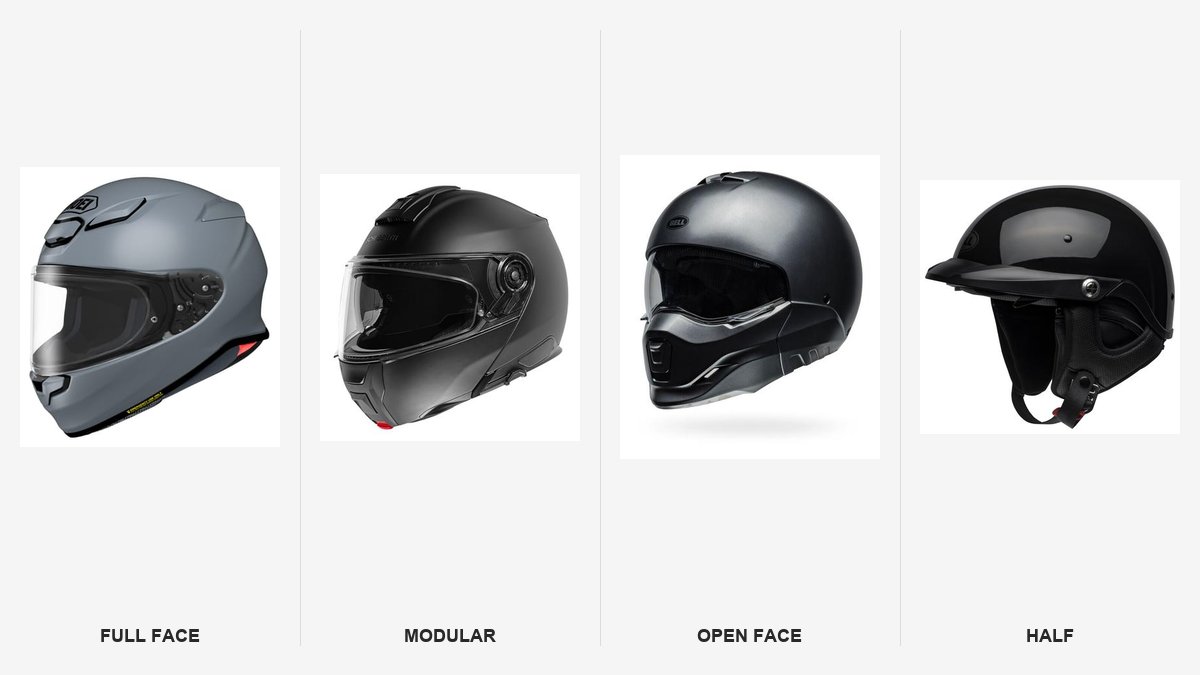
Full Face vs Modular vs Half Helmet 2026
I've worn all 4 helmet types. Full face wins for beginners — here's noise data, safety stats, and top picks.
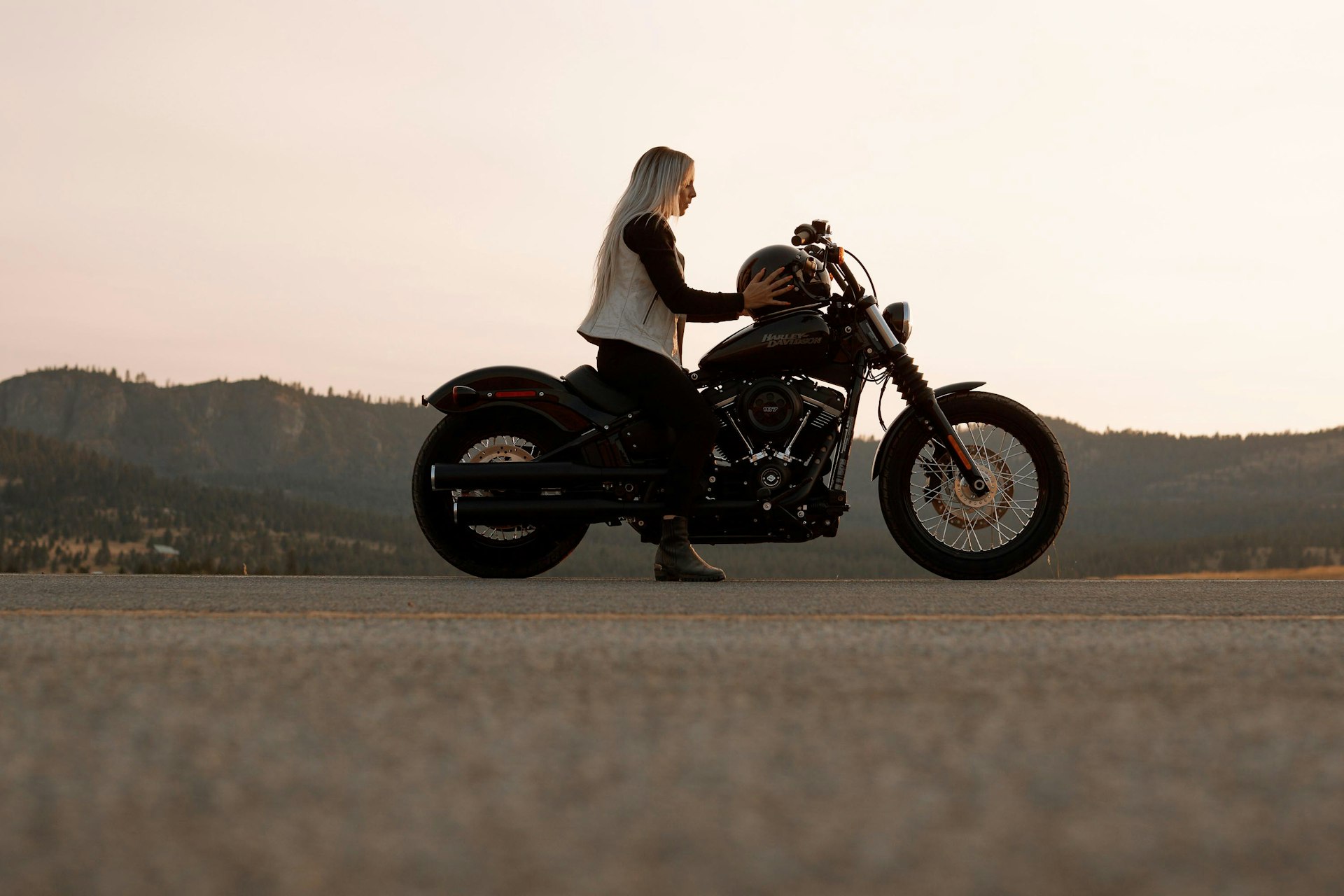
Best Motorcycle Helmets Under $200 (Safety Tested, 2026)
You don't need to spend $500 for a safe helmet. These are the 7 best motorcycle helmets under $200 — Snell and ECE certified options that protect as well as helmets costing twice the price.
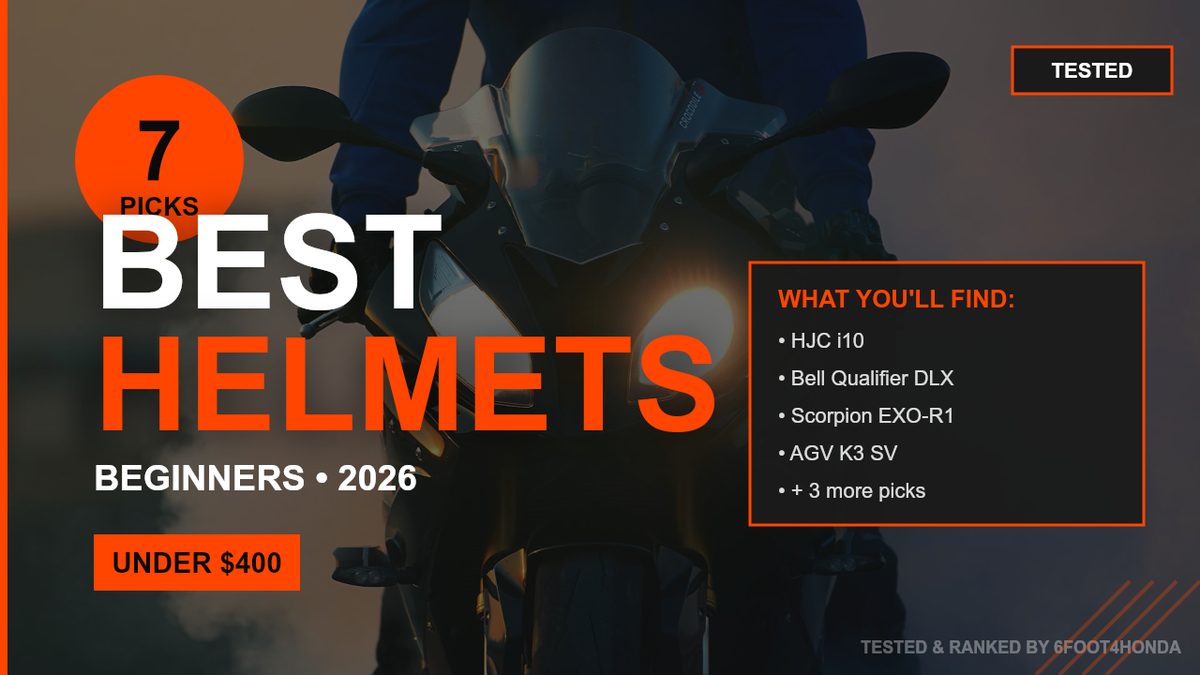
7 Best Beginner Motorcycle Helmets 2026 (Tested & Ranked)
We tested 7 helmets for new riders on fit, safety, and value. From the Shoei RF-1400 to budget picks under $200 — find the right helmet for you.