Motorcycle Ergonomics: How to Make Any Bike Fit Your Body (2026)
By 6FOOT4HONDA · 13 min read · Mar 3, 2026 · Updated Mar 4, 2026
This post may contain affiliate links. We only recommend gear we'd use ourselves. If you click a link and make a purchase, we may earn a small commission at no extra cost to you.
In This Article
To fix motorcycle ergonomics and make your bike fit your body, start with handlebar risers to reduce wrist pain, weighted bar ends to stop hand numbness, adjustable footpegs for proper leg angle, and a gel seat cushion or custom seat for long-ride comfort. Most ergonomic issues are solved with $30-200 in bolt-on adjustments.
Your bike hurts after 45 minutes. Your wrists ache, your lower back screams, your hands go numb, and your knees feel like they're crammed into a suitcase. You assume it's just what riding feels like.
It's not. Your bike doesn't fit you. And unlike a car where the seat adjusts in 6 directions, motorcycles come in one size and expect you to deal with it.
The fix isn't a different bike (though if you haven't bought yet, our best beginner motorcycles guide can help you pick one that fits from the start) — it's adjustments. Bar risers that bring the handlebars to you instead of forcing you to reach for them. Pegs that let your legs sit at a natural angle. A seat that supports your weight instead of creating pressure points. A windscreen that deflects air over your head instead of into your chest.
This guide covers every ergonomic adjustment for every riding position, so you can ride for hours without your body punishing you.
Understanding Riding Position
Every motorcycle puts you in one of three basic positions. Your discomfort symptoms tell you exactly what's wrong.
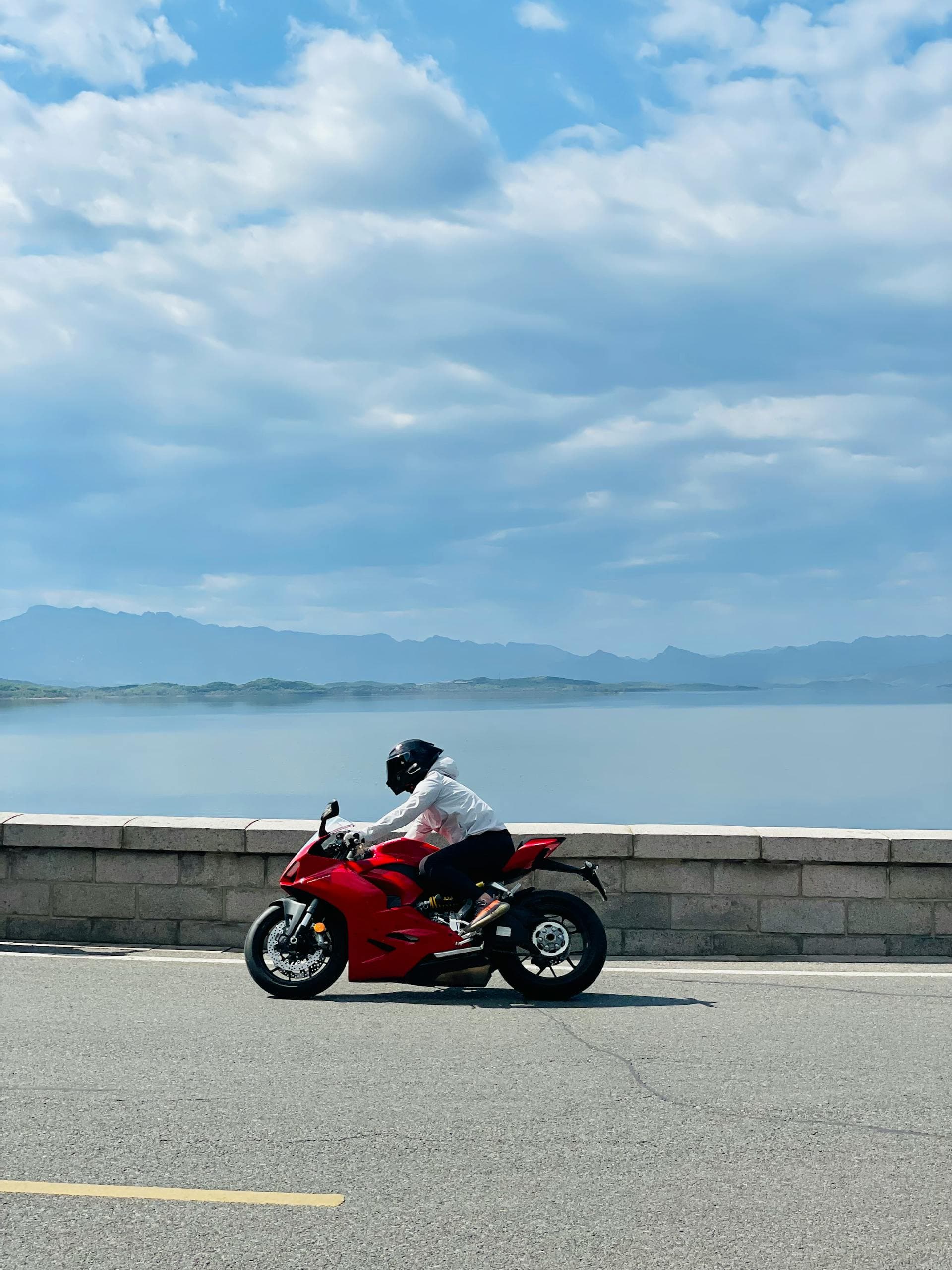
Sport Position (Ninja, R7, RS 457)
Clip-on handlebars below the triple clamp, rearset footpegs, and a forward lean that puts weight on your wrists. If you're still deciding between motorcycle types, know that riding position is one of the biggest factors in long-ride comfort.
Common complaints: Wrist pain, lower back pain, neck strain, numb hands.
Root cause: Your upper body weight is supported by your hands/wrists instead of your core and legs. The further you lean forward, the more weight transfers to your hands.
Standard/Naked Position (MT-07, Z650, Street Triple)
Handlebars roughly at clamp height, mid-mount pegs, upright torso. The most neutral position.
Common complaints: Usually manageable, but taller riders may feel cramped (knees bent too sharply), and shorter riders may struggle with seat height.
Cruiser Position (Rebel, Scout, Softail)
Low seat, forward-set pegs, pulled-back handlebars. Reclined position with arms extended.
Common complaints: Lower back pain (no lumbar support), hip fatigue from forward pegs, shoulder tension from reaching for bars.
Use Cycle-Ergo.com before buying a bike or making adjustments. Enter your height and inseam, select the motorcycle, and it shows you a stick-figure visualization of your body position on that bike. Free, instantly useful, and helps you identify problem areas before spending money.
Handlebar Adjustments
Bar Risers
What they do: Raise the handlebars by 1-3 inches, bringing them closer to your body. This shifts weight from your wrists back to your core.
Who needs them: Riders with wrist pain, tall riders on sportbikes or standards who feel like they're reaching too far forward, anyone who wants a more upright position.
Handlebar Risers (Universal)
Bolt-on risers that fit between your handlebars and triple clamp. Most universal risers fit 7/8-inch or 1-1/8-inch bars. Raise the bars 1-2 inches for dramatically more comfortable reach. Under $30 and install in 15 minutes with basic tools. The single best comfort mod for sport and standard bikes.
Important: When you raise the bars, check that all cables and brake lines still have enough slack. Raising the bars 2 inches pulls cables tighter. If any cable feels tight at full steering lock (handlebars turned all the way left or right), you need extended cables before riding.
Bar Ends / Weighted Bar Ends
Heavy bar ends reduce vibration that causes hand numbness (tingling fingers, numb palms). If your hands go numb after 20-30 minutes of riding, vibration is the likely culprit.
Heavy Bar End Weights
Weighted bar ends dampen handlebar vibration by absorbing high-frequency buzz before it reaches your hands. Heavier = more damping. A pair of quality weighted bar ends runs $20-$50 and makes a noticeable difference on high-revving twins and singles.
Grip Style and Thickness
Thicker grips reduce the force needed to grip the bars, which reduces hand fatigue and numbness. If you have large hands, stock grips are probably too thin.
Foam grip covers ($10-15) slip over your existing grips and add 2-3mm of cushioned diameter. A cheap, reversible way to test if thicker grips help.
Footpeg Adjustments
Adjustable Rearsets (Sport and Standard Bikes)
Aftermarket rearsets let you move the footpegs up, down, forward, or backward — typically in 5-15mm increments. This lets you fine-tune your knee bend angle and thigh-to-torso angle.
If your knees are cramped: Move pegs down and/or forward to open up the knee angle.
If your legs feel extended: Move pegs up and/or backward to bring your feet closer to your body.
Cost: $100-$400 depending on brand and material (aluminum vs. CNC billet).
Highway Pegs (Cruisers and Tourers)
Forward-mounted auxiliary pegs that let you stretch your legs on long highway rides. They bolt to the crash bars or frame and give you a second leg position to alternate with the stock pegs.
Highway Peg Crash Bar Mounts
Bolt-on highway pegs that clamp to your engine guard or crash bars. Stretch your legs forward on long rides to relieve hip and knee fatigue. Quick release lets you fold them out of the way when not in use. Under $50 for a universal clamp-on set.
Seat Modifications
The stock seat on most motorcycles is adequate for 30-60 minutes. Beyond that, it starts to create pressure points that cause numbness, pain, and the constant need to shift your weight.
Seat Pad / Gel Cushion
The cheapest fix. A gel or air cushion sits on top of your stock seat and distributes pressure more evenly.
AirHawk Motorcycle Seat Cushion
Air cell technology distributes your weight evenly, eliminating pressure points that cause numbness. Inflatable cells let you adjust firmness. Fits most motorcycle seats with included straps. The most recommended seat comfort product in the touring community. Various sizes for different seat widths.
Custom Seat
For the best long-term solution, a custom-shaped seat from companies like Sargent, Corbin, or Seat Concepts replaces your stock seat with one built for comfort and proper support. They reshape the foam to fit your body type, add gel inserts, and cover it in grip-friendly material.
Cost: $250-$600 depending on the brand and customization level. Worth it if you tour or commute daily.
Seat Height Adjustment
Too tall for your bike? A seat shaving service removes 0.5-1.5 inches of foam from the seat, lowering the seat height so you can flat-foot at stops. Most upholstery shops that work with motorcycles can do this for $50-$100.
Too short a seat? Some manufacturers offer tall seat options, or you can have foam added to raise the seat height 0.5-1 inch.
Windscreen Adjustments
Wind Buffeting
If wind hits your helmet and causes buffeting (a rhythmic, low-frequency pulsing), your windscreen is the wrong height. The turbulent air spills off the top of the windscreen and hits your helmet.
The fix: Change the windscreen height so air flows over your head (tall screen) or under your chin (short screen). The worst position is when the air stream hits you right at helmet level.
- Tall screen: Deflects wind over your head entirely. Best for touring and highway commuting.
- Short screen: Deflects wind into your chest, below your helmet. Cleaner airflow at the helmet level.
- Adjustable screen: Some aftermarket screens allow you to change height and angle. Try different positions to find the sweet spot.
A $30 windscreen deflector can solve a $200 problem. Small clip-on deflectors mount to the top edge of your existing windscreen and redirect airflow upward. They're adjustable, removable, and often eliminate helmet buffeting without replacing the entire windscreen.
The Quick Ergonomics Diagnostic
| Symptom | Likely Cause | Fix |
|---|---|---|
| Wrist pain | Too much weight on hands | Bar risers, engage core, grip tank with knees |
| Numb hands/fingers | Handlebar vibration | Weighted bar ends, thicker grips, looser grip |
| Lower back pain | Poor torso support angle | Bar risers (sport), lumbar support pad (cruiser) |
| Knee pain / cramped legs | Peg position wrong for leg length | Adjustable rearsets, lower pegs |
| Hip fatigue | Peg angle forcing unnatural hip position | Highway pegs (cruiser), adjusted rearsets |
| Numb butt | Seat pressure points | Seat cushion, gel pad, custom seat |
| Neck pain | Windscreen buffeting or forward lean | Windscreen height change, bar risers |
| Shoulder tension | Reaching too far for bars | Bar risers, bar pullback adjusters |
The Free Fix: Riding Technique
Before spending money on parts, check your riding posture. Many ergonomic complaints are technique problems, not bike problems.
Grip the tank with your knees. This is the most common fix for wrist pain on sport and standard bikes. Squeezing the tank with your inner thighs supports your upper body weight through your legs instead of your arms. Your wrists should be relaxed, not load-bearing.
Keep a slight bend in your elbows. Locked-out arms transmit every bump directly to your shoulders and wrists. Bent elbows act as shock absorbers. These same principles apply when learning how to ride a motorcycle — proper posture from day one prevents bad habits.
Engage your core. Your abdominal muscles should support your torso's lean angle, not your wrists. Think of it like a plank exercise — your core holds the position, your arms just rest on the bars.
Relax your grip. Most riders death-grip the handlebars. You should be able to wiggle your fingers while riding. If you can't, you're holding too tight, which accelerates hand fatigue and numbness.
A properly fitted bike with proper technique means riding for hours without pain. Make the adjustments, fix the technique, and the bike you thought was uncomfortable becomes the bike you never want to get off. Don't forget that your riding gear affects comfort too — a poorly fitting jacket or stiff gloves can create their own ergonomic problems.
Frequently Asked Questions
How do I stop my wrists from hurting on a motorcycle?
Wrist pain is caused by too much body weight resting on your hands. The best fix is handlebar risers that bring the bars closer to you, combined with gripping the tank with your knees and engaging your core muscles to support your upper body instead of your wrists.
What are motorcycle bar risers?
Bar risers are bolt-on spacers that fit between your handlebars and triple clamp, raising the bars 1-3 inches. They bring the handlebars closer to your body, shifting weight off your wrists and onto your core. They cost under $30 and install in about 15 minutes.
Why do my hands go numb when riding a motorcycle?
Hand numbness while riding is usually caused by handlebar vibration transmitted to your palms and fingers. Weighted bar ends, thicker grips, and a looser grip pressure are the main fixes. High-revving twin and single cylinder engines tend to cause the most vibration.
How can I make my motorcycle seat more comfortable?
An AirHawk air cell seat cushion is the quickest fix and sits on top of your stock seat to eliminate pressure points. For a permanent solution, a custom-shaped seat from companies like Sargent, Corbin, or Seat Concepts costs $250-600 and is built for your body type.
How do I know if my motorcycle fits me?
Use the free tool at Cycle-Ergo.com to see a stick-figure visualization of your body on any motorcycle model. Common signs of poor fit include wrist pain, numb hands, lower back ache, cramped knees, and neck strain after rides shorter than 45 minutes.
Written by
6FOOT4HONDAMotorcycle creator with 1.2M+ subscribers on YouTube and 2M+ across all platforms. Riding and filming since 2016, with 1,000+ videos covering beginner riding tips, gear reviews, stunts, and road trips. Every product recommended on this site has been personally tested on real rides — from highway touring to track days to stunt sessions. Based in the US, riding year-round.
Related Articles
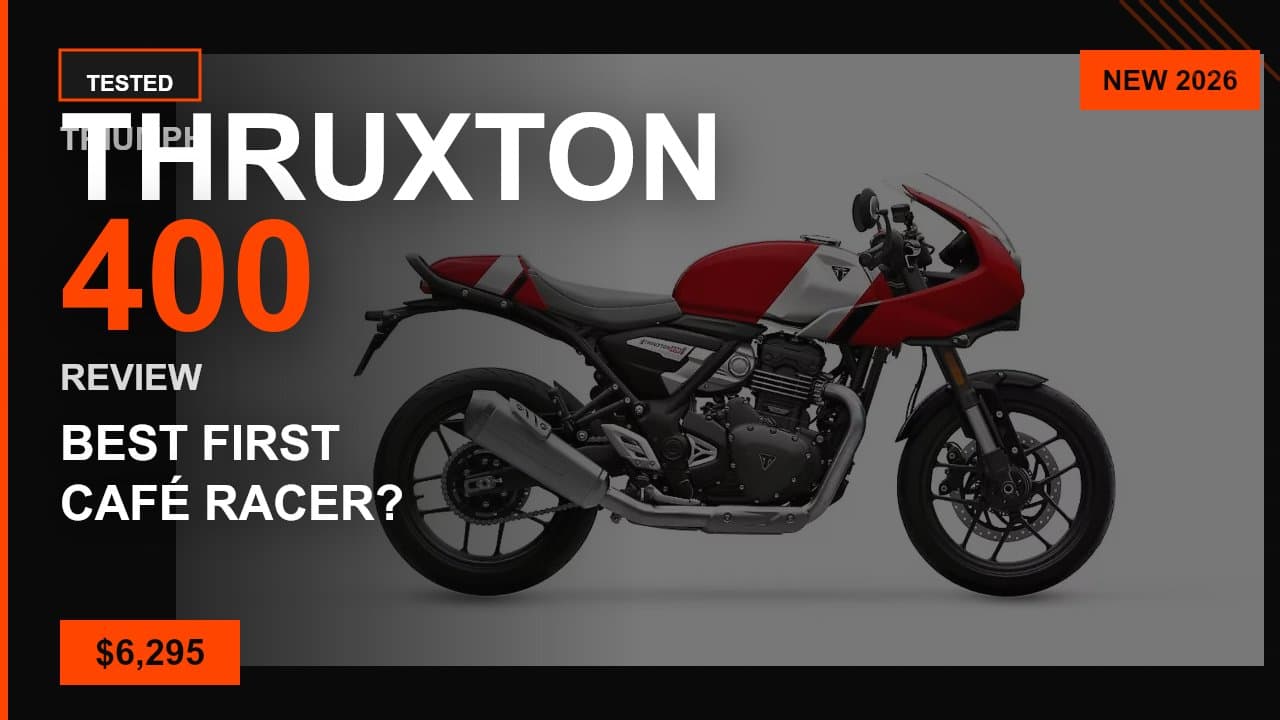
Triumph Thruxton 400 Review: Best First Café Racer? (2026)
I rode the new Thruxton 400 for a week. 398cc, clip-ons, rear-sets—can beginners actually start on a café racer? Honest answer inside.
Best Motorcycle Riding Shoes 2026 (Not Boots)
The TCX Street 3 WP is the best motorcycle riding shoe at $95-$110 on closeout. D3O ankle armor, waterproof, looks like a normal sneaker.
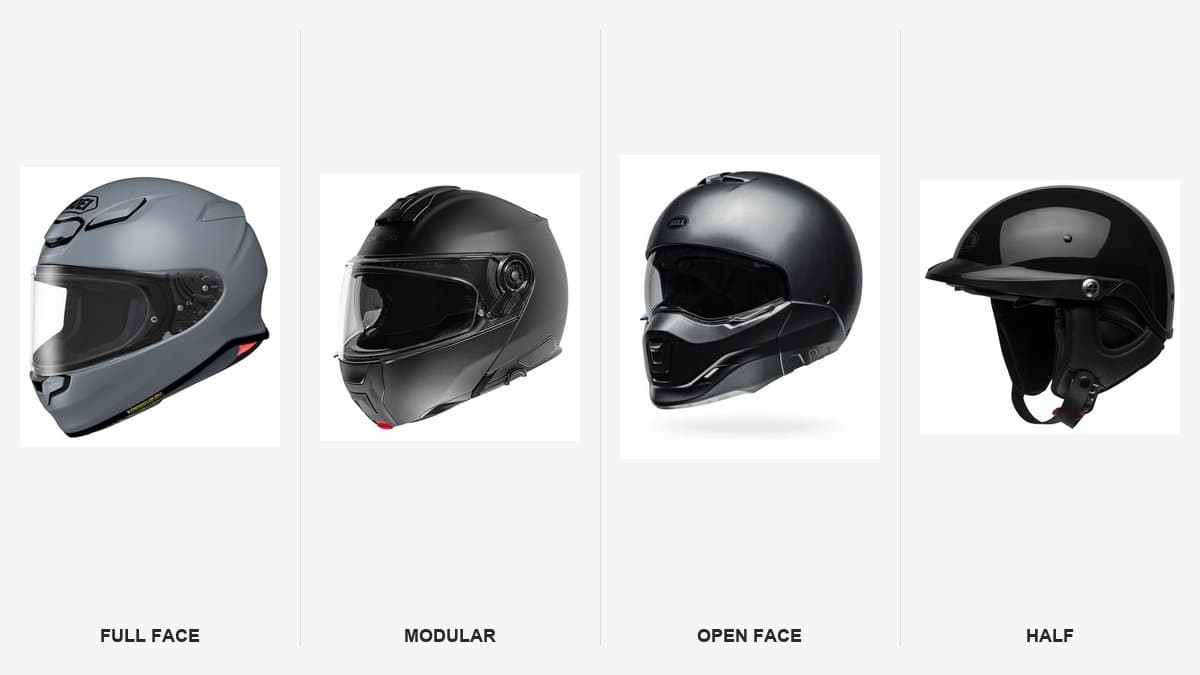
Full Face vs Modular vs Half Helmet 2026
I've worn all 4 helmet types. Full face wins for beginners — here's noise data, safety stats, and top picks.