7 Best Motorcycle Jackets for Beginners (2026)
By 6FOOT4HONDA · 14 min read · Mar 3, 2026 · Updated Mar 7, 2026
This post may contain affiliate links. We only recommend gear we'd use ourselves. If you click a link and make a purchase, we may earn a small commission at no extra cost to you.
In This Article
The Alpinestars T-GP Plus R v4 is the best motorcycle jacket for most beginners — it has solid CE Level 1 armor, works in multiple seasons, and costs around $250. If you ride in serious heat, the Rev'It Eclipse 2 is the best mesh option. On a tight budget, the Joe Rocket Phoenix 14.0 delivers real protection under $200.
Now let's break down why your jacket matters, what to look for, and how each of these seven picks compares.
The Alpinestars T-GP Plus R v4 (~$250) is the best motorcycle jacket for most beginners, delivering CE Level 1 armor, three-season versatility, and proven Alpinestars build quality. If budget is tight, the Joe Rocket Phoenix 14.0 under $200 offers real CE-approved protection with removable waterproof and thermal liners.
Why Do You Need a Motorcycle Jacket?
A motorcycle jacket isn't a fashion choice. It's the difference between road rash that scars you for life and walking away from a low-speed slide. The NHTSA reports that proper protective gear significantly reduces injury severity in crashes.
Abrasion resistance is the big one. Regular clothing — even a thick hoodie — shreds in less than a second on asphalt at 30 mph. Motorcycle-specific textiles and leather are engineered to survive multiple seconds of slide contact. That's the window that keeps your skin attached to your body.
Then there's impact armor. A proper motorcycle jacket has CE-rated armor at the shoulders, elbows, and ideally the back. These are foam or plastic inserts that absorb the energy of hitting the ground, a curb, or another vehicle. Without them, your bones and joints take the full force.
Finally, a motorcycle jacket provides weather protection. Wind fatigue at highway speed is real. Cold hands and a shivering torso slow your reaction time and cloud your judgment. A decent jacket blocks wind, manages temperature, and keeps you riding longer and safer.
Your helmet protects your brain. Your jacket protects everything else from the neck down to the waist. If you've already got a helmet and gloves, a jacket should be next on your list. Check our Complete Riding Gear Guide for the full priority order.
Textile vs Leather: Which Is Better for Beginners?
This is the first decision you'll make, and for most new riders, the answer is textile.
Textile Jackets
Textile jackets use materials like Cordura nylon, polyester, and mesh panels. They're the Swiss army knife of motorcycle jackets.
Pros:
- Significantly cheaper than leather at the same protection level
- Better ventilation — most have zip-open vents or full mesh panels
- Waterproofing is easier to build in (many come with removable rain liners)
- Lighter and more comfortable in warm weather
- Easier to clean and maintain
Cons:
- Less abrasion resistance than quality leather at high speeds
- Doesn't age as well aesthetically
- Some cheap textiles feel flimsy
Leather Jackets
Leather jackets are the classic. Cowhide or buffalo leather provides excellent abrasion resistance — it's still the material of choice for track racers.
Pros:
- Superior abrasion resistance, especially at high speeds
- Conforms to your body over time for a custom fit
- Looks great and lasts decades if maintained
- The protection standard in racing for a reason
Cons:
- More expensive for equivalent protection
- Heavy and hot in warm weather
- Requires regular conditioning to prevent drying and cracking
- No waterproofing without a separate rain layer
- Less ventilation
The verdict for beginners: Go textile for your first jacket. You'll ride in more conditions, spend less money, and still get legitimate protection. If you ride a cruiser and want the leather look, there are solid affordable options in our list below. But for versatility, textile wins.
Many riders end up owning both — a textile jacket for daily commuting and bad weather, and a leather jacket for weekend rides and cooler temps. Your first jacket doesn't have to be your last.
What Should You Look For in a Motorcycle Jacket?
Not all motorcycle jackets are created equal. Here's what separates real protection from a fashion statement with a motorcycle logo on it.
CE Armor Ratings
CE armor is the European standard for motorcycle protective equipment, and it's the global benchmark. Shoulder and elbow armor is tested under the EN 1621-1 standard, while back protectors follow EN 1621-2. There are two levels:
- CE Level 1 — good protection. Absorbs a moderate amount of impact energy. This is the minimum you should accept in a motorcycle jacket.
- CE Level 2 — better protection. Absorbs roughly twice the impact energy of Level 1. Preferred if you can get it, especially for back protectors.
Most jackets in the $150-300 range come with CE Level 1 armor at the shoulders and elbows. Many include a back protector pocket but ship with a foam pad instead of a real CE-rated back protector. If your jacket does this, buy a separate CE Level 2 back protector insert. Your spine is worth the extra $40-60.
Abrasion Zones
Check where the jacket uses its toughest material. The shoulders, elbows, and forearms are your primary abrasion zones — these are where your body contacts the ground in most slides. A good jacket reinforces these areas with double layers or higher-denier material.
Ventilation
If you ride anywhere that gets above 75°F, ventilation matters. Look for zippered intake vents on the chest and exhaust vents on the back. Mesh jackets take this further with large panels of open mesh fabric — they're basically a wearable armor frame with maximum airflow.
The trade-off: more ventilation means less waterproofing and sometimes less abrasion resistance. Mesh jackets are incredible in summer and nearly useless in winter rain.
Waterproofing
Some jackets have a removable waterproof liner you can zip in when rain threatens. Others have a laminated waterproof membrane built into the shell. Laminated is better but more expensive. Removable liners work fine for intermittent rain but can feel clammy in extended downpours.
If you commute on your motorcycle, waterproofing is a priority. If you only ride on nice days, you can skip it and save money. For rain-specific advice, see our How to Ride in Rain guide.
Visibility
A dark black jacket looks cool. It's also nearly invisible to drivers at dusk, dawn, and night. Look for jackets with reflective panels or hi-viz color options. You don't need to look like a traffic cone, but a few strategically placed reflective strips can make a real difference in whether that distracted driver in the SUV actually sees you.
Fit and Connection
Your jacket should have a waist connection zipper or snap system that attaches to your riding pants. This prevents the jacket from riding up in a crash and exposing your lower back and stomach to the pavement. Not every jacket has this, but it's a nice-to-have feature, especially at higher price points.
The 7 Best Motorcycle Jackets for Beginners
1. Alpinestars T-GP Plus R v4
Alpinestars T-GP Plus R v4
The best all-around textile jacket for new riders. CE Level 1 armor at shoulders and elbows, a back protector pocket, solid Alpinestars build quality, and enough ventilation for three-season riding. It's the jacket you won't outgrow.
The Alpinestars T-GP Plus R v4 is the jacket I'd hand to any new rider who asks "what should I buy?" It nails the fundamentals without overcomplicating things. The textile shell is durable, the armor placements are correct, and the fit is sportier than most without being aggressive.
Ventilation is adequate for warm days — there are chest and back vents — but this isn't a mesh jacket. If you live in Arizona, look at the Rev'It Eclipse 2 below. For most three-season riders in most climates, the T-GP Plus is exactly right.
The downsides: the included back protector is a basic foam insert, not a real CE-rated protector. Budget an extra $50 for a proper Alpinestars Nucleon back insert. And the waterproofing is limited — you'll want a rain layer for serious storms.
Price range: $250-300
2. Rev'It Eclipse 2
Rev'It Eclipse 2
The best hot-weather jacket on this list. Full mesh construction means maximum airflow without sacrificing CE Level 1 shoulder and elbow armor. If you ride in heat, this is the jacket that keeps you geared up instead of tempted to ride in a t-shirt.
Rev'It makes premium gear, and the Eclipse 2 is their answer to the question every summer rider asks: "How do I stay protected without overheating?"
The mesh construction is aggressive. Air flows through this jacket like it's barely there. You still get CE Level 1 armor at the shoulders and elbows, plus a back protector pocket. The fit is slightly more relaxed than the Alpinestars, making it comfortable for longer rides.
The trade-offs are obvious: mesh means no waterproofing and reduced abrasion resistance compared to a full textile jacket. This is a warm-weather specialist. If you ride year-round, you'll need a second jacket for cold and wet conditions. But for keeping you armored up when it's 95°F outside, nothing on this list beats the Eclipse 2.
Price range: $180-220
3. Joe Rocket Phoenix 14.0
Joe Rocket Phoenix 14.0
The best value in beginner motorcycle jackets. Mesh and textile hybrid construction, CE-approved armor at shoulders and elbows, a removable waterproof liner, and a removable thermal liner — all under $200. It punches well above its price.
Joe Rocket has been making the Phoenix line for years, and each version gets incrementally better. The 14.0 is a mesh/textile hybrid with both a removable waterproof liner and a removable thermal liner, which means you can technically ride in it across multiple seasons.
The armor is CE-approved at the shoulders and elbows. The ventilation is good with the liners removed. The sizing runs slightly large, so consider ordering a size down if you're between sizes.
Where does it cut corners? The materials don't feel as premium as Alpinestars or Rev'It. The zippers are adequate but not buttery smooth. The waterproof liner works for light rain but won't hold up to a sustained downpour. For under $200, though, you're getting a genuinely protective jacket with real versatility. Hard to argue with that.
Price range: $150-200
4. Scorpion Vortex Air
Scorpion Vortex Air
Outstanding ventilation and armor quality for the price. CE Level 1 armor, mesh panels in all the right places, and Scorpion's reputation for overdelivering on protection at mid-range prices. A sleeper pick that deserves more attention.
Scorpion is an underrated brand. They consistently deliver more protection per dollar than most competitors, and the Vortex Air is a perfect example.
This is a mesh jacket with CE Level 1 armor at the shoulders and elbows, plus a back protector pocket. The ventilation is excellent — comparable to the Rev'It Eclipse 2 but at a lower price point. The fit tends to be American-friendly, meaning a little more room in the torso than European-cut jackets like Alpinestars.
The main downside is availability. Scorpion doesn't have the marketing budget of Alpinestars or Rev'It, so fewer retailers stock their full size range. You might need to order online and deal with potential sizing exchanges. But if you're looking for the most armor and airflow per dollar, the Vortex Air is it.
Price range: $170-220
5. Milwaukee Leather LKM1720
Milwaukee Leather LKM1720
A genuine leather motorcycle jacket with CE armor at a price that doesn't require a second mortgage. Classic cruiser styling, solid cowhide construction, and armor pockets at shoulders, elbows, and back. The best entry point into leather riding gear.
If you ride a cruiser and want the leather look with actual protection, the Milwaukee Leather LKM1720 is your entry point. It's genuine cowhide leather — not the bonded or faux stuff — with armor pockets at the shoulders, elbows, and back.
Let's be honest about the trade-offs. The leather quality isn't Schott or Vanson level — it's stiffer out of the box and takes longer to break in. The included armor is basic and you should upgrade the back protector immediately. The ventilation is essentially zero, so this is a fall/spring/cool-evening jacket, not a summer rider.
But it looks the part, provides legitimate abrasion resistance, and costs roughly what a mid-range textile jacket costs. For cruiser riders who refuse to wear textile, this is the best affordable leather option with real armor.
Price range: $150-200
Avoid "motorcycle-style" leather jackets from fashion brands. They look similar but use thin leather with no armor, no abrasion-rated materials, and no reinforced seams. A fashion leather jacket will shred just like a cotton hoodie in a real slide. If it doesn't have CE-rated armor, it's a costume, not protection.
6. Klim Marrakesh
Klim Marrakesh
Built for adventure and touring riders who face unpredictable weather. D3O CE Level 1 armor, excellent weatherproofing, and available high-visibility color options. If you commute on your bike or ride long distances regardless of weather, this is the jacket.
Klim builds gear for riders who don't check the weather forecast before suiting up. The Marrakesh is an adventure-touring textile jacket with D3O CE Level 1 armor, a weatherproof construction, and one of the best high-visibility color options on the market.
The build quality is a step above most jackets at this price. Klim uses proprietary fabrics and pays attention to details like seam sealing and strategic ventilation placement. The D3O armor is lighter and more flexible than traditional foam inserts, which makes a noticeable difference on long rides.
The fit is more relaxed and upright — designed for adventure and touring postures rather than sportbikes. If you ride a Yamaha Tenere, V-Strom, or similar ADV bike, this jacket was designed for you. For commuters who ride rain or shine, the weatherproofing alone justifies the price.
The downside: it's warm. The ventilation is adequate but not aggressive, so it gets uncomfortable above 85°F. For hot climates, pair it with one of the mesh options above for summer and keep the Klim for cooler months. For winter-specific recommendations, check our Winter Riding Gear Guide.
Price range: $200-250
7. HWK Motorcycle Jacket
HWK Motorcycle Jacket
The most affordable real motorcycle jacket you can buy. CE-approved armor at shoulders and elbows, removable waterproof liner, and thousands of positive reviews. Not premium, but leagues better than riding without gear.
The HWK Motorcycle Jacket is the Amazon bestseller in the motorcycle jacket category, and there's a simple reason: it costs $80-120 and it actually works.
You get CE-approved armor at the shoulders and elbows, a removable waterproof liner, a removable thermal liner, and reflective piping for visibility. For a jacket that costs less than dinner for two at a nice restaurant, that's a legitimate spec sheet.
The catches? The textile quality is noticeably cheaper than anything else on this list. The armor inserts are thin and basic. The waterproof liner is more "water-resistant" in sustained rain. The zippers feel like they came from a different price bracket (because they did). And the sizing is inconsistent — read the size chart carefully and expect to possibly exchange.
But here's the thing: this jacket is infinitely better than no jacket. If your budget is truly limited and the alternative is riding in a hoodie, the HWK gets real armor on your body for under $100. You can always upgrade later. What matters right now is that you're protected.
Price range: $80-120
Comparison Table
| Jacket | Material | Armor | Best For | Price |
|---|---|---|---|---|
| Alpinestars T-GP Plus R v4 | Textile | CE Level 1 | All-around riding | $250-300 |
| Rev'It Eclipse 2 | Mesh | CE Level 1 | Hot weather | $180-220 |
| Joe Rocket Phoenix 14.0 | Mesh/Textile | CE Approved | Budget all-season | $150-200 |
| Scorpion Vortex Air | Mesh | CE Level 1 | Value + ventilation | $170-220 |
| Milwaukee Leather LKM1720 | Leather | CE Armor pockets | Cruiser riders | $150-200 |
| Klim Marrakesh | Textile | D3O CE Level 1 | Adventure/touring | $200-250 |
| HWK Motorcycle Jacket | Textile | CE Approved | Absolute budget | $80-120 |
How Should a Motorcycle Jacket Fit?
A motorcycle jacket is designed to be worn in a riding position, not standing in front of a mirror. Here's how to check the fit.
Sleeves: Sit on your bike (or mimic the position on a chair) and extend your arms forward like you're gripping handlebars. The sleeves should reach your wrists without pulling up and exposing a gap between your gloves and jacket. If the sleeves are perfect when standing but too short when reaching, the jacket is too small.
Torso: The jacket should be snug but not restrictive. You should be able to zip it fully closed, take a deep breath, and move your arms without feeling like you're in a straitjacket. A loose jacket lets armor shift off your joints during a crash — that's armor failing exactly when you need it.
Armor placement: With the jacket zipped, the shoulder armor should sit on top of your shoulder joint, not on your upper arm or your collarbone. The elbow armor should be centered on your elbow, not floating above or below it. If the armor doesn't sit on the joint, that jacket isn't your size.
Length: On the bike, the jacket should cover your lower back and overlap with your pants. A jacket that rides up when you lean forward exposes your kidneys and lower spine to the road. Look for jackets with a drop tail — a longer rear hem designed for riding positions.
If you're between sizes, size up and have a local tailor take in the non-critical areas. A slightly large jacket with armor in the right places beats a too-tight jacket where the armor has shifted off your joints.
Waist strap or adjustment: Most quality jackets have a velcro or snap adjustment at the waist to cinch the fit. Use it. A jacket that flaps in the wind creates drag, noise, and fatigue. A snug waist also prevents the jacket from riding up in a slide.
What Gear Should You Pair With Your Jacket?
A jacket protects your upper body. But crashes don't politely limit themselves to your torso. Here's the short version of what else you need.
Riding pants are the most neglected piece of gear among beginners. Your femoral artery runs through your thigh. Jeans disintegrate in a slide. At minimum, get a pair of armored riding jeans with CE knee and hip armor. Better yet, get purpose-built textile or leather riding pants that zip-connect to your jacket.
Gloves should be your second purchase after a helmet. Your hands instinctively reach out to break a fall. Without gloves, that means degloved fingers and shattered wrists. Get gauntlet-style gloves with knuckle armor and palm sliders. See our Best Motorcycle Helmets guide for our top picks on head protection.
Boots protect your ankles — one of the most commonly injured body parts in motorcycle crashes. Look for over-the-ankle boots with a stiff sole and shift pad.
For a full breakdown of every piece of gear and specific recommendations at every budget, read our Complete Riding Gear Guide. If you're still building your overall knowledge base, our Complete Beginner's Guide covers everything from licensing to your first ride.
The Bottom Line
You don't need to spend $500 on a motorcycle jacket. You do need to spend enough to get real CE-rated armor and legitimate abrasion-resistant material. For most beginners, that sweet spot is $150-300.
The Alpinestars T-GP Plus R v4 is the best overall pick. The Joe Rocket Phoenix 14.0 is the best if budget is tight. The Rev'It Eclipse 2 is the one to get if heat is your biggest enemy. And if you can only afford the HWK right now, get it — because a budget jacket with armor is worlds better than no jacket at all.
Whatever you buy, wear it every single ride. The crash you gear up for is never the one you expect.
Frequently Asked Questions
How much should I spend on a motorcycle jacket?
Plan to spend $150-300 for a quality beginner jacket with CE-rated armor. Under $150, you start sacrificing armor quality and material durability. Over $300 gets you premium features but isn't necessary for your first jacket.
Do I need a leather or textile motorcycle jacket?
Textile is better for most beginners. It's cheaper, more versatile across weather conditions, and easier to maintain. Leather offers superior abrasion resistance but costs more, runs hotter, and requires conditioning. Go textile first, add leather later if you want it.
What CE armor rating do I need in a motorcycle jacket?
CE Level 1 is the minimum you should accept for shoulder and elbow armor. CE Level 2 is better and absorbs roughly twice the impact energy. For back protectors specifically, invest in a CE Level 2 insert — your spine deserves the best protection you can afford.
Can I wear a regular jacket on a motorcycle?
No. Regular jackets — including leather fashion jackets — have no impact armor and use materials that shred instantly on asphalt. At just 30 mph, a regular jacket disintegrates in under a second of slide contact. Only jackets with CE-rated armor and abrasion-resistant materials provide real protection.
How should a motorcycle jacket fit?
A motorcycle jacket should be snug but not restrictive, with armor sitting directly on your shoulder and elbow joints. Check the fit in a riding position — sleeves should reach your wrists when your arms are extended forward, and the back hem should cover your lower back when leaning.
Written by
6FOOT4HONDAMotorcycle creator with 1.2M+ subscribers on YouTube and 2M+ across all platforms. Riding and filming since 2016, with 1,000+ videos covering beginner riding tips, gear reviews, stunts, and road trips. Every product recommended on this site has been personally tested on real rides — from highway touring to track days to stunt sessions. Based in the US, riding year-round.
Related Articles
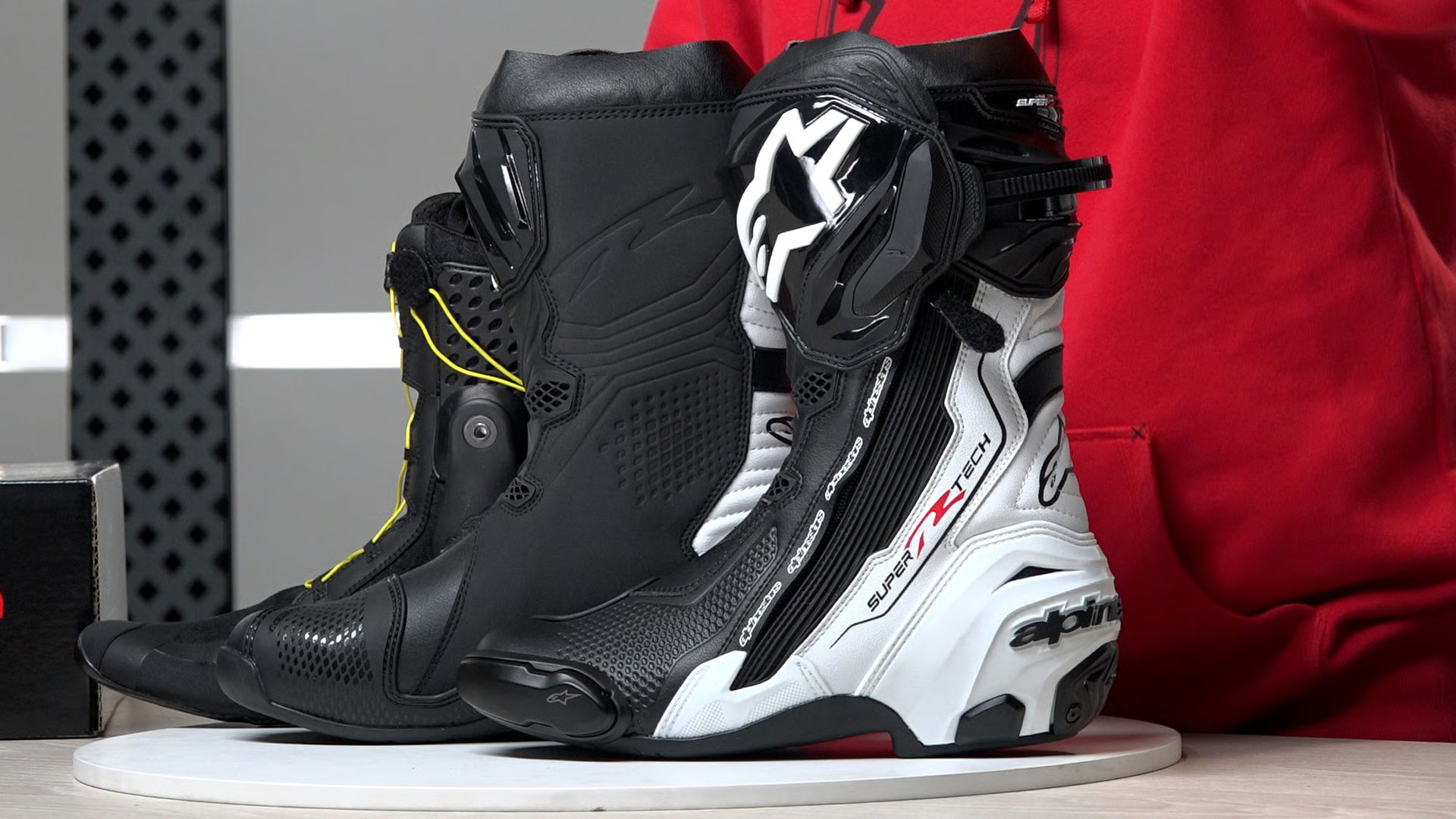
7 Best Motorcycle Boots for Beginners (2026)
The best beginner motorcycle boots compared. Ankle protection, waterproofing, and sole grip explained — from casual riding shoes to full touring boots.
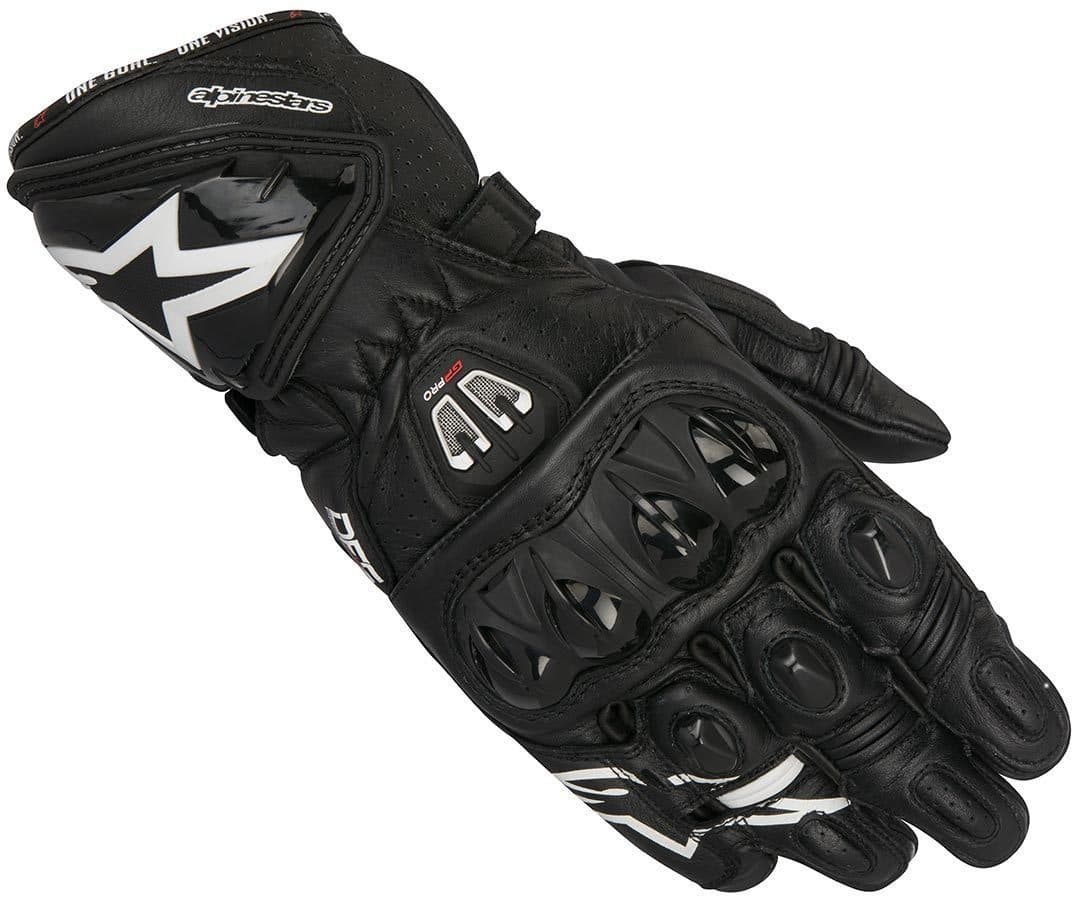
Best Motorcycle Gloves for Every Season (2026 Guide)
The best motorcycle gloves for summer, winter, and rain compared. Knuckle armor, palm sliders, touchscreen tips, and what to actually buy for each season.
Motorcycle Airbag Vests Explained: The Safety Gear Nobody Talks About (2026)
Motorcycle airbag vests inflate in milliseconds and reduce impact force by up to 90%. They're more affordable than you think. Here's everything you need to know.