Motorcycle Winter Riding: The Complete Cold Weather Gear Guide (2026)
By 6FOOT4HONDA · 16 min read · Mar 3, 2026 · Updated Mar 4, 2026
This post may contain affiliate links. We only recommend gear we'd use ourselves. If you click a link and make a purchase, we may earn a small commission at no extra cost to you.
In This Article
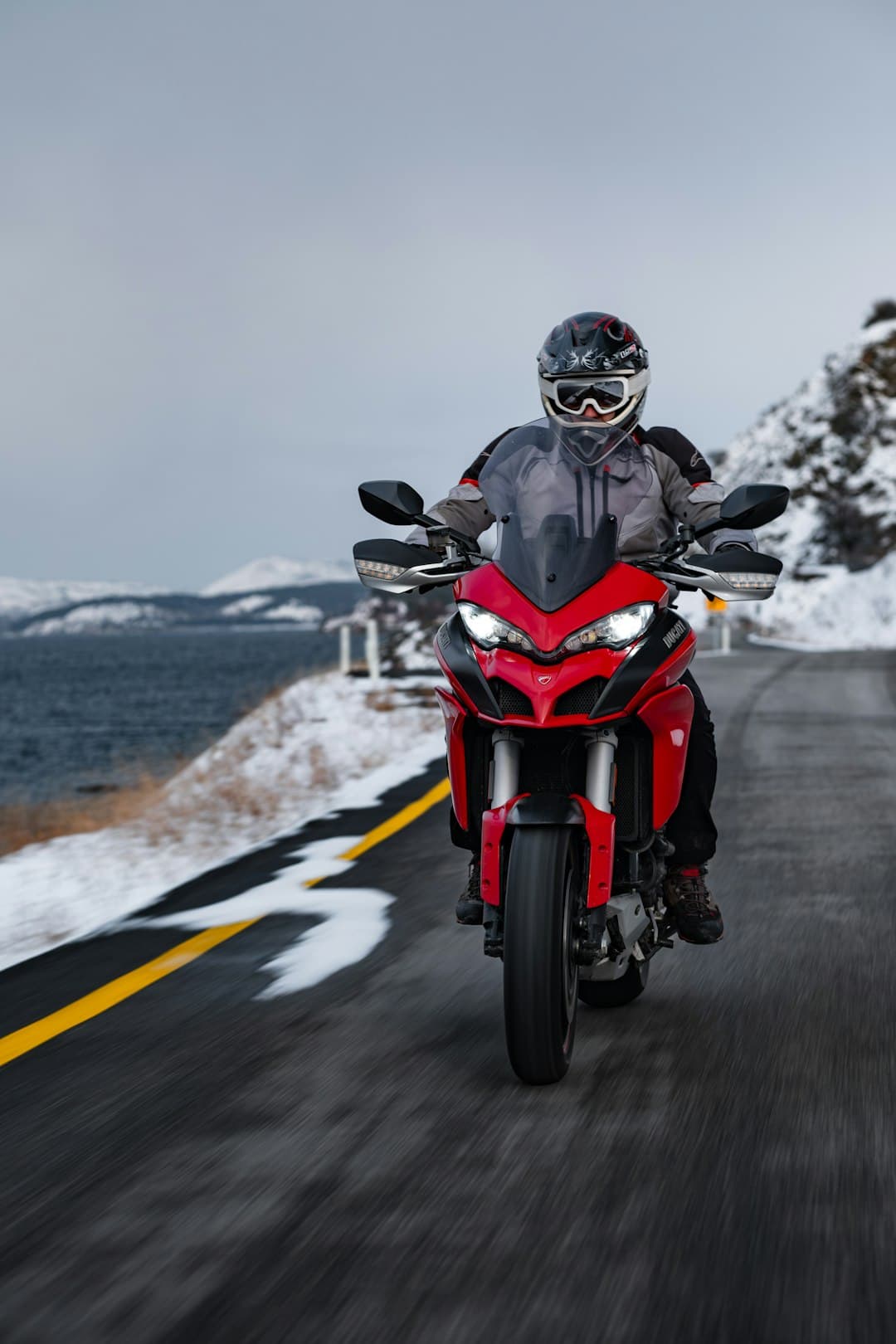
It's 38°F. Your buddy texts "too cold to ride" and starts his car. You pull on a heated jacket liner, zip up your shell, and roll out the garage for a crisp, empty-road morning ride with zero traffic.
Winter riding isn't about toughness. It's about gear. The right layering system turns a miserable 30-minute white-knuckle shiver-fest into a comfortable all-day ride. The wrong gear (or no gear) turns a 45°F day into hypothermia risk. The CDC warns that hypothermia can set in when the body loses heat faster than it can produce it, even at temperatures well above freezing when wind chill is factored in.
This guide breaks down the cold-weather layering system, heated gear, and the specific products that make winter riding genuinely comfortable — not just survivable.
Wind Chill: The Number That Actually Matters
The air temperature is misleading on a motorcycle. What matters is wind chill — the temperature your body actually feels when 60 mph wind is hitting you.
Here's the reality check:
| Air Temp | At 30 mph | At 60 mph |
|---|---|---|
| 50°F | 40°F | 33°F |
| 40°F | 28°F | 19°F |
| 30°F | 15°F | 4°F |
| 20°F | 1°F | -11°F |
A 40°F day at highway speed feels like 19°F on your body. That's below freezing. Without proper gear, your core temperature drops, your hands go numb, your reaction time slows, and you become a danger to yourself.
This is why "I'll just wear an extra hoodie" doesn't work. Cotton absorbs moisture, wind blows right through it, and you lose body heat faster than you can generate it. You need a system.
Below 32°F / 0°C air temperature, watch for ice. Black ice forms on bridges, overpasses, and shaded sections of road first. If the temperature is near or below freezing, avoid bridges, avoid morning rides before the sun hits the road, and reduce speed in shaded areas. No amount of gear protects you from ice under your tires.
The Layering System
Cold-weather riding gear works in three layers. Each layer has a specific job. Skip one and the system fails.
Layer 1: Base Layer (Moisture Management)
The base layer sits against your skin. Its only job is to wick sweat away from your body. Wet skin loses heat 25x faster than dry skin. Even in cold weather, your body sweats — especially your torso and back.
Merino Wool Base Layer Set
Merino wool is the gold standard for cold-weather base layers. It wicks moisture, retains warmth when wet (unlike synthetics), is naturally anti-odor, and regulates temperature so you don't overheat at stops. A merino top and bottom set runs $60-100 and lasts for years.
What to avoid: Cotton. Cotton absorbs moisture, holds it against your skin, and makes you colder. A cotton t-shirt under your jacket is worse than nothing in cold, wet conditions.
Budget alternative: Synthetic base layers (polyester/spandex blends) from Under Armour, 32 Degrees, or similar athletic brands. They wick well and cost $15-30. They just don't regulate temperature or resist odor as well as merino.
Layer 2: Mid Layer (Insulation)
The mid layer traps warm air between your base layer and outer shell. This dead air space is what actually keeps you warm — not the material itself.
Fleece or Down Mid Layer Jacket
A lightweight fleece or packable down jacket worn under your riding jacket adds massive warmth without bulk. Look for something thin enough to fit under your jacket without restricting movement. A $40 fleece from Costco works just as well as a $150 brand-name option.
Below 40°F: A single fleece mid layer is usually sufficient with a windproof shell.
Below 25°F: Double up — a thin fleece plus a down vest, or switch to a heated mid layer (more on that below).
Layer 3: Outer Shell (Wind and Water Protection)
Your riding jacket IS your outer shell. For winter riding, it needs to be windproof above all else. Wind is the enemy, not cold air. Block the wind and your mid layers can do their job.
Textile jackets with a wind membrane (Gore-Tex, Drystar, D-Dry) are ideal for winter. Leather blocks wind naturally but doesn't breathe as well when you layer underneath it.
Key features for a winter riding jacket:
- Adjustable collar that seals around your neck
- Wrist closures that seal over your gloves
- Storm flap over the main zipper (prevents wind from blowing through the zipper)
- Removable thermal liner (many adventure and touring jackets include one)
The air gap between your mid layer and outer shell matters. If your jacket is so packed with layers that there's no air space, you lose insulating ability. Size your riding jacket to accommodate layers underneath without being skin-tight. Some riders buy their winter jacket one size larger than their summer jacket specifically for this.
Extremities: Where You Lose the Battle
Your core will stay warm with a basic layering system. The real cold-weather challenge is your hands, feet, neck, and head. These extremities have less insulation and blood flow, and they're directly exposed to wind.
Hands
Cold hands are the #1 reason riders quit in cold weather. You cannot ride safely if you can't feel the throttle, brake lever, and clutch. Our motorcycle gloves guide covers the best options for every season including winter picks.
Heated Motorcycle Gloves
Battery-powered or wire-powered heated gloves are the single biggest winter riding upgrade you can make. They generate heat directly at your fingertips where you need it most. Good heated gloves with a rechargeable battery run 2-4 hours on a charge — plenty for a commute or day ride with charging breaks.
Budget alternative: Heated grips. Aftermarket heated grips install directly onto your handlebars and run off the bike's electrical system (no batteries). They heat from the palm side, which isn't as effective as heated gloves (the wind hits the backs of your hands), but they're a $40-80 upgrade that makes a massive difference. Brands like Oxford and Koso make universal-fit kits.
The ultimate setup: Heated grips + heated gloves + hand guards (wind deflectors that mount on the handlebars). This triple combination keeps your hands warm well below freezing.
Neck
The gap between your helmet and jacket collar is the #1 source of cold air infiltration. Seal it.
Balaclava or Neck Gaiter
A fleece or merino balaclava covers your neck, chin, and the gap around your helmet. It stops cold air from rushing down your collar at speed. Under $20 and more effective than any other single cold-weather purchase. Get a thin one that fits comfortably under your helmet.
Feet
Insulated, waterproof boots with a tall shaft (above the ankle, ideally mid-calf). Your summer riding boots with a pair of thick socks underneath is usually adequate down to about 35°F. Below that, you need dedicated winter boots or heated insoles.
Heated Insoles
Battery-powered heated insoles fit inside your existing riding boots and keep your toes warm for 4-6 hours. A much cheaper alternative to buying dedicated winter motorcycle boots. Under $40 for a rechargeable pair.
Tip: Wool socks (not cotton) make a bigger difference than you'd expect. A pair of Darn Tough or Smartwool socks under your boots is the cheapest cold-weather upgrade.
Head
Your helmet traps a surprising amount of heat — it's actually one of the warmest parts of your body while riding. The main issue is visor fogging.
- Pinlock insert: Eliminates fogging. Non-negotiable for cold-weather riding.
- Breath deflector: The nose piece inside your helmet that directs your exhaled breath downward, away from the visor. Most helmets include one. If yours doesn't, buy an aftermarket one for $10.
- Crack the visor slightly: If fogging persists even with a Pinlock, crack the visor open one notch. The airflow prevents condensation. You'll feel a slight breeze on your forehead — worth it for clear vision.
Heated Gear: The Cold-Weather Cheat Code
Once the temperature drops below 30°F, passive layers (fleece, down, merino) reach their limit. You need active heat generation. That's where heated gear comes in.
How Heated Gear Works
Heated motorcycle gear uses thin, flexible heating elements woven into the fabric. Power comes from either:
- Rechargeable batteries — Portable but limited run time (2-6 hours depending on heat setting). Best for commuters.
- Direct wire to the motorcycle — Unlimited run time, plugs into your battery via a harness. Best for touring and long-distance riders.
What to Heat First (Priority Order)
If you're building a heated gear setup gradually, buy in this order:
- Heated gloves or heated grips — Hands first, always. Cold hands are dangerous.
- Heated jacket liner — Core warmth. A 12V heated liner under your riding jacket is the single most effective piece of heated gear. Your core stays warm, which keeps blood flowing to your extremities.
- Heated insoles or socks — Cold feet are uncomfortable but not dangerous until they go numb.
- Heated pants liner — For extreme cold or long touring days.
Heated Jacket Liner (12V)
A 12V heated jacket liner plugs into your bike's battery and generates steady heat across your chest, back, and arms for as long as you ride. No battery life limits. Brands like Gerbing, Firstgear, and Venture Heat make excellent options in the $150-250 range. This is the piece that turns winter riding from 'possible' to 'comfortable.'
If you buy 12V heated gear, install a dedicated power harness. Don't splice into random wires. A proper battery harness ($20-30) with an inline fuse protects your electrical system and gives you a clean plug connection. Most heated gear brands sell their own harness kits. Install it once and forget about it.
Cold-Weather Riding Strategy
Gear is half the equation. The other half is how you plan your ride.
Time of Day Matters
- Midday is warmest. Obvious, but plan your rides for 11 AM - 3 PM in winter if possible.
- Morning rides are the coldest — not just because of air temperature, but because the road surface hasn't absorbed solar heat yet. Cold pavement = less tire grip.
- Sunset drops temperature fast. In winter, temperatures can fall 10-15°F in the hour around sunset. If you're riding at 3 PM and it's 40°F, it might be 28°F by the time you get home at 5 PM.
Route Selection
- Avoid bridges and overpasses in near-freezing conditions. They freeze first because cold air circulates above and below them.
- Avoid shaded canyon roads in the morning. The road surface hasn't been warmed by sun and may have frost.
- Stick to major roads that get more traffic. Car and truck tires warm the pavement and clear moisture.
Pre-Ride Checklist
- Tire pressure. Cold air reduces tire pressure. For every 10°F drop in temperature, you lose about 1-2 PSI, as noted by the NHTSA. Check and adjust before riding.
- Battery health. Cold weather stresses batteries. If your battery is more than 3 years old, test it or replace it before winter.
- Coolant. Make sure your coolant mix is rated for the temperatures you'll be riding in. A 50/50 coolant/water mix protects to about -34°F.
When It's Too Cold to Ride
There's cold-weather riding, and then there's reckless. Here are the lines:
- Below 25°F air temp: Only with full heated gear and careful route planning. Ice becomes a real risk.
- Below 20°F air temp: Experienced cold-weather riders only. Most riders should park it.
- Any temperature with ice or snow on the road: No. Full stop. Motorcycle tires have zero grip on ice. No amount of skill or gear changes physics.
- Freezing rain or sleet: Absolutely not. Pull over immediately if it starts.
Cold tires are dangerous tires. Motorcycle tires need heat to reach optimal grip. In cold weather, your tires may take 5-10 miles to warm up instead of the usual 1-2 miles. Ride gently for the first 10 minutes — no hard braking, no aggressive leaning, no sudden acceleration. Treat the first few miles like a warmup lap.
Complete Winter Riding Gear Checklist
| Layer | Item | Temperature Range | Budget Cost |
|---|---|---|---|
| Base | Merino wool top + bottom | All cold weather | ~$70 |
| Mid | Fleece jacket | 35-50°F | ~$40 |
| Mid | Heated jacket liner (12V) | Below 35°F | ~$180 |
| Outer | Windproof textile jacket | All cold weather | (your riding jacket) |
| Hands | Heated gloves | Below 40°F | ~$120 |
| Hands | Heated grips | Below 45°F | ~$60 |
| Head | Balaclava | Below 50°F | ~$15 |
| Head | Pinlock visor insert | All cold weather | ~$30 |
| Feet | Wool socks | All cold weather | ~$20 |
| Feet | Heated insoles | Below 30°F | ~$35 |
| Neck | Neck gaiter / wind collar | Below 50°F | ~$12 |
Total for a complete winter setup (excluding riding jacket and boots): ~$580
You don't need everything at once. Start with a base layer, balaclava, and better gloves. Add heated gear as the temperature drops and you learn what your personal cold threshold is.
Year-Round Riding Is a Mindset
Most riders garage their bikes at the first sign of cold weather and don't touch them for 4-5 months. Those months have the emptiest roads, the best scenery (fall colors, winter light), and zero traffic.
The gear exists. The strategy is simple. The only thing stopping most riders from winter riding is the assumption that it has to be miserable. With the right setup, a 35°F morning ride is one of the best experiences in motorcycling — crisp air, empty roads, and the satisfaction of being out there when everyone else is in their car.
Check out our rain riding guide for handling wet winter conditions, and our moto camping guide if you're brave enough to camp in the cold.
Frequently Asked Questions
How cold is too cold to ride a motorcycle?
Most riders should avoid riding below 20 degrees Fahrenheit air temperature. Below 32 degrees, ice becomes a real risk on bridges and shaded roads. Any temperature with visible ice, snow, or freezing rain on the road means you should not ride regardless of gear.
What is the best heated gear for motorcycle riding?
A 12V heated jacket liner is the single most effective piece of heated gear because core warmth keeps blood flowing to your extremities. Pair it with heated gloves for your hands. Brands like Gerbing, Firstgear, and Venture Heat make excellent 12V options in the $150-250 range.
Do heated motorcycle grips really work?
Yes, heated grips are a highly effective and affordable upgrade at $40-80. They heat from the palm side using your bike's electrical system with unlimited run time. For best results, combine heated grips with winter gloves and hand guards to block wind on the backs of your hands.
What base layer should I wear for cold weather motorcycle riding?
Merino wool is the best base layer material for cold weather riding because it wicks moisture, retains warmth when wet, and regulates temperature. Never wear cotton as a base layer because it absorbs moisture and accelerates heat loss against your skin.
How does wind chill affect motorcycle riding?
Wind chill drastically lowers the temperature your body feels. A 40 degree day at 60 mph highway speed feels like 19 degrees on your body, which is below freezing. This is why a proper windproof outer shell and layering system are essential for cold weather riding.
Written by
6FOOT4HONDAMotorcycle creator with 1.2M+ subscribers on YouTube and 2M+ across all platforms. Riding and filming since 2016, with 1,000+ videos covering beginner riding tips, gear reviews, stunts, and road trips. Every product recommended on this site has been personally tested on real rides — from highway touring to track days to stunt sessions. Based in the US, riding year-round.
Related Articles
Triumph Thruxton 400 Review: Best First Café Racer? (2026)
I rode the new Thruxton 400 for a week. 398cc, clip-ons, rear-sets—can beginners actually start on a café racer? Honest answer inside.
Best Motorcycle Riding Shoes 2026 (Not Boots)
The TCX Street 3 WP is the best motorcycle riding shoe at $95-$110 on closeout. D3O ankle armor, waterproof, looks like a normal sneaker.
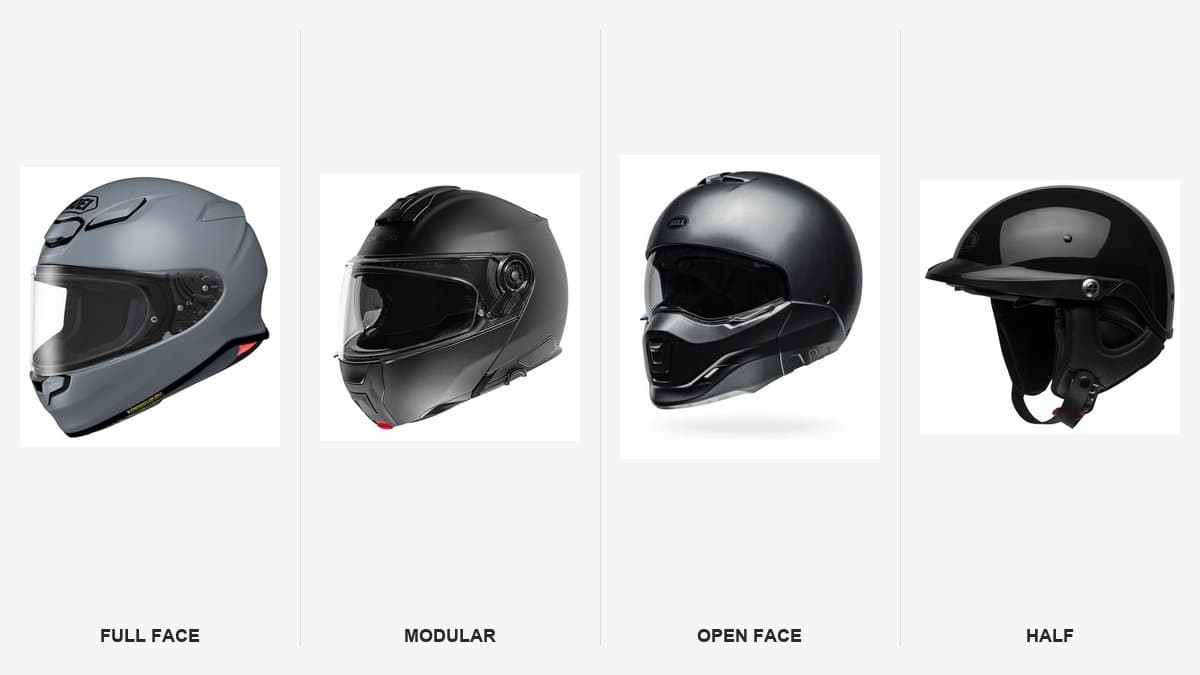
Full Face vs Modular vs Half Helmet 2026
I've worn all 4 helmet types. Full face wins for beginners — here's noise data, safety stats, and top picks.