Best Motorcycle Gloves for Every Season (2026 Guide)
By 6FOOT4HONDA · 13 min read · Mar 3, 2026 · Updated Mar 7, 2026
This post may contain affiliate links. We only recommend gear we'd use ourselves. If you click a link and make a purchase, we may earn a small commission at no extra cost to you.
In This Article
The best motorcycle gloves for most riders are the Alpinestars SP-8 v3 for summer riding and the Rev'It Chevak GTX for winter. The SP-8 v3 gives you hard knuckle armor, a palm slider, and touchscreen compatibility for around $100. The Chevak GTX is a GORE-TEX insulated gauntlet that keeps your hands warm and dry down to 30°F. Most riders need at least two pairs to cover year-round riding.
The Alpinestars SP-8 v3 (~$100-130) is the best summer motorcycle glove for most riders, with hard knuckle armor, a palm slider that prevents scaphoid fractures, and touchscreen-compatible fingertips. For winter, the Rev'It Chevak GTX (~$180-220) with GORE-TEX insulation keeps hands warm and dry down to 30 degrees Fahrenheit.
Why Do You Need Motorcycle Gloves?
When you fall off a motorcycle, your hands hit the ground first. It's pure instinct -- you reach out to catch yourself before your brain even processes what's happening. The NHTSA consistently identifies hand and wrist injuries among the most common non-fatal motorcycle crash injuries. Without gloves, that instinct turns your palms into a meat crayon on asphalt.
Road rash on your hands is particularly brutal. Your palms are loaded with nerve endings, and the skin there is thin over tendons and bones that don't have much padding. A low-speed slide at 20 mph can grind through skin in under a second and sideline you for weeks.
Beyond crash protection, gloves solve everyday riding problems. Cold fingers can't squeeze a brake lever with precision. Sweaty palms lose grip on the throttle. Rain makes controls slippery. Good gloves give you better control of your bike in every condition -- not just when things go wrong.
Never ride with bare hands, even on a quick trip to the gas station. Most crashes happen within 5 miles of home, and road rash doesn't care how short your ride was.
What Is the Difference Between Summer, Winter, and Rain Gloves?
There's no single glove that does everything well. Every glove design is a trade-off between protection, warmth, waterproofing, and ventilation. That's why most riders end up with at least two pairs.
Summer gloves prioritize airflow and feel. They use perforated leather, mesh panels, or a combination of both to keep your hands cool. The trade-off is zero insulation and limited waterproofing. In July heat, that's exactly what you want.
Winter gloves prioritize insulation and wind blocking. They use thicker materials, thermal liners, and sometimes waterproof membranes like GORE-TEX. The trade-off is reduced dexterity -- your fingers are wrapped in more material, so fine control over switches and levers takes more effort. A well-designed winter glove minimizes this, but it never fully disappears.
Rain / all-season gloves try to split the difference. They use waterproof membranes with moderate insulation, making them usable across spring, summer, and fall. They won't keep you as cool as mesh summer gloves or as warm as dedicated winter gauntlets, but they cover the most ground with one pair.
If you ride year-round, plan on owning a summer pair and a winter pair at minimum. If you commute rain or shine, add a waterproof pair to the rotation.
What Should You Look For in Motorcycle Gloves?
Knuckle Armor
Your knuckles are the most exposed part of your hand when you're gripping the bars. Hard knuckle protectors (molded plastic or carbon fiber shells) absorb and distribute impact energy. Soft knuckle armor (foam or D3O padding) is more flexible and comfortable but offers less protection against sharp impacts.
For street riding, hard knuckle armor is the better choice. It slides on pavement instead of catching, which reduces the chance of your hand getting twisted in a crash.
Palm Sliders
This is the feature most beginners overlook, and it might be the most important one. Palm sliders are hard plastic or reinforced leather pads on the heel of your palm. When you instinctively catch yourself during a fall, the slider lets your hand skate across the pavement instead of gripping and stopping suddenly.
That sudden stop is what breaks your scaphoid bone -- a small bone in your wrist that takes 8-12 weeks to heal and sometimes requires surgery. Gloves with palm sliders are tested under the EN 13594 standard for motorcycle protective gloves. Palm sliders directly prevent this. Look for them on every glove you buy.
Finger Armor and Reinforcement
Some gloves add foam padding or hard armor across the fingers, especially the pinky and ring finger (which are most vulnerable in a slide). At minimum, look for double-layer leather or reinforced stitching on the palm-side of the fingers.
Gauntlet vs Short Cuff
Gauntlet gloves extend past your wrist and are designed to go over your jacket sleeve, sealing out wind and water. They're better for highway riding, cold weather, and rain.
Short cuff gloves end at the wrist and tuck under your jacket sleeve. They're easier to get on and off, cooler in summer, and feel less restrictive. Most riders prefer short cuff for warm-weather street and sport riding.
Touchscreen Compatibility
This matters more than you'd think. If you use a phone mount for navigation or need to adjust a GPS, touchscreen-compatible fingertips let you tap your screen without pulling off a glove. Not critical for safety, but a major convenience feature.
Closure System
Velcro wrist closures are the standard. What matters is that the glove stays on in a crash. A glove that flies off your hand during a slide protects nothing. Look for a secure wrist strap that cinches down snugly. Gauntlet gloves typically have a secondary closure higher on the forearm for extra security.
Best Summer Motorcycle Gloves
Best Summer Overall
Alpinestars SP-8 v3
The best all-around summer street glove. Hard knuckle armor, reinforced palm with slider, touchscreen fingertips, and a short cuff design that's comfortable for hours. Leather construction offers excellent abrasion resistance. Slightly warm for extreme heat but unbeatable protection for the price.
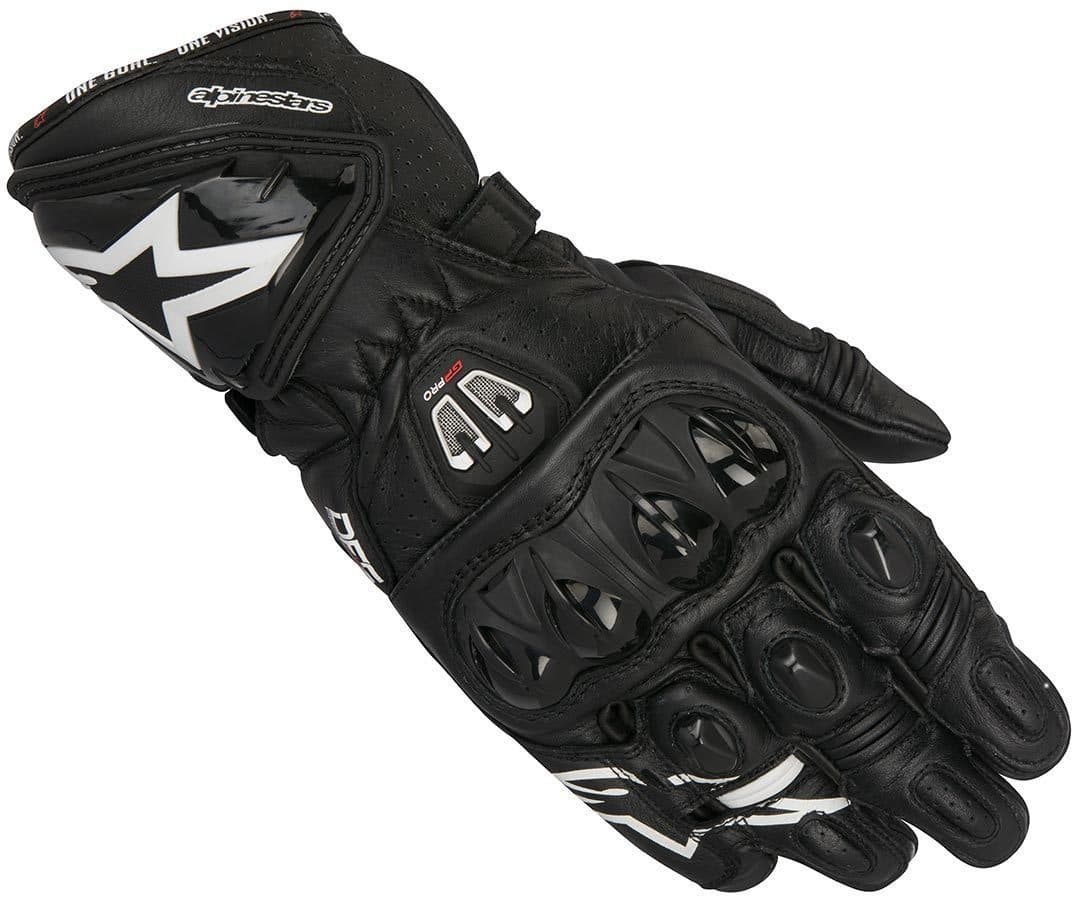
The Alpinestars SP-8 v3 is the glove that shows up on nearly every "best of" list for good reason. It's a sport-oriented short cuff glove built around a full leather chassis with hard knuckle armor, a palm slider, and finger reinforcement. The protection is legitimately close to what you'd get in a race glove, but the fit is comfortable enough for daily commuting.
The touchscreen-compatible fingertips actually work -- not perfectly, but well enough to tap a GPS destination without removing the glove. Ventilation is decent thanks to perforated leather panels, though these aren't mesh gloves. In 100°F heat, your hands will sweat. In the 70-90°F range, they're ideal.
At $100-130, these aren't cheap for summer gloves. But your hands are worth protecting properly, and the SP-8 v3 doesn't cut corners where it counts.
Best Budget Summer
Rev'It Fly 3
Lightweight mesh construction that breathes better than any glove in this price range. Soft knuckle protector and short cuff keep things simple. Not as protective as leather options, but vastly better than riding bare-handed. Ideal for hot-weather commutes where airflow is priority one.
If you ride in serious heat and want maximum airflow at a reasonable price, the Rev'It Fly 3 delivers. The mesh construction moves air across your hands far better than any leather glove can. They're light, flexible, and feel almost like wearing nothing -- which is exactly the point in August.
The trade-off is protection. You get a soft knuckle protector instead of hard armor, and there's no palm slider. The mesh material won't hold up to high-speed abrasion the way leather will. But for city commuting and moderate-speed riding in hot weather, the Fly 3 is a massive upgrade over no gloves. At $50-70, they're easy to justify as a dedicated hot-weather pair.
Best Adventure Summer
Held Sambia Pro
An adventure-touring glove that breathes surprisingly well for its level of protection. Hard knuckle armor, reinforced palm, and a longer wrist cuff that provides more coverage than typical summer gloves. Great for riders who want warm-weather ventilation without giving up wrist protection.
The Held Sambia Pro splits the difference between a ventilated summer glove and a full-coverage touring glove. The textile and leather construction uses perforated panels for airflow while maintaining hard knuckle armor and a reinforced palm. The slightly longer wrist coverage gives more protection than a typical short cuff without the full commitment of a gauntlet.
This is the pick if you ride an adventure bike, do longer tours in warm weather, or just want more wrist coverage than a sport-style summer glove. At $70-90, the protection-to-ventilation ratio is excellent. The downside is they run a touch warm compared to pure mesh gloves, and the styling leans more utilitarian than sporty.
Best Winter Motorcycle Gloves
Best Winter Overall
Rev'It Chevak GTX
GORE-TEX membrane keeps water out while allowing sweat vapor to escape. Insulated lining stays warm down to about 30°F at highway speeds. Hard knuckle protector, visor wiper on the index finger, and a gauntlet cuff that seals over your jacket sleeve. The best winter glove you can buy without going heated.
The Rev'It Chevak GTX is what you reach for when the temperature drops below 50°F and you still want to ride. The GORE-TEX membrane is the gold standard for waterproofing that actually breathes -- your hands stay dry from both rain and sweat, which is critical because wet hands get cold fast.
The insulation keeps your fingers functional down to about 30°F at highway speeds (factor in wind chill -- a 40°F day at 60 mph feels like 19°F on your hands). Below that, you're into heated glove territory. The gauntlet cuff fits over your jacket sleeve to seal out wind, and the hard knuckle armor means you're not sacrificing protection for warmth.
The downsides: dexterity is reduced compared to summer gloves (unavoidable with insulation), and at $180-220, these are a serious investment. But cold hands aren't just uncomfortable -- they're dangerous. If you can't feel the brake lever, you can't brake properly. The Chevak GTX keeps you in control when it matters most.
Budget Winter
Tourmaster Midland
A solid winter glove at roughly half the price of premium options. Hipora waterproof liner handles rain, and the insulation is adequate for 35-45°F riding. Not as warm or breathable as GORE-TEX, but gets the job done for riders who don't want to spend $200 on winter gloves.
Not everyone wants to drop $200 on gloves they'll wear four months a year. The Tourmaster Midland uses a Hipora waterproof liner (a step below GORE-TEX but still effective) and enough insulation to keep your hands comfortable in the 35-45°F range.
The warmth falls off faster than the Chevak GTX as temperatures drop -- below 35°F at speed, you'll start feeling the cold. The Hipora liner doesn't breathe quite as well either, so your hands may get clammy on warmer winter days. But at $80-110, the Midland is a practical winter glove that covers most cold-weather riding without breaking the bank.
If your winter gloves aren't cutting it below freezing, consider adding heated glove liners inside them before upgrading to full heated gloves. A thin heated liner from brands like Gerbing or Venture Heat runs $80-120 and can extend your existing winter gloves by 15-20°F.
Best Rain / All-Season Motorcycle Gloves
Best All-Season
Alpinestars Andes v3 Drystar
A true three-season glove. The Drystar waterproof membrane handles rain without turning your hands into a sauna in mild weather. Light insulation makes them usable into the low 40s°F. Not specialized enough to replace dedicated summer or winter gloves, but covers the widest temperature range of any single glove.
The Alpinestars Andes v3 Drystar is the Swiss army knife of motorcycle gloves. The Drystar membrane keeps rain out, light insulation handles cool mornings, and the textile construction is breathable enough that you won't overheat on a 75°F day -- though you'll notice the difference compared to mesh summer gloves.
This is the ideal single-pair solution for riders in mild climates, three-season commuters, or anyone who wants one glove that handles spring through fall without thinking about it. The protection level is solid with reinforced knuckles and palm, though not as robust as the SP-8 v3's hard armor. At $60-80, the value proposition is hard to beat.
Most Versatile
Knox Covert Mk3
Looks like a regular casual glove but hides CE-certified armor under the surface. Scaphoid protection in the palm, knuckle armor, and water-resistant treatment. The best option for riders who want real protection without the full tactical motorcycle glove look.
The Knox Covert Mk3 is for riders who don't want to look like they're wearing motorcycle gloves. From the outside, they look like minimalist casual gloves. On the inside, there's CE-certified knuckle armor and built-in scaphoid protection in the palm. Knox engineered legitimate crash protection into a glove you wouldn't think twice about wearing into a coffee shop.
The water-resistant treatment handles light rain and splashes but isn't a waterproof membrane -- they'll soak through in sustained heavy rain. The insulation is minimal, so these are spring-through-fall gloves. At $90-120, you're paying a premium for the stealth design, but for commuters and urban riders who want protection without the Power Ranger look, the Knox Covert Mk3 delivers.
Comparison Table
| Glove | Season | Waterproof | Touchscreen | Price |
|---|---|---|---|---|
| Alpinestars SP-8 v3 | Summer | No | Yes | $100-130 |
| Rev'It Fly 3 | Summer | No | No | $50-70 |
| Held Sambia Pro | Summer | No | Yes | $70-90 |
| Rev'It Chevak GTX | Winter | Yes (GORE-TEX) | Yes | $180-220 |
| Tourmaster Midland | Winter | Yes (Hipora) | No | $80-110 |
| Alpinestars Andes v3 Drystar | All-Season | Yes (Drystar) | Yes | $60-80 |
| Knox Covert Mk3 | All-Season | Water Resistant | Yes | $90-120 |
How Should Motorcycle Gloves Fit?
A poorly fitting glove is a safety risk, no matter how much armor it has. Here's how to check the fit:
Snug, not tight. The glove should fit closely without cutting off circulation. If your fingertips are turning white or tingling, the glove is too small. If you can pinch excess material at the fingertips, it's too big.
No excess at the fingertips. Your fingers should reach the end of each finger stall with light contact. Extra material bunches up and reduces your feel on the controls -- you need to sense the brake lever and clutch through the glove.
Grip the bars. The real test is wrapping your hand around a handlebar (or a broom handle if you're ordering online). Make a fist, work your fingers, and simulate pulling a brake lever. The glove shouldn't restrict your range of motion or slide around.
Gauntlet over jacket cuff. If you're buying gauntlet-style winter or rain gloves, make sure the gauntlet fits over your jacket sleeve. This creates a continuous seal from your jacket to your hand with no gap for wind or water to enter. Short cuff gloves go under the jacket sleeve.
Break-in period. Leather gloves will be stiff at first and loosen up over 2-3 rides. Buy them snug because they'll stretch. Textile gloves generally fit the same from day one.
What Are the Bare Minimum Motorcycle Gloves You Should Buy?
If budget is a genuine concern and you can only afford one pair of gloves, get a pair of leather gloves with hard knuckle armor in the $50-80 range. The Alpinestars SP-8 v3 is the recommendation, but even a basic armored leather glove from a reputable brand beats bare hands by an enormous margin.
A $30 pair of leather motorcycle gloves with basic knuckle padding is infinitely better than riding with bare hands. Your skin and bones aren't replaceable. Gloves are.
Don't overthink it. Don't wait until you can afford the perfect setup. Buy a pair of gloves now and upgrade later. Your hands will thank you the first time the bike gets away from you -- and if you ride long enough, it will happen.
For a full breakdown of every piece of riding gear you need, check out our Complete Riding Gear Guide. If you're still building your setup, start with our Best Motorcycle Helmets guide -- the helmet comes first, gloves come second.
Riding in cold weather? Our Winter Riding Gear Guide covers layering, heated gear, and keeping every extremity warm. And if you need help handling wet roads, the How to Ride in Rain guide covers technique and gear together.
New to all of this? Start at the very beginning with our Complete Beginner's Guide to Motorcycles.
Frequently Asked Questions
Do I need different motorcycle gloves for summer and winter?
Yes. Summer gloves prioritize ventilation and feel, while winter gloves prioritize insulation and waterproofing. No single glove does both well. Most year-round riders own at least two pairs -- a ventilated summer glove and an insulated winter glove.
Are leather or textile motorcycle gloves better?
Leather offers superior abrasion resistance and tends to fit more snugly over time as it breaks in. Textile gloves are lighter, more breathable, and often more affordable. For maximum crash protection, leather wins. For hot-weather comfort and budget friendliness, textile is a solid choice. Many gloves combine both materials.
Do motorcycle gloves need to be touchscreen compatible?
Not strictly, but it's a very convenient feature if you use a phone mount for GPS navigation. Without touchscreen-compatible fingertips, you have to remove a glove every time you need to tap your screen -- which is annoying and leaves your hand unprotected while riding.
How tight should motorcycle gloves be?
Motorcycle gloves should fit snug with your fingertips lightly touching the end of each finger stall. There should be no excess material bunching at the fingertips and no restriction in your ability to grip the bars or pull the brake lever. Leather gloves will stretch slightly after a few rides, so buy them snug.
Can I ride a motorcycle with regular gloves?
You can, but regular gloves offer almost zero crash protection. They lack knuckle armor, palm sliders, and reinforced stitching. Even basic work gloves will shred instantly on asphalt. Purpose-built motorcycle gloves with CE-rated armor are the minimum for meaningful hand protection in a crash.
Written by
6FOOT4HONDAMotorcycle creator with 1.2M+ subscribers on YouTube and 2M+ across all platforms. Riding and filming since 2016, with 1,000+ videos covering beginner riding tips, gear reviews, stunts, and road trips. Every product recommended on this site has been personally tested on real rides — from highway touring to track days to stunt sessions. Based in the US, riding year-round.
Related Articles
7 Best Motorcycle Boots for Beginners (2026)
The best beginner motorcycle boots compared. Ankle protection, waterproofing, and sole grip explained — from casual riding shoes to full touring boots.
7 Best Motorcycle Jackets for Beginners (2026)
The best beginner motorcycle jackets compared. Textile vs leather, CE armor ratings, ventilation, and waterproofing explained — plus what to actually spend.
Best Motorcycle Earplugs for Riding (Noise Tested, 2026)
We tested the top motorcycle earplugs for wind noise, comfort, and sound quality. Here are the 7 best earplugs for riders in 2026 — from $5 foam to $35 high-fidelity filtered plugs.