Motorcycle Gear Guide: Everything You Need to Ride Safe (2026)
By 6FOOT4HONDA · 14 min read · Mar 3, 2026 · Updated Mar 4, 2026
This post may contain affiliate links. We only recommend gear we'd use ourselves. If you click a link and make a purchase, we may earn a small commission at no extra cost to you.
In This Article
Every experienced rider will tell you the same thing: gear is not optional. It is the only thing standing between your skin and asphalt, between a bad day and a life-changing injury. The bike can be replaced. Your body cannot.
But here is the problem most new riders face: there is SO much gear out there. Helmets, jackets, pants, boots, gloves, airbag vests, comms systems, cameras, phone mounts - the list goes on and on. Where do you even start? How much do you actually need to spend? What matters and what is marketing fluff?
This page is your single reference point. We have written detailed guides on every major gear category, and this page ties them all together. Think of it as your gear home base. Bookmark it, come back to it whenever you are shopping, and work through each section as your budget allows.
The Golden Rule of Motorcycle Gear
Dress for the slide, not the ride.
That means every single time you swing a leg over the bike - even for a five-minute ride to the gas station - you wear protection. Road rash at 25 mph is enough to remove skin down to the muscle. At 45 mph, you are looking at potential bone exposure. This is not fear-mongering. This is physics. The NHTSA reports that motorcyclists are about 29 times more likely than passenger car occupants to die in a crash per vehicle mile traveled, making proper gear a critical factor in survivability.
The good news: modern motorcycle gear looks great, breathes well, and does not have to cost a fortune. You can be fully protected head-to-toe for under $800 if you shop smart. Let us break it down.
Helmets: Your Most Important Purchase
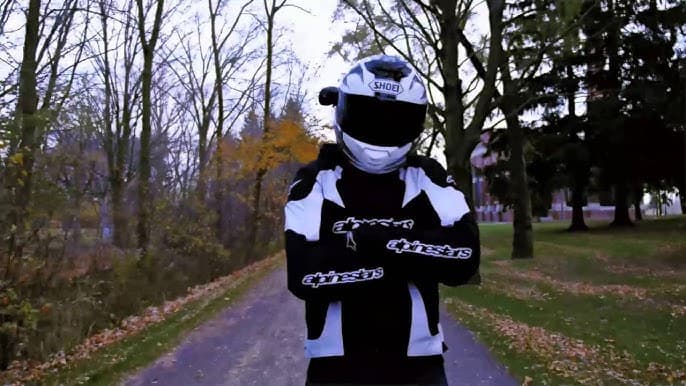
Your helmet is non-negotiable. It protects the one part of your body that cannot heal from serious trauma. A good full-face helmet with ECE 22.06 certification is the single best investment you will make as a rider.
Here is what matters when buying a helmet:
- Full-face design - Around 35-45% of all helmet impacts hit the chin bar area. Half helmets and open-face helmets leave your face completely exposed. Always go full-face for your first (and ideally every) helmet.
- Safety certification - Look for ECE 22.06 at minimum. DOT alone is a lower standard with less rigorous testing.
- Fit over brand - A $200 helmet that fits your head shape perfectly will protect you better than a $600 helmet that wobbles.
We break down specific helmet recommendations, head shape fitting, visor options, and budget picks in our full helmet guide.
Read the full guide: Best Motorcycle Helmets for Beginners in 2026
Jackets, Gloves, Boots, and Pants
After the helmet, you need to protect the rest of your body. The priority order is simple:
- Gloves - Your hands instinctively reach out in a fall. They hit first. Motorcycle gloves with hard knuckle armor and palm sliders are critical.
- Jacket - Protects your torso, shoulders, elbows, and back. Look for CE-rated armor in the shoulders and elbows, and a back protector pocket at minimum.
- Boots - Ankle injuries are one of the most common motorcycle crash injuries. You need over-ankle boots with torsion resistance and a stiff sole.
- Pants - Your femoral artery runs through your thigh. A puncture there can be fatal in minutes. Riding jeans with Kevlar lining and knee armor are the minimum.
We cover materials (leather vs textile vs mesh), fit, armor ratings, and budget recommendations for every piece in our complete gear guide.
Read the full guide: The Complete Motorcycle Riding Gear Guide for Beginners
Winter Riding Gear
Riding in cold weather is a completely different challenge. Regular summer gear will not cut it when temperatures drop below 50F. You need insulated layers, wind-blocking materials, heated gear, and proper hand protection.
Cold hands are not just uncomfortable - they are dangerous. Numb fingers mean slow reaction times on the brake and clutch. Cold core temperature leads to mental fog and slower decision-making. Both of those kill riders.
Our winter gear guide covers heated gloves, heated jacket liners, thermal base layers, wind-blocking neck gaiters, and the layering system that keeps you warm without turning you into a stiff, immobile marshmallow.
Read the full guide: Winter Motorcycle Riding Gear Guide
Hearing Protection
This one catches new riders off guard. Wind noise at highway speed is around 95-105 dB - well above the threshold for permanent hearing damage, as documented by the CDC's National Institute for Occupational Safety and Health. Ride without earplugs regularly and you WILL lose hearing over time. This is not a maybe. It is a medical certainty.
The fix is cheap and easy: a good pair of motorcycle-specific earplugs costs $15-30 and reduces noise to safe levels while still allowing you to hear traffic, horns, and your engine. Custom-molded earplugs are even better and run about $50-100.
We cover foam plugs vs silicone vs custom-molded, NRR ratings, how to choose the right fit, and our top picks for every budget.
Read the full guide: Motorcycle Ear Plugs and Hearing Protection Guide
Airbag Vests
Airbag technology for motorcyclists has gotten incredibly good in recent years. These vests and jackets use sensors (or a tether cable) to detect a crash and deploy airbag protection around your neck, chest, and back in milliseconds.
Are they necessary for every rider? No. Are they worth considering if you ride frequently, commute in traffic, or do any spirited riding? Absolutely. The data shows airbag vests reduce the force of impact to the torso by up to 90%. That is a massive difference.
Our guide covers tethered vs electronic systems, the major brands (Alpinestars Tech-Air, Dainese Smart Jacket, Helite, In&Motion), pricing, and who should actually invest in one.
Read the full guide: Motorcycle Airbag Vests Guide
Ergonomics and Comfort
Gear is not just about crash protection. If your riding position is wrong, your gear does not fit properly, or your bike is not set up for your body, you will be miserable on every ride - and discomfort leads to fatigue, which leads to mistakes.
Getting your motorcycle ergonomics right involves handlebar position, seat height, footpeg placement, lever reach, and how your gear interacts with all of it. A jacket that bunches up at the waist because your riding position is too aggressive, gloves that cramp your hands because the controls are too far away - these things compound over hours in the saddle.
Our ergonomics guide covers how to dial in your riding position, what modifications actually help, and how to assess whether your bike fits your body.
Read the full guide: Motorcycle Ergonomics and Fit Guide
Tech Accessories: Comms, Cameras, Mounts, and Dashcams
Once you have the essential protective gear sorted, tech accessories can dramatically improve your riding experience. These are not strictly safety gear, but many of them serve safety purposes too.
Bluetooth Communicators
A Bluetooth communicator lets you listen to music, take calls, get GPS directions, and talk to riding buddies - all without taking your hands off the bars or your eyes off the road. The two dominant brands are Cardo and Sena, and picking between them depends on your priorities.
We compare every model in both lineups, cover sound quality, mesh intercom range, app features, and which one makes sense for solo vs group riders.
Read the full guide: Cardo vs Sena: Best Motorcycle Communicator
Action Cameras
Recording your rides is not just for content creators. Camera footage is your best witness in an accident - it can prove you were not at fault and save you thousands in insurance disputes.
The Insta360 lineup is particularly popular with motorcycle riders because 360-degree cameras let you reframe the shot after the ride, meaning you mount it once and get every angle. We cover every Insta360 model that works for motorcycle use, mounting options, and what settings to use.
Read the full guide: Insta360 Cameras for Motorcycles: Complete Guide
Phone Mounts
Your phone is your GPS, your music player, and your communication hub. But vibration from your motorcycle can destroy your phone camera over time. You need a mount that holds your phone securely AND dampens vibrations.
Quad Lock has become the gold standard for motorcycle phone mounting. We review every product in their motorcycle lineup - handlebar mounts, fork stem mounts, mirror mounts, vibration dampeners, and wireless charging heads.
Read the full guide: Quad Lock Motorcycle Mount Review: Every Product
Dashcams
A dedicated motorcycle dashcam runs continuously, records in a loop, saves footage automatically when it detects an impact, and does not drain your phone battery. If you commute or ride in traffic regularly, a dashcam is cheap insurance.
We cover front-and-rear setups, hardwired vs battery-powered options, video quality, and the best dashcams for different budgets.
Read the full guide: Motorcycle Dashcam Guide
Browse All Gear Recommendations
Looking for specific product picks? Our dedicated gear page collects our top-rated gear recommendations across every category in one place. Helmets, jackets, gloves, boots, communicators, cameras, tools, and more - all vetted by riders who actually use this stuff.
Browse all gear: Motorcycle Gear Recommendations
How to Build Your Gear Kit on a Budget
If you are starting from zero, here is a realistic budget breakdown for a complete gear setup:
Budget Kit (around $500-700):
- Helmet: $150-250 (Scorpion EXO or HJC i-series)
- Gloves: $40-60 (hard knuckle, short cuff)
- Jacket: $150-200 (textile with CE armor)
- Boots: $80-120 (over-ankle, stiff sole)
- Earplugs: $15-25 (foam or reusable silicone)
Mid-Range Kit (around $1,000-1,500):
- Helmet: $300-500 (Shoei or AGV)
- Gloves: $80-120 (gauntlet style, CE-rated)
- Jacket: $250-400 (leather or premium textile)
- Pants: $150-200 (riding jeans with armor)
- Boots: $150-200 (sport or touring boots)
- Earplugs: $25-50 (musician-grade or custom)
Premium Kit (around $2,000-3,000+):
- Everything above, plus airbag vest ($400-700), Bluetooth communicator ($200-350), and a quality camera setup ($300-500).
The key takeaway: start with the essentials, buy the best you can afford in each category, and upgrade over time. A budget helmet that fits well is infinitely better than no helmet at all.
The Bottom Line
Gear is not about looking cool or checking boxes. It is about making sure a bad moment on the road stays a bad moment - not a life-changing catastrophe. Every piece of gear you wear is a decision to ride another day.
Start with the guides linked above, build your kit piece by piece, and never compromise on the helmet. That is the one piece where spending more almost always means better protection.
Ride safe out there.
Frequently Asked Questions
How much should a beginner spend on motorcycle gear?
A complete beginner gear setup costs $500 to $700 for budget options or $1,000 to $1,500 for mid-range. Start with a helmet and gloves first if you cannot buy everything at once, then add a jacket, boots, and pants as your budget allows.
What is the most important piece of motorcycle gear?
The helmet is the most important piece of motorcycle gear by a wide margin. It protects your brain, which cannot recover from serious trauma. Always buy a full-face helmet with ECE 22.06 certification and make sure it fits your head shape properly.
Do I need to wear motorcycle gear for short rides?
Yes. Most motorcycle accidents happen within five miles of home and at speeds under 40 mph. Road rash at 25 mph is severe enough to require medical treatment. Wear your gear on every ride regardless of distance.
How often should motorcycle gear be replaced?
Helmets should be replaced every five years or immediately after any impact. Textile jackets and pants last three to five years with regular use. Leather gear lasts longer if properly maintained. Gloves and boots should be replaced when they show visible wear to armor or stitching.
Is expensive motorcycle gear actually better than budget gear?
Not always. The most critical factor is proper fit and CE-rated armor. A $200 jacket with CE Level 2 armor that fits well can protect you just as effectively as a $600 jacket in a crash. Where premium gear excels is comfort, ventilation, weight, and durability over time.
Written by
6FOOT4HONDAMotorcycle creator with 1.2M+ subscribers on YouTube and 2M+ across all platforms. Riding and filming since 2016, with 1,000+ videos covering beginner riding tips, gear reviews, stunts, and road trips. Every product recommended on this site has been personally tested on real rides — from highway touring to track days to stunt sessions. Based in the US, riding year-round.
Related Articles
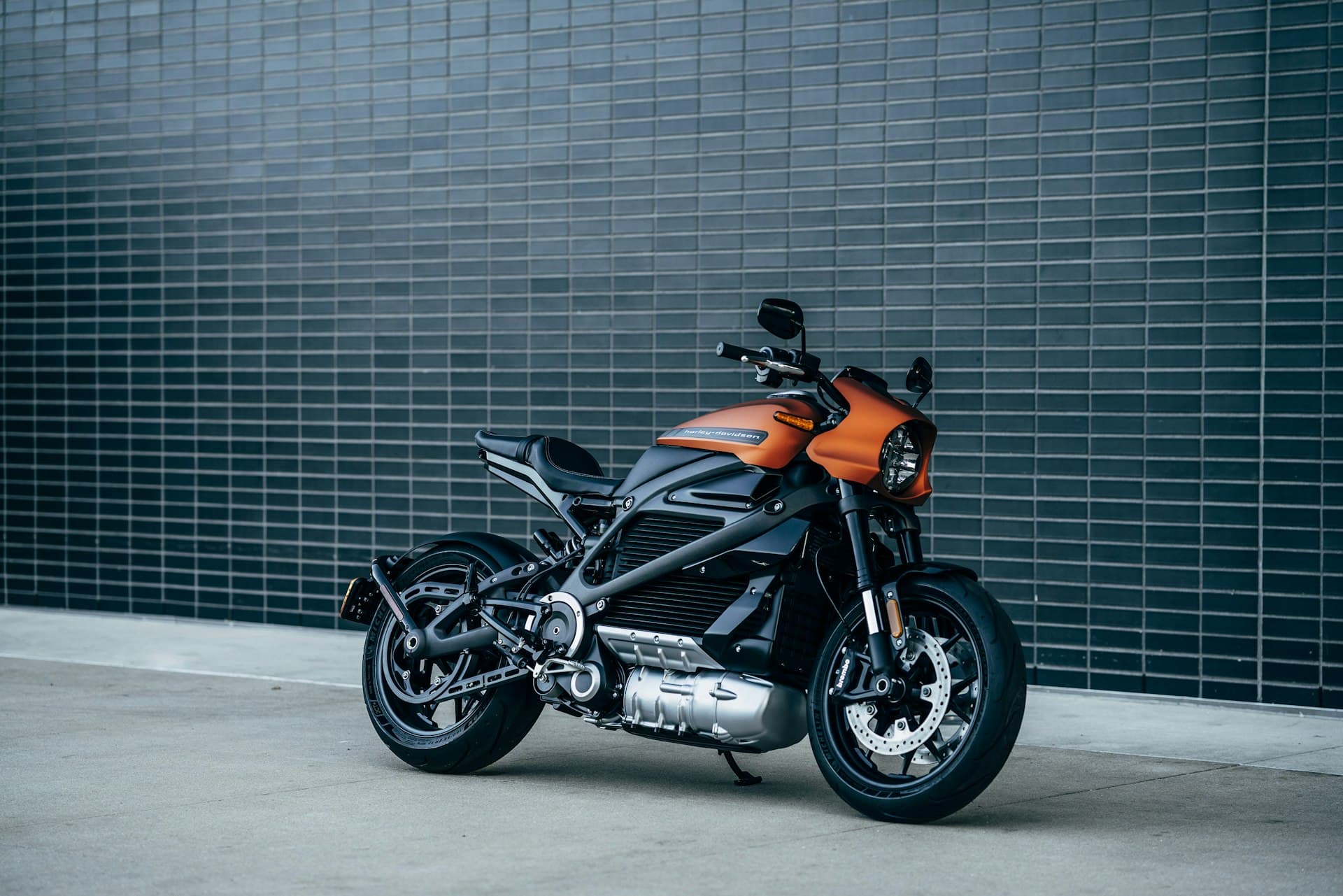
The Complete Motorcycle Riding Gear Guide for Beginners
Everything you need to wear before your first ride — from helmet to boots. No fluff, just what actually protects you and why it matters.
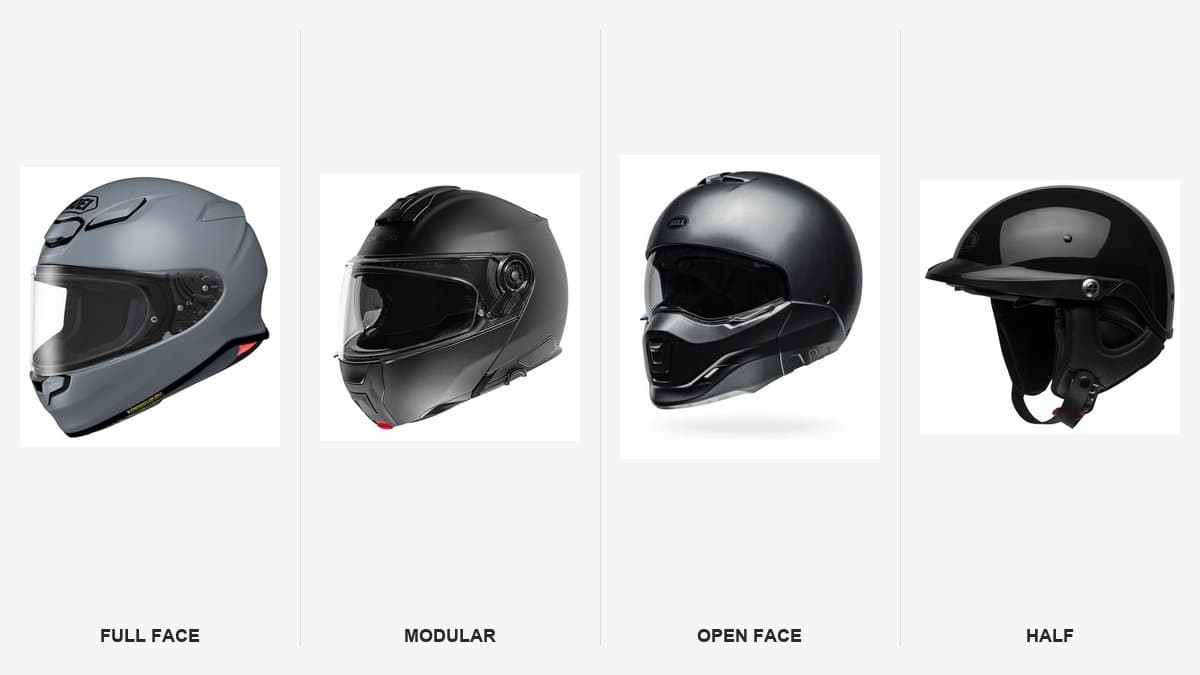
Full Face vs Modular vs Half Helmet 2026
I've worn all 4 helmet types. Full face wins for beginners — here's noise data, safety stats, and top picks.
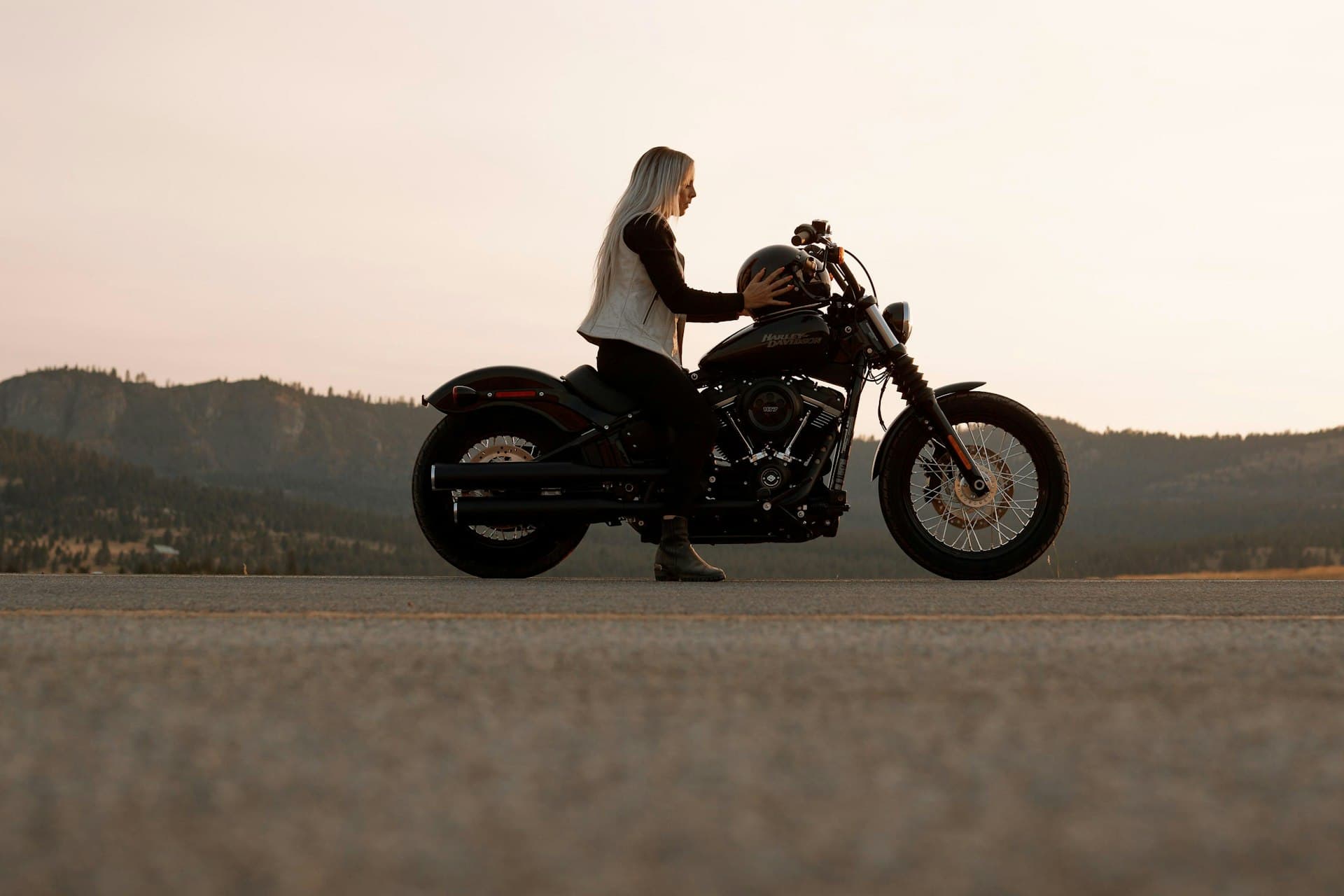
Best Motorcycle Helmets Under $200 (Safety Tested, 2026)
You don't need to spend $500 for a safe helmet. These are the 7 best motorcycle helmets under $200 — Snell and ECE certified options that protect as well as helmets costing twice the price.