The Complete Beginner's Guide to Motorcycles (2026)
By 6FOOT4HONDA · 20 min read · Mar 3, 2026 · Updated Mar 4, 2026
This post may contain affiliate links. We only recommend gear we'd use ourselves. If you click a link and make a purchase, we may earn a small commission at no extra cost to you.
In This Article
This is the starting point. If you have never ridden a motorcycle and want to know how to get from zero to confidently riding on the street, this page links to every guide you need, in the order you need them.
Every guide on this site is written for someone who might not know the difference between a clutch and a throttle yet. No jargon without explanation. No assumptions about what you already know.
Start with the MSF Basic RiderCourse, buy a used beginner-friendly bike (250-400cc), invest in full ATGATT gear before your first ride, and expect to spend $4,000-7,000 total to get started including the bike, gear, insurance, and licensing.
Step 1: Get Your License
Before you touch a motorcycle, get trained and licensed. The MSF (Motorcycle Safety Foundation) Basic RiderCourse is the fastest, safest path. You ride their bikes, learn on their range, and most states waive the DMV riding test when you pass.
Read the full guide: How to Get Your Motorcycle License (Every Path Explained)
Step 2: Understand the Cost
A motorcycle is cheaper than a car — but it is not cheap. Between the bike, gear, insurance, and maintenance, you need to know the real numbers before you commit.
Read the full guide: The Real Cost of Owning a Motorcycle (Full Breakdown)
Step 3: Choose Your First Bike
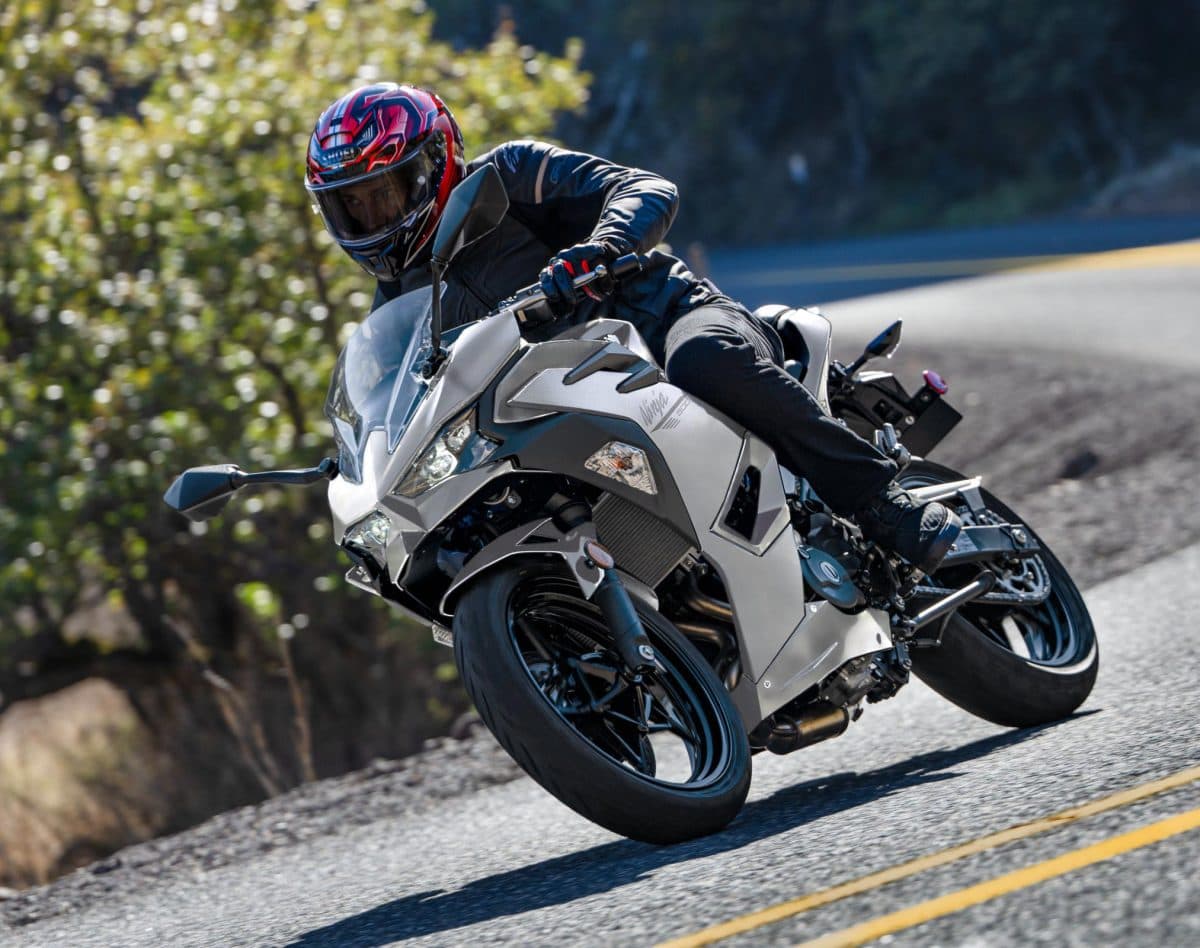
Your first motorcycle should be forgiving, affordable, and fun. Not a 200-horsepower superbike. Not a 800-lb touring barge. Something in the 300-500cc range that lets you build skills without overwhelming you.
Read the full guide: Best Beginner Motorcycles in 2026
Step 4: Buy Smart (New or Used)
Buying used saves thousands and lets you drop your first bike without crying. But you need to know what to look for — and what to walk away from.
Read the full guide: How to Buy a Used Motorcycle (Without Getting Burned)
Step 5: Get Insured
Liability-only is the legal minimum in most states. But comprehensive coverage protects you from theft, vandalism, and the guy who runs a red light into your bike.
Read the full guide: Motorcycle Insurance for Beginners: What You Actually Need
Step 6: Gear Up
A helmet, jacket, gloves, boots, and pants. That is the minimum. NHTSA research confirms that helmets alone are 37% effective at preventing rider deaths. Every piece exists to protect a specific body part that will hit the ground if you go down.
Read the full guide: Complete Motorcycle Riding Gear Guide
Helmet deep-dive: Best Motorcycle Helmets for Beginners
Jackets: Best Motorcycle Jackets for Beginners
Boots: Best Motorcycle Boots for Beginners
Gloves: Best Motorcycle Gloves for Every Season
Winter gear: Winter Motorcycle Riding Gear Guide
Rain gear: Best Motorcycle Rain Gear and Rain Suits
Hearing protection: Motorcycle Ear Plugs and Hearing Protection Guide
Earplugs: Best Motorcycle Earplugs for Wind Noise
Backpacks: Best Motorcycle Backpacks and Bags
Step 7: Learn the Essential Skills
Once you are licensed and geared up, these riding skills will keep you safe on the street:
- How to Ride in Traffic (Urban Survival Guide) — Where 60% of motorcycle accidents happen
- Cornering and Countersteering Guide — The physics of turning a motorcycle
- How to Ride in Rain — Wet weather technique and gear
- How to Ride in Wind — Crosswind and gust handling
- Night Riding Safety Guide — Visibility and technique after dark
- How to Ride with a Passenger — When you are ready for a pillion
- How to Pick Up a Dropped Motorcycle — It will happen. Be ready.
Step 8: Maintain Your Bike
A motorcycle needs more frequent maintenance than a car. Chain lubing, tire checks, oil changes, and seasonal storage are part of the deal.
- Motorcycle Chain Maintenance Guide — Every 300-600 miles
- Motorcycle Tires Guide — Sizes, types, and when to replace
- How to Clean Your Motorcycle — Without damaging paint or electronics
- Motorcycle Storage and Winterization Guide — Off-season prep
- Best Motorcycle Tool Kits — What to carry for roadside repairs
Step 9: Protect Your Investment
Motorcycles are easy to steal and easy to drop. Protect both scenarios.
- Motorcycle Anti-Theft and Locks Guide — Layered security approach
- Best Motorcycle Locks — Disc locks, chain locks, and U-locks compared
- Best Motorcycle GPS Trackers — Track your bike if it's stolen
- Best Motorcycle Covers — Indoor and outdoor protection
- Motorcycle Ergonomics and Fit Guide — Make your bike comfortable
- Best Motorcycle Apps — Route planning, crash detection, and community
Step 10: Enjoy the Ride
Once the fundamentals are covered, riding opens up:
- Your First Motorcycle Road Trip — Planning, packing, and route strategy
- Motorcycle Camping for Beginners — Moto camping gear and technique
- What to Do After a Motorcycle Crash — The guide you hope you never need
Tech and Accessories
- Cardo vs Sena: Best Motorcycle Communicator — Bluetooth intercom comparison
- Insta360 Cameras for Motorcycles — Action camera guide
- Quad Lock Motorcycle Mount Review — Phone mounting
- Motorcycle Dashcam Guide — Recording your rides
- Motorcycle Airbag Vests Guide — The future of rider protection
This page is your roadmap. Bookmark it, work through the guides in order, and you will be a confident, safe rider faster than you think.
Frequently Asked Questions
How long does it take to learn to ride a motorcycle?
Most riders complete the MSF Basic RiderCourse in one weekend (2 days). After that, expect 1-3 months of regular practice riding to feel truly comfortable in traffic, parking lots, and on highways.
How much does it cost to start riding motorcycles?
Budget roughly $3,000-8,000 total to start. That includes a used beginner bike ($2,000-5,000), essential gear ($500-1,500), MSF course ($200-400), insurance ($500-1,500 per year), and licensing fees ($30-100).
What is the best first motorcycle for a beginner?
The Kawasaki Ninja 500, Honda CBR500R, and Yamaha MT-03 are top choices for 2026. They offer enough power for highways, are forgiving of mistakes, and hold resale value well when you upgrade.
Do I need to take a motorcycle safety course?
Yes. The MSF Basic RiderCourse teaches fundamentals on their bikes in a controlled environment, and most states waive the DMV riding test if you pass. It is the safest and fastest way to get licensed.
Is riding a motorcycle dangerous?
Motorcycles carry higher risk than cars per mile traveled. But proper training, quality gear, defensive riding habits, and staying sober dramatically reduce that risk. Most accidents are preventable with the right skills and awareness.
Written by
6FOOT4HONDAMotorcycle creator with 1.2M+ subscribers on YouTube and 2M+ across all platforms. Riding and filming since 2016, with 1,000+ videos covering beginner riding tips, gear reviews, stunts, and road trips. Every product recommended on this site has been personally tested on real rides — from highway touring to track days to stunt sessions. Based in the US, riding year-round.
Related Articles
Is a Motorcycle Worth It? (Costs, Risks, Benefits)
A motorcycle is worth it if you budget $4,000-$8,000 for year one and understand the real risks. Honest breakdown from a rider with 1M+ subscribers.
How to Convince Your Parents (or Partner) to Let You Get a Motorcycle
How to convince your parents or partner to let you ride. Real data, proven strategies, and specific actions that actually change minds.
How to Buy a Used Motorcycle: The Complete Beginner's Inspection Guide (2026)
The step-by-step checklist for buying your first used motorcycle without getting scammed. What to inspect, what to ask, and when to walk away.