How to Store Your Motorcycle for Winter: The Complete Winterization Checklist
By 6FOOT4HONDA · 11 min read · Mar 3, 2026 · Updated Mar 4, 2026
This post may contain affiliate links. We only recommend gear we'd use ourselves. If you click a link and make a purchase, we may earn a small commission at no extra cost to you.
In This Article
To store a motorcycle for winter, fill the tank and add fuel stabilizer, connect a battery tender, change the oil and filter, clean and lube the chain, inflate tires above spec or use stands to prevent flat spots, wash and wax all surfaces, and cover with a breathable motorcycle cover. This 45-minute process prevents all common storage damage.
Every spring, thousands of riders pull the cover off their bike, turn the key, and... nothing. Dead battery. Or worse — they get it running and discover the fuel system is gummed up, the tires have flat spots, and there's rust on the chain and brake rotors.
A motorcycle that sits for 3-5 months without preparation will degrade. Fuel goes bad. Batteries die. Rubber dries out. Metal corrodes. But 30-45 minutes of prep before storage prevents all of it.
This is the winterization checklist. Do it once in the fall, and your bike fires up perfectly in the spring.
The Complete Winterization Checklist
1. Fuel System
Old gasoline is the #1 cause of spring startup problems. Gasoline starts degrading after 30 days. After 3-4 months, it turns into a varnish that clogs carburetors, injectors, and fuel lines.
What to do:
- Fill the tank completely. A full tank minimizes the air space where condensation forms. Condensation = water in your fuel system = rust inside the tank.
- Add fuel stabilizer. Products like Sta-Bil or Sea Foam prevent fuel from breaking down for up to 12 months. Add the stabilizer to a full tank.
- Run the engine for 5-10 minutes after adding stabilizer. This circulates treated fuel through the entire system — carbs/injectors, fuel lines, and fuel pump.
STA-BIL Fuel Stabilizer
The most widely recommended fuel stabilizer for motorcycles. Prevents fuel degradation for up to 24 months. Add it to a full tank, run the engine for 5-10 minutes, and your fuel system is protected all winter. One bottle treats multiple tanks. Under $10.
For carbureted bikes: After running treated fuel through the system, turn the petcock to OFF and let the engine run until it stalls. This drains the carburetor float bowls. Old fuel sitting in carb bowls is the #1 cause of clogged jets and hard starting in spring. Fuel-injected bikes don't need this step.
2. Battery
A motorcycle battery that sits without charging for 3-4 months will die. Not "go low" — die permanently. Lead-acid batteries sulfate when fully discharged, and the damage is irreversible.
What to do:
Option A (Best): Leave a battery tender connected all winter.
Battery Tender Junior
The industry standard battery maintainer. Plug it into the wall, connect it to your battery (via included pigtail that stays permanently wired to your battery terminals), and forget about it. It monitors the charge level and tops it off automatically without overcharging. Your battery will be 100% charged on the first warm day in spring. Under $25.
Option B: Remove the battery and store it indoors. If you can't plug in a tender (outdoor storage, no power outlet), disconnect the battery and bring it inside. Store it on a wood or plastic surface (not concrete — old wives' tale, but wood insulates from cold floors). Charge it once a month with a standard battery charger.
What NOT to do: Leave the battery connected to the bike with no tender. Even with the ignition off, the clock, ECU, and alarm system (if equipped) draw a tiny parasitic current that drains the battery over months.
3. Oil Change
Change the oil BEFORE storage, not after. Used oil contains acids, combustion byproducts, and moisture that corrode engine internals over time. Fresh oil protects the engine during the months it sits idle.
- Warm the engine to operating temperature (this suspends contaminants in the oil)
- Drain the old oil
- Replace the oil filter
- Fill with fresh oil to spec
This also means your bike is ready to ride on the first warm day — no spring oil change needed.
4. Chain
A dry, unlubricated chain develops rust fast when sitting in a cold, damp garage.
- Clean the chain thoroughly
- Apply a generous coat of chain lube
- The lube protects against moisture and corrosion all winter
See our chain maintenance guide for the full cleaning and lubing process.
5. Tires
Tires develop flat spots when a bike sits in one position for months. The weight of the bike compresses the rubber against the floor, creating a flat area that causes vibration when you ride again.
Best solution: Get the tires off the ground.
- Use a front and rear stand to lift both wheels off the floor. This eliminates flat spots entirely.
- If you only have a rear stand, put the bike on it and slightly overinflate the front tire (add 5-10 PSI above spec) to reduce the flat spot on the front. Deflate to proper pressure before riding.
- If you don't have stands, inflate both tires 5-10 PSI above spec and rotate the bike slightly every 2-3 weeks to change the contact point.
Check out our motorcycle stands guide if you need stands.
A motorcycle stand pays for itself in tire longevity alone. A set of flat-spotted tires costs $300-500 to replace. A rear stand costs $50-100 and prevents the problem entirely. Plus it makes chain maintenance 10x easier year-round.
6. Wash and Protect
Wash the bike thoroughly before storage. Road salt, grime, and bug splatter corrode paint, chrome, and aluminum over months of sitting.
After washing:
- Apply wax or paint sealant to all painted surfaces
- Spray exposed metal (fork tubes, bolts, engine cases) with a corrosion protectant
- Apply rubber protectant to seals and hoses to prevent drying and cracking
- Stuff a clean rag (lightly oiled) into each exhaust outlet to prevent moisture and critters from entering
See our motorcycle cleaning guide for the full wash process.
7. Coolant Check (Liquid-Cooled Bikes)
Verify your coolant mixture is rated for the temperatures in your storage area. A 50/50 mix of coolant and distilled water protects to approximately -34°F. If your garage is unheated and you live in a cold climate, check that the coolant hasn't been diluted by previous top-offs with straight water.
Freezing coolant expands and cracks engine cases, radiators, and water pump housings. This is an expensive problem that's completely preventable.
8. Cover the Bike
Use a breathable motorcycle cover, not a plastic tarp. A tarp traps moisture underneath and creates a condensation chamber that accelerates rust and corrosion — the opposite of what you want. See our best motorcycle covers guide for indoor and outdoor recommendations.
A breathable cover allows moisture to evaporate while keeping dust, dirt, and UV light off the bike.
Motorcycle Cover (Breathable)
A fitted, breathable motorcycle cover keeps dust, moisture, and UV light off your bike during storage. Look for one with a soft inner lining (won't scratch paint), vents for moisture escape, and tie-down grommets. Under $30 for a quality cover that lasts years.
9. Optional: Fog the Cylinders
For long-term storage (6+ months), spraying fogging oil into the cylinders prevents rust on the cylinder walls. Remove the spark plugs, spray fogging oil into each cylinder, crank the engine briefly (with plugs removed) to distribute the oil, then reinstall the plugs.
This step is optional for 3-4 month winter storage but recommended for 6+ month periods.
Storage Location Considerations
| Location | Pros | Cons |
|---|---|---|
| Heated garage | Temperature stable, dry, ideal | Not available to everyone |
| Unheated garage | Protected from weather | Temperature swings cause condensation |
| Outdoor with cover | Cheap, accessible | Moisture, temperature extremes, theft risk |
| Storage unit | Secure, weather-protected | Cost ($50-100/month), no power for battery tender |
If you store in an unheated garage: Place a moisture absorber (like DampRid) near the bike to reduce ambient humidity. This simple step significantly reduces condensation-related corrosion.
If you store outdoors: In addition to a breathable cover, consider a quality lock and chain through the frame or wheel. A covered motorcycle is a target for theft because it's obviously being stored and not checked daily. A GPS tracker is also worth considering for outdoor winter storage — if someone does steal your bike, you'll know exactly where it is within minutes.
The Spring Wake-Up Checklist
When the first warm day hits and you want to ride:
- Remove the cover and exhaust rags. Inspect for any signs of rodent activity (chewed wires, nesting material).
- Check tire pressure. Tires lose pressure over winter. Inflate to spec before riding.
- Reconnect the battery (if removed) or disconnect the battery tender.
- Check all fluids. Oil level, coolant level, brake fluid level. Top off if needed.
- Inspect the chain. Should still have lube from your pre-storage application. If it looks dry, re-lube.
- Check the brakes. The first few brake applications may feel spongy as the pads re-seat against the rotors. Ride slowly in your driveway and pump the brakes a few times before hitting the road.
- Start the engine. It may take a few extra seconds to fire up. Let it idle for 3-5 minutes to warm up and circulate oil through the entire engine.
- Take a short test ride. Ride around the neighborhood for 10-15 minutes. Check that everything feels normal — brakes, shifting, handling, lights. Don't hit the highway immediately.
Your skills are rusty too. After 3-4 months off the bike, your muscle memory has degraded. Your first ride of the season should be slow, short, and in low-traffic conditions. Treat it like a warmup. Your brain needs to recalibrate before you ride at full pace.
Quick Reference: Pre-Storage Checklist
Print this and check off each item before you cover the bike for winter:
- Fill tank + add fuel stabilizer, run engine 10 minutes
- Drain carb float bowls (carbureted bikes only)
- Connect battery tender (or remove battery, store indoors)
- Change oil and filter
- Clean and lube chain
- Inflate tires +5-10 PSI (or put bike on stands)
- Wash bike, apply wax and corrosion protectant
- Check coolant concentration
- Stuff rags in exhaust outlets
- Place breathable cover over bike
- Set reminder for monthly tire rotation (if no stands)
45 minutes of prep in November saves hours of frustration in March. Your spring self will thank your fall self.
Frequently Asked Questions
How long can a motorcycle sit without being started?
A properly winterized motorcycle can sit for 3-5 months without problems. Without preparation, fuel degrades after 30 days, batteries die within 3-4 months, and tires develop flat spots. Always use fuel stabilizer and a battery tender for extended storage.
Should I change motorcycle oil before or after winter storage?
Change the oil before storage, not after. Used oil contains acids, combustion byproducts, and moisture that corrode engine internals while the bike sits idle. Fresh oil protects the engine during storage and means your bike is ready to ride on the first warm day.
Do I need a battery tender for winter motorcycle storage?
Yes, a battery tender is essential for winter storage. A motorcycle battery that sits without charging for 3-4 months will die permanently due to sulfation. A Battery Tender Junior costs under $25 and automatically maintains the charge all winter.
How do I prevent flat spots on motorcycle tires during storage?
The best method is lifting both wheels off the ground with front and rear stands. If you do not have stands, inflate tires 5-10 PSI above the recommended pressure and rotate the bike slightly every 2-3 weeks to change the contact point.
Should I cover my motorcycle with a tarp for winter?
Never use a plastic tarp because it traps moisture underneath and creates condensation that accelerates rust and corrosion. Use a breathable motorcycle cover that allows moisture to evaporate while keeping dust, dirt, and UV light off the bike.
Written by
6FOOT4HONDAMotorcycle creator with 1.2M+ subscribers on YouTube and 2M+ across all platforms. Riding and filming since 2016, with 1,000+ videos covering beginner riding tips, gear reviews, stunts, and road trips. Every product recommended on this site has been personally tested on real rides — from highway touring to track days to stunt sessions. Based in the US, riding year-round.
Related Articles
Motorcycle Maintenance for Beginners: The Complete Guide (2026)
Everything you need to know about maintaining your motorcycle - chain care, tires, cleaning, storage, security, and the real cost of ownership. Your complete maintenance hub.
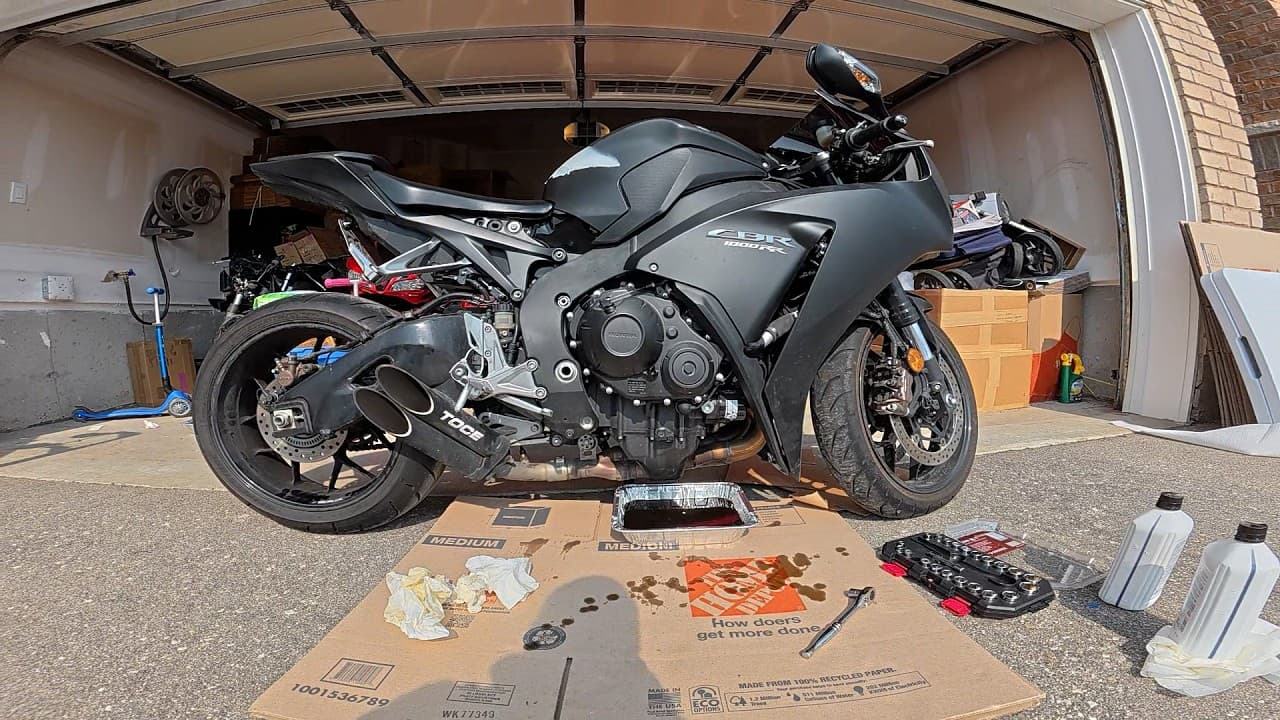
How to Change Motorcycle Oil: Step-by-Step Guide for Beginners (2026)
Change your motorcycle oil in 30 minutes with basic tools. Step-by-step instructions, what oil to use, how often to change it, and the tools you need.
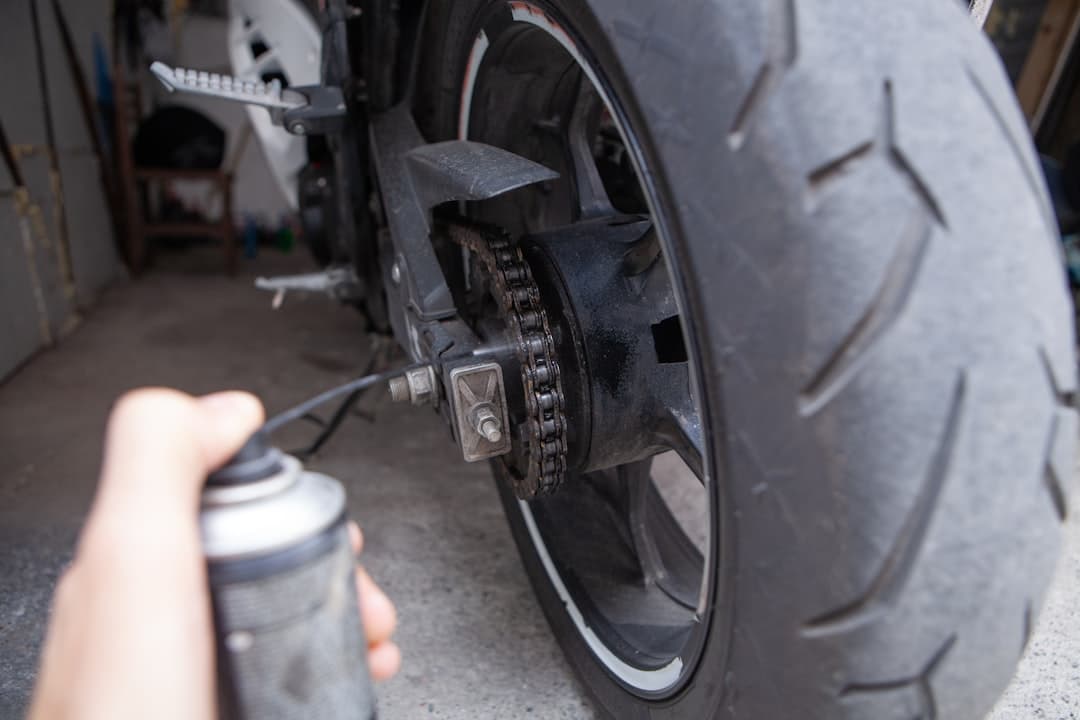
Motorcycle Chain Maintenance: The Complete Cleaning & Lubing Guide (2026)
A dirty chain kills your sprockets, eats your power, and can snap at highway speed. Here's how to clean, lube, and adjust your motorcycle chain in 15 minutes.