How to Plan Your First Motorcycle Road Trip (2026 Guide)
By 6FOOT4HONDA · 15 min read · Mar 3, 2026 · Updated Mar 4, 2026
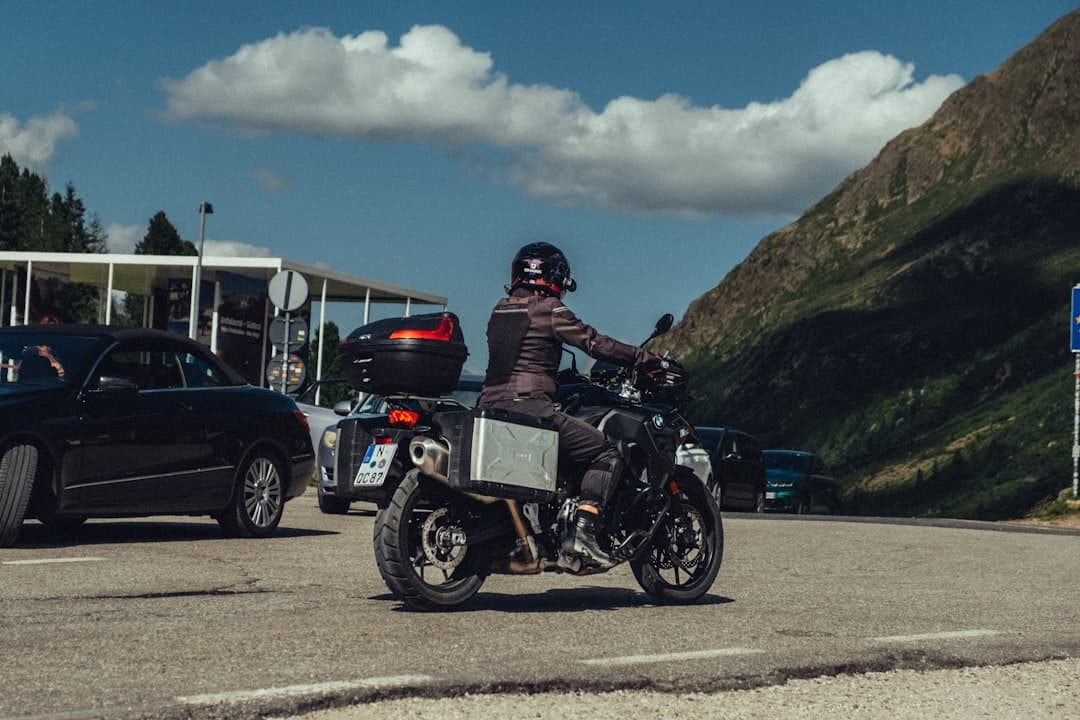
This post may contain affiliate links. We only recommend gear we'd use ourselves. If you click a link and make a purchase, we may earn a small commission at no extra cost to you.
In This Article
Your first motorcycle road trip will change how you think about riding. The difference between a 30-minute commute and a 3-day ride through mountains you've never seen is the difference between owning a motorcycle and being a motorcyclist.
But planning your first trip is intimidating. How far can you ride in a day? What happens when your bike breaks down 200 miles from home? How much luggage can you actually carry? Where do you sleep?
Every one of those questions has a simple answer. This guide covers all of them.
Before You Go: Bike Prep
Your motorcycle doesn't care if you're riding 10 miles to work or 1,000 miles to Colorado. But YOU care if something breaks at mile 500. Do this before any multi-day trip.
The Pre-Trip Checklist
T-CLOCS — the MSF's pre-ride inspection that works perfectly as a pre-trip checklist:
- T - Tires: Check pressure (cold), tread depth (use the penny test), and sidewall condition. If your tires are marginal, replace them before the trip — not during.
- C - Controls: Throttle snaps back freely, clutch and brake levers work smoothly, cables aren't frayed.
- L - Lights: Headlight (high/low), tail light, brake light (both levers), turn signals, horn. All working.
- O - Oil and fluids: Oil level correct, coolant level correct, brake fluid clear and full. Check for leaks under the bike.
- C - Chassis: Chain tension and lubrication, steering head bearings (no notchiness), suspension feels normal.
- S - Stands: Side stand spring returns firmly, center stand (if equipped) locks in place.
Get an oil change if you're within 500 miles of your service interval. You don't want to hit your oil change mileage mid-trip and either skip it or spend half a day finding a shop in an unfamiliar town.
Emergency Kit
You don't need to bring your entire toolbox. You need the stuff that can get you out of a roadside situation. See our complete motorcycle tool kit guide for detailed recommendations.
| Item | Why |
|---|---|
| Tire plug kit + CO2 inflators | Fix a flat on the roadside in 10 minutes |
| Basic toolkit (specific to your bike) | Tighten bolts, adjust chain, fix minor issues |
| Zip ties (assorted sizes) | Temporary fix for almost anything — fairings, luggage, turn signals |
| Electrical tape | Temporary wire fixes, securing loose items |
| Spare fuses | A blown fuse can kill your entire electrical system. Carry 2-3 of each size your bike uses |
| Spare clutch/brake lever | A dropped bike at a gas station can snap a lever. A spare lever and a wrench gets you back on the road |
| Phone charger / USB cable | Navigation, communication, emergencies |
Dynaplug Racer Tire Repair Kit
The fastest, most compact tire plug system available. Brass-tipped plugs insert permanently without removing the object. The entire kit fits in your jacket pocket. This has saved more road trips than any other single product. Under $40.
Route Planning
How Far Can You Ride in a Day?
Beginner rule: 200-300 miles per day maximum.
That might sound low, but here's the math. At a 60 mph average (accounting for stops, gas, food, photos, and slower sections), 300 miles takes 5 hours of seat time. Add gas stops, lunch, and breaks — you're at 7-8 hours on the road. That's a full day.
Experienced touring riders cover 400-600 miles per day, but they've built seat endurance over years and ride bikes designed for comfort (Gold Wings, touring Harleys, big BMW GTs). On a Ninja 500 or MT-07 with no windscreen, 300 miles of highway will have your butt and back begging for mercy.
For your first road trip: Plan 200-250 miles per day. Better to arrive early and explore than to push through fatigue and make mistakes.
Fuel Range Planning
Know your bike's fuel range before you leave. Tank size (gallons) x average MPG = maximum range. Then subtract 10-15% for safety margin.
Example: A Ninja 500 has a 3.7-gallon tank and gets about 60 MPG. That's 222 miles max range. With a safety margin: plan gas stops every 180-190 miles.
In the western US, gas stations can be 80-100+ miles apart. If you're riding through Nevada, Utah, Wyoming, or rural anywhere — plan your fuel stops in advance. Running out of gas on a desert highway with no cell service is a genuinely dangerous situation.
The Best Route Isn't the Fastest Route
Interstates get you there fastest. They're also the most boring, most fatiguing, and most dangerous (high speed + semis + wind). Whenever possible, take secondary roads.
Route planning strategy:
- Plot your destination in Google Maps
- Look at the route it suggests (usually Interstate)
- Click and drag the route onto nearby US highways, state highways, and county roads
- Zoom into satellite view and look for roads that follow rivers, ridgelines, and mountain passes — these are almost always spectacular riding roads
- Check the route in Calimoto or REVER, which specifically find the twistiest and most scenic alternatives
Famous motorcycle roads worth building a trip around:
- Tail of the Dragon (US-129, NC/TN) — 318 curves in 11 miles
- Blue Ridge Parkway (VA to NC) — 469 miles of scenic ridge-top riding
- Pacific Coast Highway (CA) — The classic coastal route
- Beartooth Highway (MT/WY) — Mountain passes at 10,000+ feet
- Skyline Drive (VA) — Shenandoah National Park ridgeline
Download Offline Maps
Cell service disappears quickly outside of cities and metro areas. Before you leave:
- Download your route in Google Maps offline mode (covers a selected area)
- Download the full route in Calimoto or REVER (both support offline)
- Screenshot the day's route and key turns as a backup
Packing for a Road Trip
The One-Bag Rule
For your first trip, try to fit everything in one tail bag + one tank bag. That's it. Saddlebags are great for touring, but you probably don't have them yet, and buying them for one trip doesn't make sense.
What to pack:
- 2-3 changes of underwear and socks
- 1 change of casual clothes (for evenings off the bike)
- Base layer for layering in cold mornings
- Rain suit (compressed in a stuff sack) — see our best motorcycle rain gear guide for picks
- Phone charger, earplugs, toiletries
- Emergency kit (see above)
- Tire pressure gauge
- Documents (license, registration, insurance card, hotel confirmations)
What NOT to pack:
- A laptop (unless you absolutely need it for work)
- Multiple pairs of shoes
- "Just in case" gear you've never used
- Anything you can buy at a gas station (snacks, water, sunscreen)
Wear your heaviest/bulkiest items, don't pack them. Your riding jacket, boots, helmet, and gloves are on your body — they don't take up luggage space. If you need a warm layer for camp or evening, wear it under your jacket on the morning ride and strip it off when the sun comes up.
Luggage Security
Your bike will be parked unattended at gas stations, restaurants, and hotels. Luggage theft is rare but it happens.
- Cable lock — A thin steel cable looped through your bags and around the frame costs $15 and deters opportunistic theft. See our best motorcycle locks guide for options.
- Never leave valuables in luggage. Wallet, phone, and camera go with you. Always.
- Park in view of windows. At restaurants and hotels, park where you can see your bike.
- Consider a GPS tracker — A motorcycle GPS tracker gives you real-time location alerts if someone moves your bike while you're sleeping at a motel or eating lunch.
On the Road
Pace and Breaks
The 1-hour rule: Stop every 60-90 minutes for at least 10 minutes. Walk around, stretch, hydrate. Fatigue sneaks up on you — by the time you feel tired, your reaction time has already degraded.
Signs you need to stop NOW:
- You can't remember the last few miles
- Your butt is numb (you'll shift constantly trying to find comfort)
- You're not scanning the road — you're just following the car ahead
- You catch yourself daydreaming or getting frustrated by minor things
Pull over. Get off the bike. Stretch. Drink water. No destination is worth arriving unconscious.
Hydration and Fuel (Your Fuel)
Dehydration hits motorcycle riders harder than car drivers because wind exposure accelerates moisture loss. By the time you feel thirsty, you're already dehydrated.
Drink water at every gas stop. Not coffee, not energy drinks — water. A hydration bladder in a motorcycle backpack lets you sip while riding, but even just chugging a bottle at every fill-up works.
Dealing With Weather
On a multi-day trip, you WILL encounter weather you didn't plan for. The strategy:
- Check weather every morning before you ride. Adjust your route if a storm is on your path.
- Keep rain gear accessible — top of the bag, not buried underneath everything.
- If storms are severe (lightning, hail, flooding), wait them out. Find a gas station or restaurant and wait. No ride schedule is worth riding through a thunderstorm.
Check our rain riding guide for technique adjustments in wet conditions.
Where to Stay
Hotels/Motels
The simplest option. Park the bike outside your room door (first-floor rooms are best for this), bring your luggage inside, sleep in a real bed.
Budget tip: Apps like HotelTonight and booking.com have last-minute deals on empty rooms. Booking day-of on a weeknight can save 30-50% compared to advance reservations.
Motorcycle Camping
The cheapest and most adventurous option. A basic moto camping setup costs under $400 and campsite fees range from free (dispersed camping on public land) to $20-30/night at developed campgrounds.
Check out our complete moto camping guide for gear recommendations and campsite finding strategies.
Warmshowers / Rider Communities
Warmshowers.org is a hospitality network for long-distance travelers (originally for cyclists, but motorcycle tourers use it too). Hosts offer a free place to stay — usually a couch, spare room, or backyard camping spot. It's a community built on paying it forward.
When Things Go Wrong
Flat Tire
If you packed a plug kit and CO2 inflators, you can fix most tread punctures in 10-15 minutes. If the puncture is in the sidewall, you need a tow. Call your insurance roadside assistance or AAA motorcycle (which covers towing).
Mechanical Breakdown
If the bike won't run and you can't diagnose it roadside:
- Get to safety (off the road, behind a guardrail if on a highway)
- Call roadside assistance (insurance, AAA motorcycle, or the manufacturer's roadside program if your bike is under warranty)
- Use Google Maps to find the nearest motorcycle shop
- In remote areas, a tow truck to the nearest town may be your only option
AAA Motorcycle covers towing up to 100 miles on the Plus plan. If you tour regularly, it's worth the $100/year membership.
Getting Lost
With smartphones and offline maps, getting truly lost is hard. But if your phone dies and you're off-route:
- Follow rivers downstream — they lead to civilization
- Follow power lines — they connect to towns
- Major roads generally run north-south or east-west — orient yourself and ride toward a highway
Bring a basic paper map of the region you're riding through. Not for navigation — for emergency backup when technology fails. A folded state map takes zero luggage space and could save you hours of aimless riding with a dead phone.
Your First Trip: A Simple Template
If you've never done a motorcycle road trip, here's a dead-simple template for your first one:
Duration: 2 nights, 3 days (Friday afternoon departure, Sunday evening return)
Day 1 (Friday): Leave after work, ride 100-150 miles to your first stop. Check into a motel or campground. Short ride = fresh for Day 2.
Day 2 (Saturday): The main event. Ride 200-250 miles on scenic secondary roads. Stop at every overlook. Take photos. Eat at a local diner. Arrive at your second stop by late afternoon.
Day 3 (Sunday): Ride home via the most direct route. You've had the adventure — now get back efficiently while you're still energized.
Total distance: 500-600 miles over 3 days. Manageable on any bike, any skill level.
The goal of your first road trip isn't to cover distance. It's to prove to yourself that you can load a bike, ride somewhere new, sleep somewhere new, and ride home. Once you've done that, the world opens up. Trip two will be longer. Trip three will be ambitious. And eventually, you'll be planning the cross-country run you've been thinking about since you first sat on a motorcycle.
Start small. Start this weekend.
Frequently Asked Questions
How far can you ride a motorcycle in one day?
Beginners should plan for 200-300 miles per day maximum. At a 60 mph average with stops for gas, food, and breaks, 300 miles takes 7-8 hours total. Experienced touring riders may cover 400-600 miles per day.
What should I pack for a motorcycle road trip?
Pack 2-3 changes of underwear and socks, one casual outfit, a rain suit, a base layer, phone charger, toiletries, tire plug kit, basic toolkit, zip ties, spare fuses, and a spare clutch or brake lever.
How do I plan fuel stops on a motorcycle trip?
Calculate your range by multiplying tank size by average MPG, then subtract 10-15% for a safety margin. Plan gas stops well within that range, especially in the western US where stations can be 80-100 miles apart.
What is the best motorcycle road trip route in the US?
The Tail of the Dragon (318 curves in 11 miles), Blue Ridge Parkway (469 scenic miles), Pacific Coast Highway, Beartooth Highway, and Skyline Drive are among the most famous and scenic motorcycle routes in the country.
Do I need special luggage for a motorcycle road trip?
For your first trip, a tail bag and tank bag are enough. Saddlebags are great for touring but not necessary for a first trip. Pack light and wear your bulkiest items like your jacket and boots instead of packing them.
Written by
6FOOT4HONDAMotorcycle creator with 1.2M+ subscribers on YouTube and 2M+ across all platforms. Riding and filming since 2016, with 1,000+ videos covering beginner riding tips, gear reviews, stunts, and road trips. Every product recommended on this site has been personally tested on real rides — from highway touring to track days to stunt sessions. Based in the US, riding year-round.
Related Articles
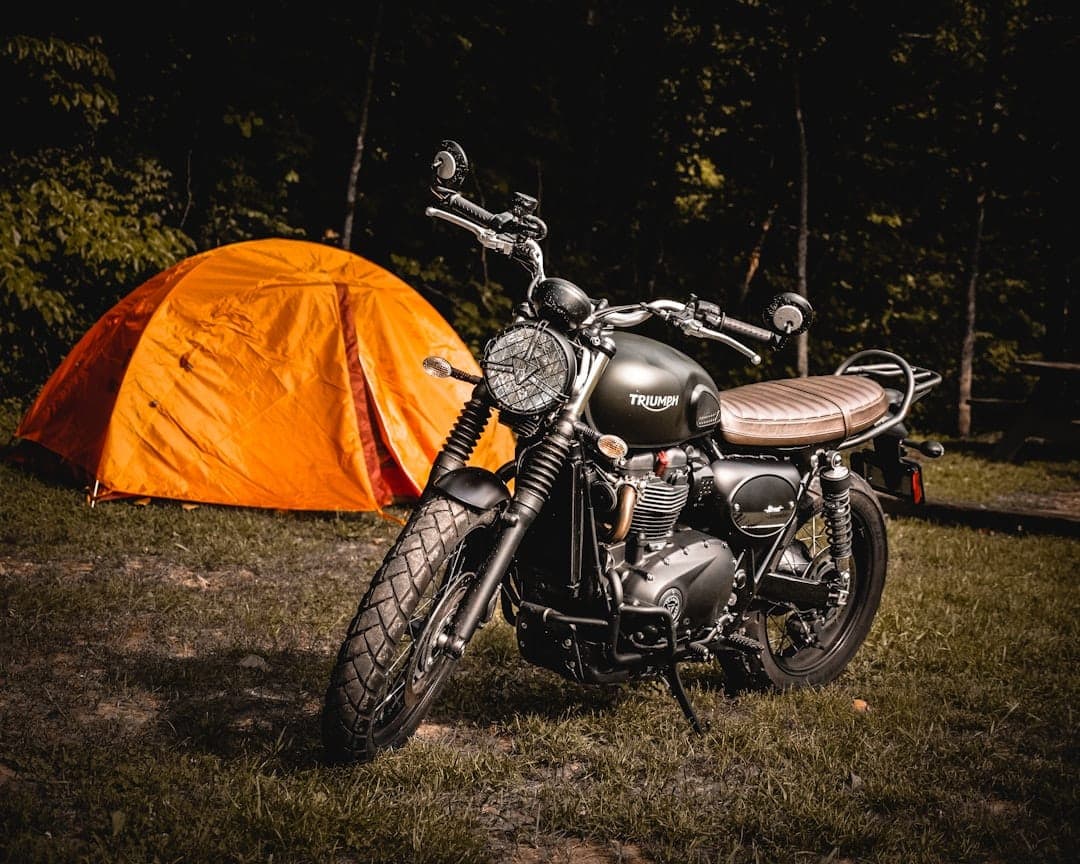
Moto Camping for Beginners: The Complete Guide to Motorcycle Camping (2026)
Everything you need to start motorcycle camping — gear, packing, route planning, and what nobody tells you about sleeping next to your bike. The cheapest adventure on two wheels.
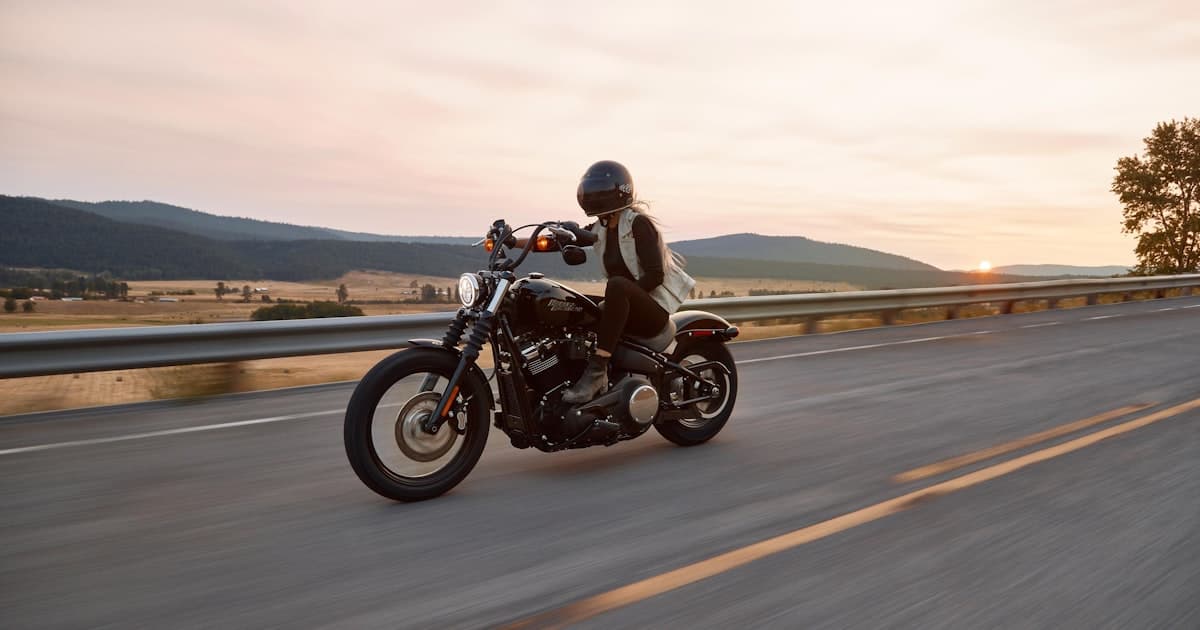
7 Best Motorcycle Roads in California (2026 Riding Guide)
The best motorcycle routes in California from Pacific Coast Highway to hidden canyon roads. Distances, skill levels, fuel stops, and the best time to ride each one.
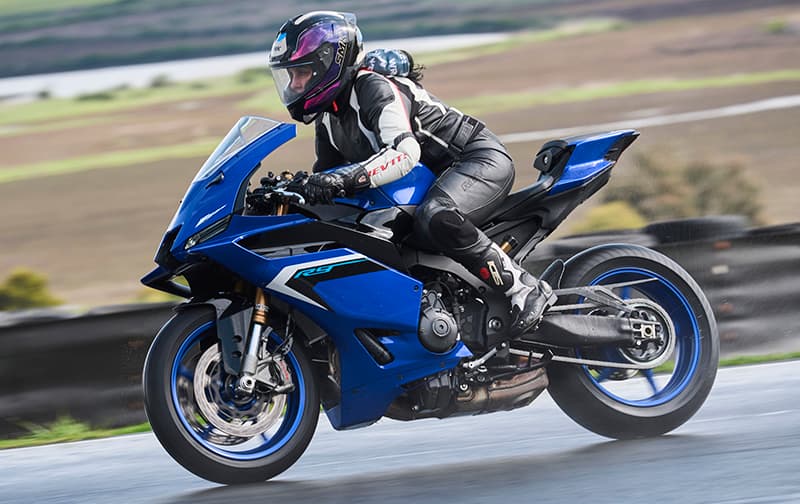
Best Motorcycles for Women 2026
14 bikes ranked by seat height, weight, and fit. Includes the inseam-to-seat chart nobody else has and the gatekeeping myths you need to ignore.