This post may contain affiliate links. We only recommend gear we'd use ourselves. If you click a link and make a purchase, we may earn a small commission at no extra cost to you.
In This Article
The best motorcycle backpack for most riders is the Kriega R25 -- a 25-liter waterproof pack with a quad-lock harness system that eliminates shoulder fatigue and keeps the bag locked to your torso instead of shifting around at speed. If you want an aerodynamic hardshell for sport riding, the OGIO No Drag Mach 3 is the standard. For riders who'd rather keep weight off their back entirely, the SW-MOTECH PRO Engage Tank Bag mounts directly to your fuel tank and gives you 7-10 liters of accessible storage without any body strain.
Carrying gear on a motorcycle isn't like throwing a bag over your shoulder for a walk to the office. Wind resistance, body movement, weight distribution, and weather all matter in ways they never do off the bike. The wrong bag makes you a sail at highway speed. The right one disappears.
Our Top Picks:
| Pick | Product | Rating |
|---|---|---|
| Best Overall | Kriega R25 | 5/5 |
| Best Aerodynamic | OGIO No Drag Mach 3 | 4.5/5 |
| Best Tank Bag | SW-MOTECH PRO Engage | 4.5/5 |
Why Motorcycle-Specific Bags Matter
A regular backpack on a motorcycle is a liability. The Motorcycle Safety Foundation advises that improper cargo loading can significantly affect a motorcycle's handling and stability. At 60 mph, wind hits your back with roughly 15 pounds of force. A standard backpack catches that wind like a parachute -- it pulls you backward, shifts your weight, and makes the bike feel unstable. The straps dig into your shoulders because they weren't designed for sustained wind load. In rain, your laptop and spare clothes get soaked because a standard zipper is not waterproof.
Motorcycle-specific bags solve these problems by design. Aerodynamic shapes slice through wind instead of catching it. Harness systems distribute weight across your chest and hips instead of hanging everything from your shoulders. Waterproof construction uses welded seams and roll-top closures instead of zippers that leak.
The difference is immediately obvious the first time you ride with a purpose-built motorcycle bag. You feel less fatigue after an hour of highway riding. You don't constantly adjust straps. Your stuff stays dry. It's one of those upgrades where you wonder why you waited.
If you're building your complete riding setup, start with our motorcycle riding gear complete guide for helmets, jackets, gloves, and boots. Bags are the final layer -- get your safety gear sorted first.
Types of Motorcycle Bags
Before diving into specific products, it helps to understand the categories. Each type of motorcycle bag solves a different problem, and many riders end up owning more than one.
Backpacks
The most versatile option. A motorcycle backpack goes with you when you leave the bike -- into the office, grocery store, or campsite. The downside is that all the weight sits on your body. Good motorcycle backpacks mitigate this with aerodynamic shells, chest/waist straps, and low-profile designs that reduce wind catch.
Best for: Commuters, daily riders, riders who need to carry their bag off the bike.
Tank Bags
Tank bags mount on top of your fuel tank using magnets, straps, or quick-lock ring systems. They keep weight low and centered on the bike, which is better for handling than a backpack. Many include a clear top pocket for a phone or map. The downsides: they can scratch your tank paint, they're not easily portable when you leave the bike, and they limit how far forward you can lean.
Best for: Touring riders, day trips, riders who want easy-access storage without wearing a bag.
Tail Bags / Seat Bags
These strap to your rear seat or luggage rack. They handle larger loads than backpacks and keep weight off your body, but they change your bike's weight balance and make it harder to carry a passenger. Some convert into backpacks for off-bike use.
Best for: Touring, road trips, riders who carry a lot of gear and don't need a passenger seat.
Saddlebags
Saddlebags hang on either side of the rear wheel, distributing weight evenly and keeping your center of gravity low. They offer the most storage capacity of any motorcycle bag type. Hard saddlebags are lockable and weatherproof but expensive and permanent. Soft saddlebags are cheaper and removable but less secure.
Best for: Long-distance touring, daily commuters who carry a lot, adventure riders.
The 7 Best Motorcycle Backpacks and Riding Bags
1. Kriega R25 -- Best Overall Motorcycle Backpack
Kriega R25
The best motorcycle backpack on the market. 25-liter waterproof main compartment with Kriega's patented quad-lock harness system that distributes weight across your upper body instead of hanging from your shoulders. The harness connects to itself across your chest and around your waist, so the bag stays locked to your torso with zero bounce at any speed.
The Kriega R25 is the backpack that experienced riders recommend more than any other, and the reason comes down to the harness. Most backpacks hang from your shoulders with two straps. The Kriega uses a quad-lock harness -- four attachment points that wrap across your chest and clip around your waist. The bag doesn't bounce. It doesn't shift. It doesn't pull you backward in wind. It feels like a part of your jacket.
The main compartment is a 25-liter dry bag with a roll-top closure. Not water-resistant -- actually waterproof. Kriega tests their bags by submerging them. Your laptop, clothes, and camera gear stay dry in a downpour that would soak through any zipper-based bag in minutes.
The 25-liter capacity is the sweet spot for most riders. It fits a 15-inch laptop, a change of clothes, and your daily essentials without being so large that it catches wind. If you need more space, Kriega makes the R30 and R35 in the same design.
At around $160, the R25 costs more than budget backpacks. But this is a bag you buy once and use for years. The construction quality is legitimately built to motorcycle standards -- not fashion standards with motorcycle branding slapped on.
Strengths
- Quad-lock harness eliminates shoulder fatigue
- Truly waterproof roll-top main compartment
- 25L capacity fits a laptop and daily essentials
- Stays locked to your body with zero bounce at speed
- 10-year warranty from Kriega
Weaknesses
- Higher price point than budget options (~$160)
- No external pockets on the main bag
- Harness system takes a minute to learn the first time
- Only available in black
2. OGIO No Drag Mach 3 -- Best Aerodynamic Backpack
OGIO No Drag Mach 3
Molded aerodynamic hardshell that cuts through wind instead of catching it. Designed specifically for sport and naked bike riders who lean forward and deal with heavy wind resistance. The exoskeleton shape eliminates buffeting and keeps the bag from deforming at speed.
The OGIO Mach 3 looks like it was designed in a wind tunnel -- because it basically was. The molded exoskeleton gives the bag a rigid, aerodynamic shape that slices through air instead of catching it. At highway speeds, the difference between this and a regular backpack is dramatic. Less pull on your shoulders. Less buffeting in crosswinds. Less fatigue after an hour of riding.
The interior holds about 1,350 cubic inches of gear -- enough for a laptop, charger, wallet, keys, and a light layer. It's not a touring bag. It's a commuter bag built for riders who want to carry the essentials without feeling like they're wearing a parachute.
The back panel has bolstered foam channels that sit off your back slightly, allowing air to flow between the bag and your jacket. On hot days, that ventilation channel makes a noticeable difference. The 360-degree reflective piping adds visibility for night riding without looking like a construction vest.
The Mach 3 has been OGIO's flagship motorcycle bag for years, and it's earned that reputation. The only real downside is the rigid shape -- you can't stuff it into a locker or compress it when it's empty. It's always the same size and shape, which can be awkward off the bike.
Strengths
- Aerodynamic hardshell drastically reduces wind drag
- Back ventilation channel keeps you cooler
- 360-degree reflective piping for night visibility
- Adjustable sternum and waist straps
- Fits a laptop up to 15 inches
Weaknesses
- Rigid shell can't compress when empty
- Smaller capacity than soft backpacks (~22L)
- Not waterproof -- water-resistant only
- Higher price for the capacity you get (~$110-160)
If you ride a sport bike or naked bike and spend a lot of time at highway speeds, an aerodynamic backpack like the Mach 3 pays for itself in reduced fatigue. The difference over a 200-mile day is significant -- your shoulders and lower back will thank you.
3. Nelson-Rigg Hurricane Waterproof Backpack -- Best Budget Waterproof
Nelson-Rigg Hurricane Waterproof Backpack/Tail Pack
100% waterproof 20L backpack made from UV-coated PVC tarpaulin with electronically heat-welded seams. Roll-top closure keeps water out in sustained downpours. Doubles as a tail pack with included mounting straps. All this for around $50.
Nelson-Rigg built the Hurricane for riders who get caught in rain and don't want to worry about it. The construction is dead simple and extremely effective -- 24 oz PVC tarpaulin with heat-welded seams (no stitching that water can seep through) and a roll-top closure with quick-release buckles. This bag is waterproof the way a dry bag is waterproof. Not water-resistant. Not "works in light rain." Submersible waterproof.
The 20-liter capacity holds a change of clothes, shoes, and your daily carry. The padded shoulder straps are comfortable enough, though they don't compare to the Kriega's harness system. For the price point, they get the job done.
The dual-use design is clever -- remove the backpack straps and it converts into a tail pack with the included mounting straps. If you're planning a motorcycle road trip, you can use it as a tail bag to keep weight off your back on long highway stretches.
At roughly $50, the Nelson-Rigg Hurricane is the best value waterproof motorcycle bag you can buy. It won't win any style awards, and it lacks the organizational pockets of more expensive bags. But it will keep your gear bone dry in a monsoon, and that's what matters when you're 60 miles from home and the sky opens up.
4. Alpinestars City Hunter Backpack -- Best Urban Commuter
Alpinestars City Hunter Backpack
A 25-liter motorcycle backpack that doesn't look like motorcycle gear. Clean urban styling with a padded laptop sleeve, multiple organizer pockets, and reflective details. Comfortable enough for all-day wear on and off the bike.
Not every rider wants to look like they're wearing motorcycle gear when they walk into the office. The Alpinestars City Hunter is a 25-liter backpack that bridges the gap between motorcycle-specific and everyday casual. It looks like a premium urban backpack -- because it is one -- but it's designed by a company that's been making motorcycle gear since 1963.
The construction uses durable 1680D ballistic nylon that handles abrasion far better than the thin fabric on typical fashion backpacks. Inside, you get a padded laptop sleeve (fits up to 15 inches), multiple organizer pockets for cables and small items, and a fleece-lined pocket for sunglasses or a phone.
The shoulder straps include an adjustable sternum strap that keeps the bag from shifting while you ride. Reflective details add visibility without screaming "motorcycle gear." The overall profile is compact enough that it doesn't catch much wind, though it's not aerodynamic like the OGIO Mach 3.
At around $80, the City Hunter sits in the sweet spot between budget bags and premium packs. It's not waterproof (bring a rain cover or keep a dry bag inside for wet days), and it doesn't have the harness sophistication of the Kriega. But for daily commuters who want one bag that works on the bike and off it without looking out of place, this is the pick.
5. SW-MOTECH PRO Engage Tank Bag -- Best Tank Bag
SW-MOTECH PRO Engage Tank Bag
Quick-lock mounting system attaches and detaches in seconds without magnets or straps. 7-10 liter expandable capacity with a waterproof inner bag. Keeps all weight on the bike instead of your body. Clear top pocket for phone or GPS.
If you want to carry gear without wearing it on your back, a tank bag is the answer. The SW-MOTECH PRO Engage is the best one you can buy because of the quick-lock mounting system. You install a locking ring around your fuel cap once, and from then on, the bag clicks on and off in two seconds. No magnets that can scratch your paint. No straps that shift around. It just locks in place and stays there.
The 7-10 liter expandable capacity sounds small on paper, but it's enough for a phone, wallet, keys, snacks, a rain layer, and a water bottle -- everything you need for a day ride. The clear top pocket fits a phone perfectly for GPS navigation, keeping it visible and accessible without mounting anything to your handlebars.
SW-MOTECH includes a waterproof inner bag for rainy days, and the bag's shape is low-profile enough that it doesn't interfere with your riding position on most bikes. The only caveat is that the quick-lock system requires a bike-specific adapter ring, so check compatibility with your motorcycle before ordering.
For touring riders and long-distance commuters, a tank bag keeps your weight distribution centered on the bike instead of on your shoulders. Your back will feel the difference after 200 miles. This is the upgrade riders wish they'd made sooner.
Magnetic tank bags can scratch your paint over time, especially if dirt or grit gets trapped between the magnets and your tank. The SW-MOTECH quick-lock system avoids this problem entirely. If you do use a magnetic tank bag, always wipe down your tank before mounting it.
6. Viking Large Motorcycle Tank Bag -- Best Budget Tank Bag
Viking Large Motorcycle Tank Bag
Magnetic-mount tank bag with a generous main compartment, clear map/phone pocket on top, and included rain cover. Universal fit works on any steel tank. Gets you into the tank bag category for around $50 without major compromises.
Not everyone needs (or wants to pay for) the SW-MOTECH quick-lock system. The Viking Large Tank Bag uses strong magnets to attach directly to any steel fuel tank -- no adapter rings, no installation, just set it down and it grabs hold. At around $50, it's the easiest way to add tank storage to your motorcycle.
The main compartment is generous for a tank bag, with enough room for a phone, wallet, water bottle, snacks, and a light rain layer. The clear top pocket fits a phone or folded map and keeps it visible while you ride. Viking includes a rain cover in the package, which is a nice touch at this price point since the bag itself isn't waterproof.
The magnetic mounting has two caveats. First, it only works on steel tanks -- if your bike has an aluminum or plastic tank (common on some ADV bikes), the magnets won't stick. Second, magnets can trap grit against your paint over time. Use a microfiber cloth between the magnets and your tank, or wipe down both surfaces before mounting.
For the price, the Viking Large Tank Bag is a solid entry into tank bag storage. It won't match the SW-MOTECH's build quality or mounting security, but it gets the job done for day rides and short trips.
7. Kuryakyn Momentum Road Warrior Bag -- Best Touring Bag
Kuryakyn Momentum Road Warrior Bag
Massive 60-liter touring bag with three separate zippered compartments, eight external pockets, and two bottle holders. Mounts to your rear seat, sissy bar, or luggage rack. Built for serious distance and multi-day trips.
The Kuryakyn Road Warrior is for riders who go the distance. At 60 liters, this is the largest bag on this list by a wide margin -- it's not a backpack, it's a full touring luggage system that mounts to your rear seat, sissy bar, or luggage rack using heavy-duty adjustable straps.
Three separate zippered openings give you access to the main compartment from different angles, which matters when you're digging for a specific item at a gas station. Eight external stash pockets hold the small stuff you need quick access to -- phone, wallet, sunglasses, toll money, snacks. Two mesh bottle pockets on the sides keep drinks within reach.
The construction is weather-resistant 1680D ballistic nylon with a reinforced base that won't sag when loaded. It's not fully waterproof, but it handles light rain without letting water through. For serious storms, throw a rain cover over it or pack your essentials in dry bags inside.
At around $100, the Road Warrior offers an enormous amount of organized storage for the price. It's the bag you want for a motorcycle road trip where saddlebags aren't an option or you need extra capacity on top of what you already have. The size does mean it eliminates your passenger seat, so this is solo-rider territory.
How to Choose the Right Motorcycle Bag
The "best" motorcycle bag depends entirely on how you ride. Here's a quick decision framework:
Daily commuter, short rides (under 50 miles): A motorcycle backpack is the most practical choice. You wear it on the bike and take it with you off the bike. The Alpinestars City Hunter for style, the Kriega R25 for performance.
Highway commuter, sport/naked bike: An aerodynamic backpack like the OGIO Mach 3 reduces fatigue on longer rides at speed. The rigid shell pays for itself in wind resistance reduction.
Day trips and weekend rides: A tank bag keeps weight off your body and gives you easy access to essentials. The SW-MOTECH PRO Engage for premium, the Viking Large for budget.
Multi-day touring and road trips: The Kuryakyn Road Warrior or similar tail bag gives you the capacity for clothes, tools, and camping gear. Combine it with a tank bag for maximum accessible storage.
All-weather rider: Waterproof matters more than anything else. The Kriega R25 or Nelson-Rigg Hurricane will keep your gear dry in any conditions. Budget pick is the Nelson-Rigg at $50.
Many experienced riders own two or three types of bags and swap depending on the ride. A backpack for commuting, a tank bag for day trips, and a tail bag for road trips. Start with the one that fits your most common ride and add from there.
What to Look for in a Motorcycle Bag
Waterproofing
There's a critical difference between water-resistant and waterproof. Water-resistant bags use coated fabric and sealed zippers that handle light rain and splashes. Waterproof bags use welded seams and roll-top closures that can survive sustained downpours and even submersion.
If you ride in rain regularly, buy a waterproof bag or keep a dry bag inside your pack. Getting caught in a storm 100 miles from home with a soaked laptop is a lesson you only need to learn once.
Weight Distribution
Where the bag puts weight on your body (or your bike) affects handling and fatigue. Research from the National Institutes of Health has shown that sustained asymmetric or elevated loading on the spine contributes to rider fatigue and slower reaction times. Backpacks put weight on your shoulders and raise your center of gravity. Tank bags keep weight low and centered. Tail bags shift weight rearward. For long rides, any bag that keeps weight off your shoulders is easier on your body.
Mounting Security
Your bag needs to stay exactly where you put it at 80 mph in a crosswind. For backpacks, that means chest straps and waist belts. For tank bags, that means strong magnets or a quick-lock system. For tail bags, that means multiple attachment points with adjustable straps. A bag that shifts or bounces is distracting at best and dangerous at worst.
Capacity
Be honest about what you actually carry. Most commuters need 20-25 liters. Most day-trippers need 10-15 liters in a tank bag. Most tourers need 40-60 liters across one or more bags. Oversized bags catch more wind and add unnecessary weight. Right-size your bag for your typical load.
Visibility
Reflective elements on your bag make a real difference at night. You're already harder to see on a motorcycle than in a car -- a bag with reflective panels or piping adds another point of visibility for drivers behind you. Several bags on this list include reflective details, and they're worth prioritizing.
What About Saddlebags?
Saddlebags are the storage solution for riders who need serious capacity without wearing anything on their back. They distribute weight evenly on both sides of the bike, keep your center of gravity low, and offer the most total storage of any motorcycle luggage system.
Hard saddlebags (like those from GIVI, SW-MOTECH, or factory options) are lockable, weatherproof, and rigid. They protect your gear and don't flap in wind. The downsides: they're expensive ($300-800+ for a set), they change the width of your bike (which affects lane splitting and tight parking), and they're a commitment -- they stay on the bike.
Soft saddlebags (like those from Viking, Nelson-Rigg, or Kriega) are cheaper ($80-200), removable, and lighter. They compress when empty. The downsides: they're not lockable, they can sag into your rear wheel if not properly supported, and they're less weatherproof.
If you're doing regular touring or long commutes with heavy loads, saddlebags are worth investigating. For most riders, a good backpack or tank bag covers daily needs without the complexity and cost of saddlebags.
Keeping Your Gear Dry
Even with a waterproof bag, smart packing matters. Here's how experienced riders keep their gear dry on wet rides:
- Pack electronics in a dry bag inside your bag -- double protection in case your outer bag takes on water through an open pocket or damaged seam
- Use packing cubes or ziplock bags to organize and add another layer of water protection to individual items
- Keep your rain gear on top so you can access it without unpacking everything when the sky turns dark
- Carry a lightweight rain cover even if your bag is waterproof -- a cover over your tank bag prevents water from pooling in pockets and zipper areas
- Never trust zippers in heavy rain -- even "waterproof" zippers eventually leak under sustained pressure. Roll-top closures are more reliable
If you're new to riding in wet conditions, our guide on how to ride in rain covers technique, visibility, and gear beyond just bags.
Carrying a Motorcycle Tool Kit
Every rider should carry a basic motorcycle tool kit regardless of how long the ride is. The question is where to put it. Here are the best options depending on your bag setup:
- Under-seat storage -- most bikes have a small compartment under the seat that fits a compact tool roll. This is the best spot because it doesn't take up bag space and it's always with the bike
- Tank bag -- easy access for roadside fixes. Keep the tool roll in the bottom of the tank bag as a permanent resident
- Tail bag -- good for larger tool kits on touring setups. Pack it at the bottom so it doesn't shift around
- Backpack -- the least ideal spot for tools because they're heavy and uncomfortable on your back, but better than not carrying them at all
The key is having the tools on the bike at all times, not just on long trips. Breakdowns don't wait for convenient timing.
Comparison Table
| Bag | Type | Capacity | Waterproof | Price |
|---|---|---|---|---|
| Kriega R25 | Backpack | 25L | Yes | ~$160 |
| OGIO No Drag Mach 3 | Backpack | ~22L | No (resistant) | ~$110-160 |
| Nelson-Rigg Hurricane | Backpack/Tail | 20L | Yes | ~$50 |
| Alpinestars City Hunter | Backpack | 25L | No | ~$80 |
| SW-MOTECH PRO Engage | Tank Bag | 7-10L | Yes (inner bag) | ~$120 |
| Viking Large Tank Bag | Tank Bag | ~14L | No (rain cover included) | ~$50 |
| Kuryakyn Road Warrior | Tail/Seat Bag | 60L | No (resistant) | ~$100 |
Final Thoughts
Your motorcycle bag choice comes down to how you ride and what you carry. For most riders, the Kriega R25 is the best all-around motorcycle backpack because the harness system, waterproofing, and build quality are in a class of their own. If aerodynamics matter more for your riding style, the OGIO Mach 3 is the proven choice. If you'd rather keep weight off your back entirely, the SW-MOTECH PRO Engage tank bag is the cleanest mounting system available.
Don't overthink it. Pick the bag type that matches your riding style, buy a quality version, and ride. You can always add a second bag type later as your needs evolve.
For more gear recommendations, check out our complete riding gear guide and our first motorcycle road trip guide for packing and planning advice.
Frequently Asked Questions
Can I use a regular backpack on a motorcycle?
You can, but it's a poor experience. Regular backpacks catch wind like a parachute, pull on your shoulders, shift around at speed, and soak through in rain. Motorcycle-specific backpacks use aerodynamic shapes, chest/waist straps, and waterproof materials that solve all of these problems. Even a budget motorcycle backpack like the Nelson-Rigg Hurricane is a massive upgrade over a regular bag.
Are motorcycle backpacks bad for your back?
Any weight on your back adds strain over long rides, but a well-designed motorcycle backpack minimizes the impact. Harness systems like Kriega's quad-lock distribute weight across your chest and waist instead of hanging everything from your shoulders. For rides over 100 miles, consider a tank bag or tail bag to keep weight off your body entirely.
What size motorcycle backpack do I need?
Most commuters need 20-25 liters, which fits a laptop, change of clothes, and daily essentials. For day trips with minimal gear, 15-20 liters is plenty. For multi-day trips, you'll want 30+ liters or a combination of bags. Avoid oversized bags -- extra capacity you don't use just catches more wind.
Do magnetic tank bags scratch your motorcycle tank?
They can. Dirt or grit trapped between the magnets and your tank acts like sandpaper when the bag shifts. Prevent this by wiping down your tank and the magnet surfaces before every use, or place a microfiber cloth between the magnets and paint. Quick-lock systems like SW-MOTECH avoid this problem entirely because nothing contacts your paint.
Is a tank bag or backpack better for motorcycle commuting?
A backpack is more practical for commuting because you take it with you when you leave the bike. A tank bag stays on the bike or needs to be removed and carried separately. If your commute is mostly highway miles and you want less fatigue, a tank bag keeps weight off your body. Most commuters prefer a backpack for the convenience of walking away with all their stuff.
How do I keep my gear dry on a motorcycle?
Use a waterproof bag (roll-top closure, welded seams) as your primary defense. Pack electronics in a dry bag or ziplock inside your main bag for double protection. Keep rain gear accessible at the top of your pack. If your bag is only water-resistant, carry a separate rain cover. Never rely solely on zippers to keep water out in sustained rain.
Can I wear a backpack with a motorcycle airbag vest?
Yes, but check compatibility. Most backpacks worn over an airbag vest work fine as long as the chest strap doesn't interfere with the vest's deployment mechanism. Some airbag vest manufacturers recommend wearing the backpack under the vest straps. Read your airbag vest manual for specific guidance -- our motorcycle airbag vest guide covers the details.
Written by
6FOOT4HONDAMotorcycle creator with 1.2M+ subscribers on YouTube and 2M+ across all platforms. Riding and filming since 2016, with 1,000+ videos covering beginner riding tips, gear reviews, stunts, and road trips. Every product recommended on this site has been personally tested on real rides — from highway touring to track days to stunt sessions. Based in the US, riding year-round.
Related Articles
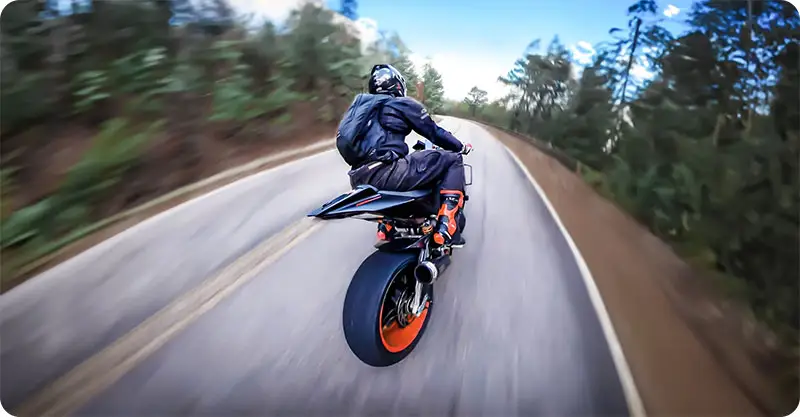
Best Motorcycle Dash Cam 2026: 7 Cameras Tested
The best motorcycle dash cam is the Insta360 X4 Air — 8K 360 coverage, 165g, and no blind spots. Plus 6 more picks for every budget.
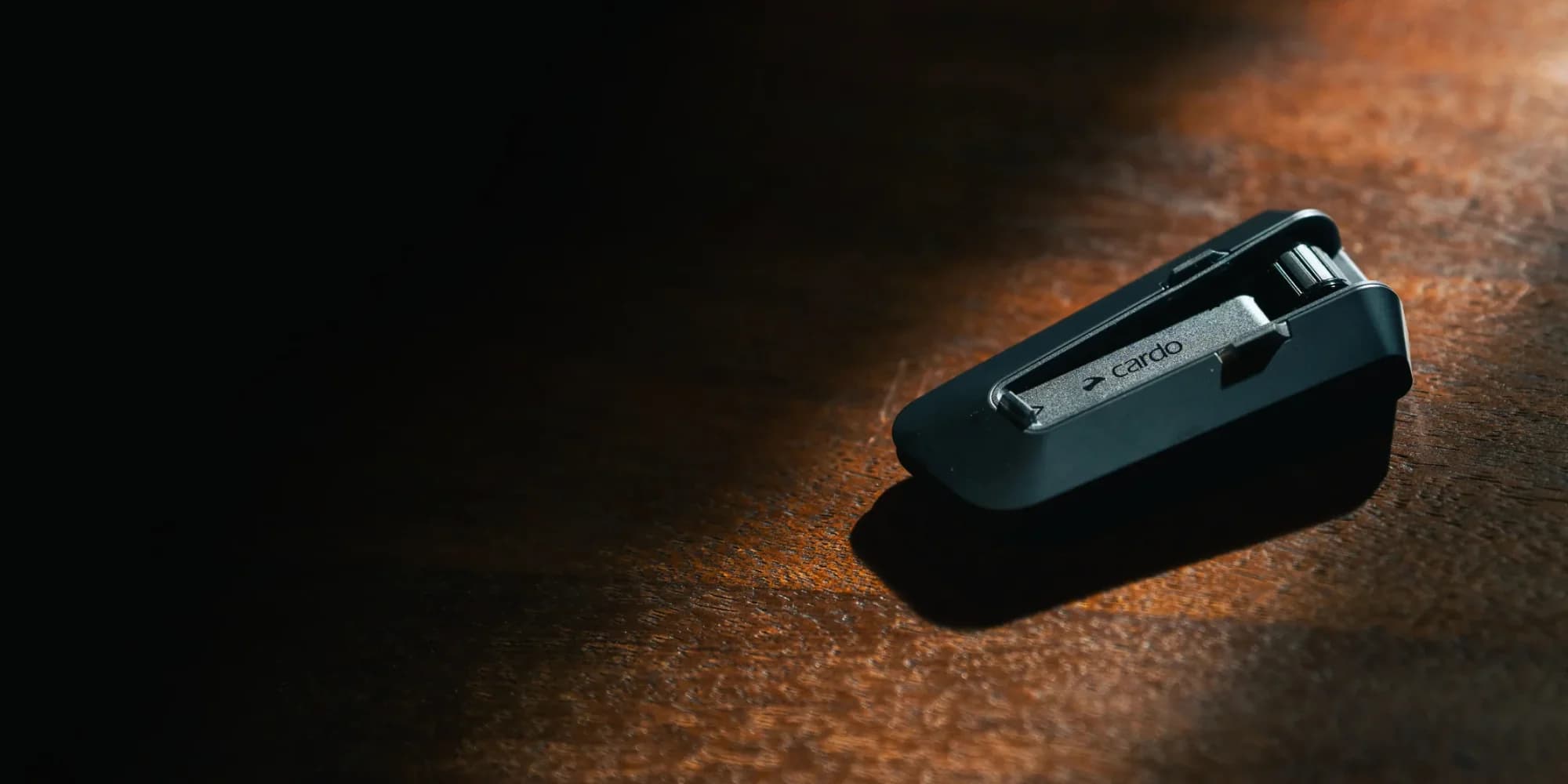
Best Motorcycle Bluetooth Headsets & Intercoms (2026)
The best motorcycle Bluetooth headsets ranked — Cardo, Sena, Fodsports, and budget picks. Music, calls, rider-to-rider intercom, and GPS audio compared at every price point.
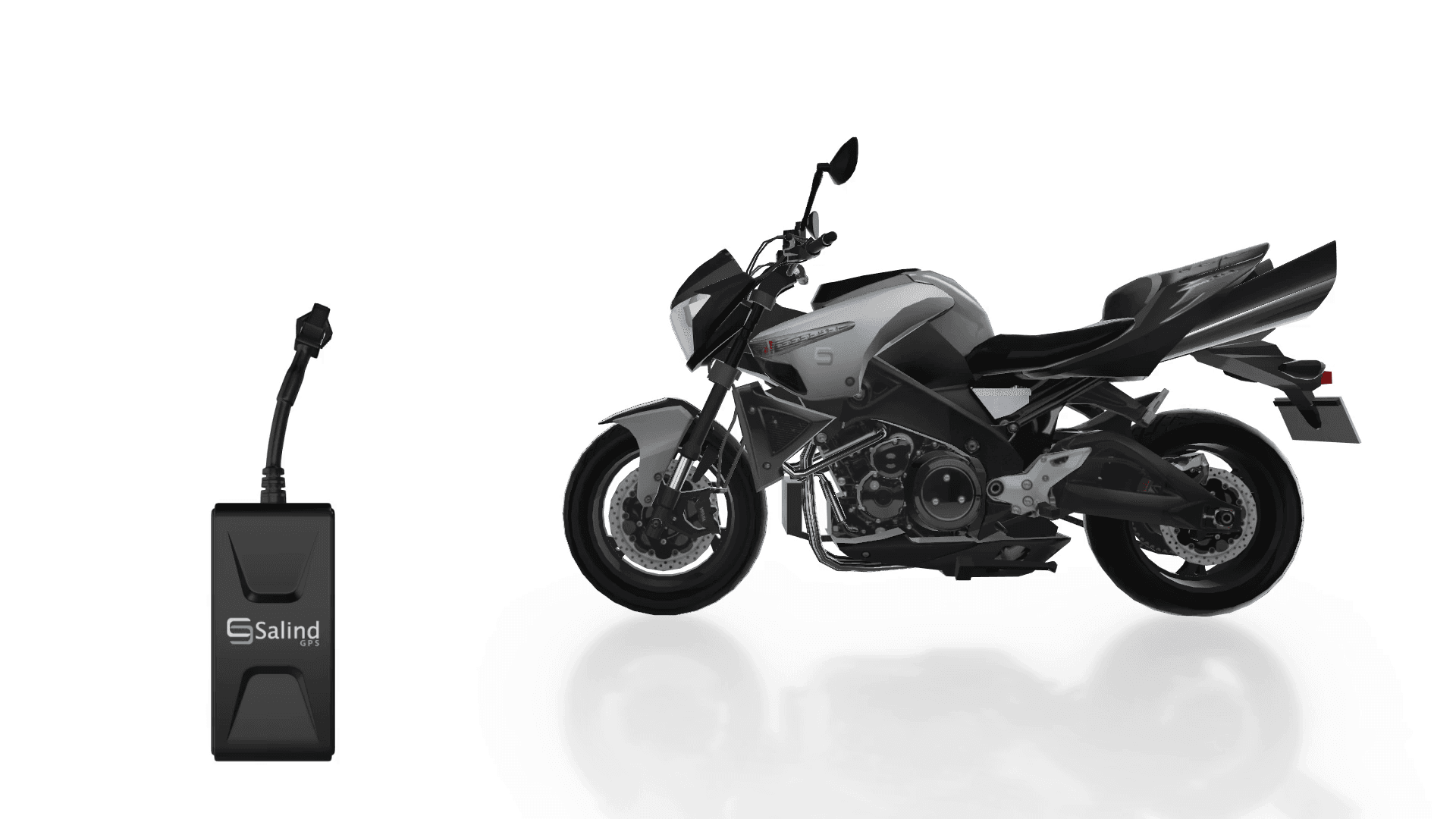
Best Motorcycle GPS Trackers (Real-Time Tracking, 2026)
The best motorcycle GPS trackers for real-time tracking and theft recovery. AirTags, Monimoto, SpyTec, and more — compared by tracking type, battery life, and subscription cost.