Honda Grom Stunt Build Guide: Complete Parts List and Budget Breakdown (2026)
By 6FOOT4HONDA · 15 min read · Mar 5, 2026
This post may contain affiliate links. We only recommend gear we'd use ourselves. If you click a link and make a purchase, we may earn a small commission at no extra cost to you.
In This Article
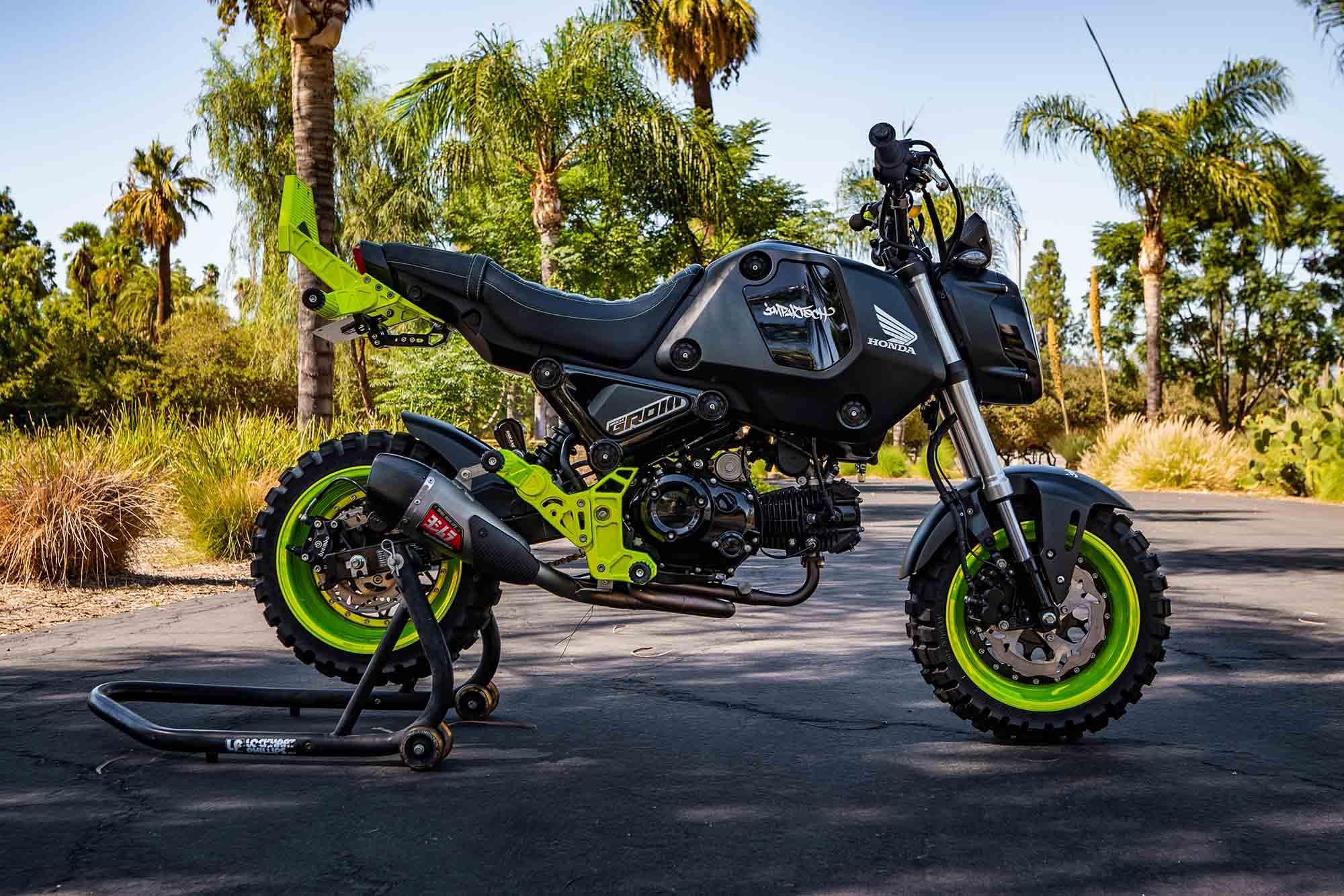
The Honda Grom is the best motorcycle to learn stunting on. Not one of the best. The best. At 227 pounds wet with a bulletproof 125cc single-cylinder engine, the Grom lets you practice wheelies, stoppies, burnouts, and every other trick with lower consequences than any full-size bike. When you drop it — and you will drop it — the damage is minimal, the parts are cheap, and you pick it up with one hand.
This guide covers every part you need to build a Grom for stunting, organized by what to buy first, three complete budget breakdowns, which generation Grom to buy, and what to look for when buying used.
If you are still deciding on your stunt platform, read our complete breakdown of the best motorcycles for stunting. But if you have already decided on a Grom, this is your build bible.
Why the Grom Works for Stunting
Five reasons the Grom dominates the stunt learning curve:
227 pounds wet. That is lighter than most riders. When you loop it, you can literally catch it by the tail. When you drop it at low speed, it is like tipping over a bicycle. On a 450-pound 600cc, a loop means the bike goes over backward with enough momentum to crack the subframe. On a Grom, it just sort of flops.
125cc single-cylinder. The power is manageable and predictable. There are no sudden power spikes that catch you off guard. The clutch engagement is smooth and forgiving. You can hold the throttle wide open in first gear and the worst that happens is a gentle front-wheel lift. On a 600cc, wide open throttle in first gear can kill you.
Bulletproof reliability. Honda's 125cc engine is one of the most over-engineered small engines ever made. It happily revs to redline all day, tolerates clutch abuse that would destroy other engines, and runs for tens of thousands of miles without major service. Stunt riders routinely put 20,000+ hard miles on Grom engines without issues.
Massive aftermarket. The Grom has one of the largest aftermarket ecosystems of any motorcycle. Every crash protection part, performance upgrade, and cosmetic mod you could want exists in multiple brands and price points. You will never be stuck waiting for a part.
Year-round platform. Many riders keep their Grom specifically as a stunt practice bike even after they move up to a full-size stunt machine. The low cost of consumables (tires, clutch plates, chains) means you can practice daily without burning money. A rear tire for a Grom costs half what a rear tire for a CBR600 costs.
Parts List by Priority
Not every part matters equally. Buy in this order — each priority level builds on the last.
Priority 1: Crash Protection
Crash protection goes on first. Before you practice a single wheelie. Before you do anything. This is not negotiable.
Crash Cage ($100-$250)
A crash cage wraps around the engine and frame, creating a protective skeleton that takes the impact instead of your bodywork and engine cases. When you lowside (and you will), the cage slides across the pavement while the engine, fairings, and frame stay untouched.
| Option | Price | Notes |
|---|---|---|
| Budget eBay/Amazon cage | $100-$130 | Gets the job done. Weaker welds, may bend on hard impacts. Fine for learning |
| Impaktech crash cage | $180-$220 | The gold standard for Grom cages. Beefy construction, perfect fitment, replaceable sliders |
| TST Industries cage | $200-$250 | Premium build quality, integrated design, multiple color options |
Impaktech Grom Crash Cage
Impaktech is the name in stunt crash protection. Their Grom cage is built from thick-wall chromoly tubing with CNC-machined mounting points. It bolts directly to the engine mount points and wraps around the engine and frame. The replaceable UHMW sliders mean you swap a $15 slider after a crash instead of buying a new cage. This cage has saved thousands of dollars in damage for stunt riders worldwide.
Subcage ($150-$300)
A subcage replaces or reinforces the rear subframe, protecting the tail section during loops and rear-end impacts. The stock Grom subframe is thin and bends easily when the bike goes past 12 o'clock. A subcage is built from heavier tubing and includes a flat base that slides on the ground instead of catching and folding.
12 O'Clock Bar ($60-$150)
A 12 o'clock bar bolts to the subcage or rear frame and extends behind the bike. When you over-commit on a wheelie and the bike passes vertical, the bar touches the ground and prevents a full loop. It is your physical safety net for learning balance point.
Do not practice balance point without a 12 o'clock bar. Every experienced stunt rider will tell you the same thing. The bar pays for itself the first time you over-commit — which will happen during your first session at balance point.
Priority 2: Gearing
Gearing changes are the single most cost-effective modification you can make to a Grom for stunting. For $15-$50 in parts, you fundamentally change how the bike delivers power and how easy it is to wheelie.
Front Sprocket: 15T to 14T ($15-$25)
This is the best mod per dollar on a Grom. The stock Grom comes with a 15-tooth front sprocket. Swapping to a 14-tooth effectively shortens first and second gear, giving you more acceleration and making the front wheel lighter. Wheelies become easier because the engine does not have to work as hard to lift the front.
The installation takes 20 minutes with basic tools. You loosen the front sprocket nut, swap the sprocket, and re-tighten. That is it. If you do one modification before anything else (besides crash protection), do this.
JT Sprockets 14T Front Sprocket
JT Sprockets makes OEM-quality sprockets at aftermarket prices. Their 14-tooth front for the Grom is precision-machined steel that engages the chain perfectly and lasts thousands of miles. At under $20, this is the highest-value modification you can make to any stunt bike. Drops the front gearing by one tooth, which makes wheelies noticeably easier in first and second gear.
Rear Sprocket ($25-$50)
For even more aggressive gearing, you can go up on the rear sprocket too. Stock is 34T. Going to a 36T or 38T rear, combined with the 14T front, gives you significantly shorter gearing. The bike accelerates harder but the top speed drops. For stunting, this is exactly what you want — you are never going above 40 mph anyway.
Chain ($25-$50)
Changing sprocket sizes may require a different chain length. Even if it does not, a new high-quality chain is cheap and worth replacing if the stock chain is stretched or worn. A DID or RK 420-pitch chain is the standard for Groms.
Priority 3: Controls
Stunt Pegs ($40-$100)
Stunt pegs (also called stunt stands or crash pegs) are large, flat-topped pegs that mount to the rear axle or subframe. They serve two purposes: they give you a stable platform for standing tricks (tank stands, seat standers), and they protect the rear axle and swingarm during slides.
Look for pegs with a wide, flat top surface and aggressive grip. You want your feet to stay planted when you are standing on them at balance point.
Rear Handbrake ($80-$200)
A rear handbrake gives you a brake lever on the left handlebar that controls the rear brake. This is useful because your foot is not always on the rear brake pedal during tricks — when you are doing a tank stand, your feet are on the tank, not the pegs. A hand-operated rear brake gives you balance-point control from any body position.
This is not essential for learning basic wheelies and stoppies, but it becomes necessary as you progress to standing tricks and circle wheelies. Budget for it in your build but do not rush to install it.
Shorty Levers ($20-$50)
Shorty levers are shorter versions of your clutch and brake levers. They reduce the chance of a lever snagging on the ground during a crash and bending or breaking. They also give your fingers more precise control because you are using the end of the lever where the leverage is highest.
FXCNC Shorty Levers for Honda Grom
Affordable CNC-machined aluminum shorty levers that fit all Grom generations. Adjustable reach with 6 positions, so you can dial in the exact lever distance for your hand size. These are the levers that 90% of Grom stunt builders use because the quality is excellent for the price. They come in multiple colors if you care about matching your build.
Priority 4: Performance (Optional)
These mods are nice-to-have, not need-to-have. The stock Grom engine is perfectly capable of stunting without any performance upgrades. But if you want a bit more power or better reliability during hard use, here are the options.
Exhaust ($100-$300)
An aftermarket exhaust on a Grom adds maybe 1-2 horsepower — not life-changing on a bike that makes 9 horsepower stock. The real benefit is weight savings (aftermarket exhausts are lighter than stock) and sound. A Grom with a Yoshimura or Toce exhaust sounds like an angry lawnmower, which is hilarious and awesome.
The performance gain is marginal for stunting. Buy an exhaust because you want the sound and look, not because you need the power.
Air Filter ($20-$40)
A K&N or UNI air filter flows more air than the stock paper filter and is washable, so you never buy replacements. Combined with an exhaust, a freer-flowing air filter helps the engine breathe slightly better. Actual power gains are minimal but the throttle response may feel slightly crisper.
Manual Fan Switch ($15-$30)
The Grom's radiator fan turns on automatically when the engine reaches a certain temperature. During slow-speed stunt sessions on hot days, the engine can overheat before the fan kicks in. A manual fan switch lets you turn the fan on whenever you want, keeping engine temperatures lower during long practice sessions.
This is a 15-minute wiring job — you splice a toggle switch into the fan circuit. It is one of the simplest and most practical mods for stunt use.
Three Budget Breakdowns
Budget Build: $2,500-$3,800
You want to get stunting for as little as possible. Here is the minimum viable stunt Grom.
| Item | Cost |
|---|---|
| Used Grom (older Gen 1 or high-mileage Gen 2) | $1,800-$2,500 |
| Budget crash cage (eBay/Amazon) | $100-$130 |
| Budget subcage | $150-$200 |
| 12 o'clock bar | $60-$100 |
| 14T front sprocket | $15-$25 |
| New chain | $25-$40 |
| Shorty levers | $20-$40 |
| Total | $2,170-$3,035 |
This build gives you full crash protection, improved gearing, and everything you need to learn wheelies through balance point. Add a rear tire and oil changes and you are stunting for under $3,800.
Mid-Range Build: $3,200-$4,800
The sweet spot. Better parts, more features, no compromises on important stuff.
| Item | Cost |
|---|---|
| Used Grom (clean Gen 2) | $2,200-$3,000 |
| Impaktech crash cage | $180-$220 |
| Quality subcage | $200-$280 |
| 12 o'clock bar | $80-$120 |
| 14T front sprocket + 36T rear | $40-$70 |
| New chain | $25-$40 |
| Stunt pegs | $50-$80 |
| Shorty levers | $25-$40 |
| Rear handbrake | $100-$150 |
| Total | $2,900-$4,000 |
This build includes everything in the budget tier plus stunt pegs and a rear handbrake, which opens up standing tricks and advanced circle wheelie control. The better-quality crash cage means less worry about cage failure during harder crashes.
Full Send Build: $4,000-$5,500
Everything. No compromises. A purpose-built stunt weapon.
| Item | Cost |
|---|---|
| Used Grom (clean Gen 2 or Gen 3) | $2,500-$3,500 |
| Impaktech or TST crash cage | $200-$250 |
| Premium subcage | $250-$300 |
| 12 o'clock bar | $100-$150 |
| 14T front + 38T rear sprocket + chain | $50-$80 |
| Stunt pegs | $60-$100 |
| Shorty levers | $30-$50 |
| Rear handbrake | $150-$200 |
| Exhaust | $150-$250 |
| Air filter | $20-$40 |
| Manual fan switch | $15-$30 |
| Total | $3,525-$4,950 |
Add in consumables (tires, clutch plates, oil, brake pads) and you are looking at $4,000-$5,500 all-in for a fully built stunt Grom. For context on how this compares to building a full-size stunt bike, see our stunt bike cost breakdown.
Which Grom to Buy
Honda has released three generations of the Grom. All of them work for stunting. Here is how they compare.
Gen 1: 2014-2016 (Carbureted)
The original. Uses a carburetor instead of fuel injection. Slightly simpler mechanically, which some riders prefer for maintenance. The carburetor needs occasional cleaning if the bike sits for extended periods, but it is otherwise reliable.
Pros: Cheapest to buy used ($1,500-$2,500), simple carburetor that is easy to work on, established aftermarket support.
Cons: No fuel injection means cold starts can be annoying, slightly less power than later generations, older examples may have higher mileage or more wear.
Gen 2: 2017-2021 (Fuel Injected) — The Sweet Spot
The Gen 2 added fuel injection, which eliminates cold-start issues, provides more consistent throttle response, and requires zero carburetor maintenance. The engine is the same 125cc single-cylinder with slightly updated internals.
Pros: Fuel injection makes it dead-reliable in all conditions, massive aftermarket support, sweet spot of price versus features, huge availability on the used market.
Cons: Slightly more expensive than Gen 1 used ($2,000-$3,200), some riders report the fuel injection throttle response is slightly less direct than the carb for stunting (most riders cannot tell the difference).
This is the generation most stunt riders buy. It is the best combination of price, reliability, and parts availability.
Gen 3: 2022+ (5-Speed)
The Gen 3 redesigned the Grom with a new look, a five-speed transmission (up from four), and slightly more power. The extra gear gives you more options for stunt gearing setups.
Pros: Most powerful Grom, 5-speed transmission, newest design and components, still under warranty if bought recent.
Cons: Most expensive used ($2,800-$4,000+), some Gen 3-specific aftermarket parts are still catching up to Gen 1/2 availability, the new body style means Gen 1/2 plastics and some cage fitments do not fit.
What to Look For When Buying Used
Buying a used Grom for stunting is different from buying a used motorcycle for commuting. Here is what actually matters and what does not.
Mileage does not matter. A Grom with 15,000 miles that has been maintained is a better buy than a Grom with 3,000 miles that has been sitting in a garage for five years. The engine is overbuilt. High mileage is meaningless on a healthy Grom.
Check the frame. This is the one thing that matters most. Look at the frame welds, the steering head, and the swingarm pivot. Cracks, bends, or weld repairs mean the frame took a serious hit. Walk away from cracked frames. Everything else on the bike is replaceable cheaply — the frame is not.
Pre-installed stunt parts are a bonus. A used Grom that already has a crash cage, subcage, 12 o'clock bar, and sprocket change saves you $300-$600 in parts and installation time. These parts do not wear out, so used ones are just as good as new. A Grom listed as a "stunt build" is often a better deal than a stock Grom even if the asking price is slightly higher.
Salvage title is fine. For a stunt bike, a salvage or rebuilt title does not matter. You can verify a bike's history through the NICB VINCheck tool for free. You are not buying this for resale value — you are buying it to drop in parking lots. A salvage-title Grom can be $500-$1,000 cheaper than a clean-title equivalent. Just inspect the frame carefully since the salvage title means it was in an insurance-claimed incident.
Search "Grom stunt" on Facebook Marketplace. Riders constantly buy Groms, build them for stunting, then sell them when they upgrade to a full-size stunt bike. You can find fully built stunt Groms for the price of a stock Grom because the seller just wants to move it. Stunt riding Facebook groups are another gold mine for deals — riders sell to other riders at fair prices.
Grom Limitations and When to Upgrade
The Grom is the best learning platform. It is not the best stunt bike. At some point — usually 12-24 months into your progression — you will hit the ceiling of what the Grom can do.
Where the Grom falls short:
- Power wheelies are not really possible. The Grom does not have enough power to lift the front wheel with throttle alone (except in aggressive gearing with perfect technique). You are always doing clutch wheelies, which means you are always wearing your clutch.
- Top speed limits trick combinations. Some advanced combos require higher entry speeds that the Grom cannot reach.
- Second gear balance point is harder. The Grom's short gearing means second gear at balance point is at relatively high RPM, which can feel rushed.
- Burnouts eat through the small rear tire fast. A single long burnout session on a Grom can destroy a rear tire that would last months of normal riding.
When to upgrade: When you can consistently ride balance point wheelies, do circle wheelies, and feel limited by the bike's power rather than your skill. For most riders, this is 12-24 months of regular practice.
What to upgrade to: A Honda CBR600RR, Yamaha FZ-07/MT-07, or Kawasaki 636 are the most popular full-size stunt platforms. Read our best motorcycles for stunting guide for the full breakdown.
The smart move is to keep the Grom even after you upgrade. Use the Grom for learning new tricks (lower consequences), warming up before sessions on the big bike, and teaching friends who want to learn. A Grom stunt build holds its value well because there is always another rider looking for exactly what you built.
Follow the complete stunt progression guide to structure your learning, and check out how to wheelie a motorcycle for detailed wheelie technique.
Frequently Asked Questions
Can you stunt a Honda Grom?
Yes. The Honda Grom is the most popular motorcycle for learning to stunt. At 227 pounds with a bulletproof 125cc engine, it is light enough to catch when you loop it, cheap to repair when you drop it, and has a massive aftermarket for stunt-specific parts. Most experienced stunt riders either started on a Grom or recommend it as the ideal learning platform.
How much does it cost to build a Grom for stunting?
A complete Grom stunt build costs between $2,500 and $5,500 depending on the price of the bike and quality of parts. A budget build with a used Grom and essential crash protection runs $2,500 to $3,800. A mid-range build with better parts and a rear handbrake runs $3,200 to $4,800. A full build with everything including exhaust and performance mods runs $4,000 to $5,500.
What is the best year Honda Grom for stunting?
The 2017 to 2021 Gen 2 Grom is the sweet spot for most stunt builders. It has fuel injection for reliable starting and consistent throttle response, the largest aftermarket parts selection, and falls in the middle price range on the used market at $2,000 to $3,200. Gen 1 carb models work fine too and are cheaper. Gen 3 models are the newest but cost more and have slightly less aftermarket support.
What size front sprocket should I run on a stunt Grom?
Most stunt riders run a 14-tooth front sprocket, down one tooth from the stock 15-tooth. This is the single best value modification for stunting — it costs $15 to $25, installs in 20 minutes, and makes wheelies noticeably easier by shortening the gear ratios. Some aggressive riders go down to 13 teeth, but 14 is the standard recommendation for learning.
Do you need a crash cage on a Grom for stunting?
Absolutely yes. A crash cage is the first part you should install before practicing any stunts. Without a cage, every lowside grinds your engine cases, frame, and bodywork across the pavement. A single unprotected lowside can cause $200 or more in damage. A crash cage costs $100 to $250 and pays for itself the first time you drop the bike, which will happen during your first practice session.
Written by
6FOOT4HONDAMotorcycle creator with 1.2M+ subscribers on YouTube and 2M+ across all platforms. Riding and filming since 2016, with 1,000+ videos covering beginner riding tips, gear reviews, stunts, and road trips. Every product recommended on this site has been personally tested on real rides — from highway touring to track days to stunt sessions. Based in the US, riding year-round.
Related Articles
Best Motorcycles for Stunting (9 Bikes Ranked by Budget)
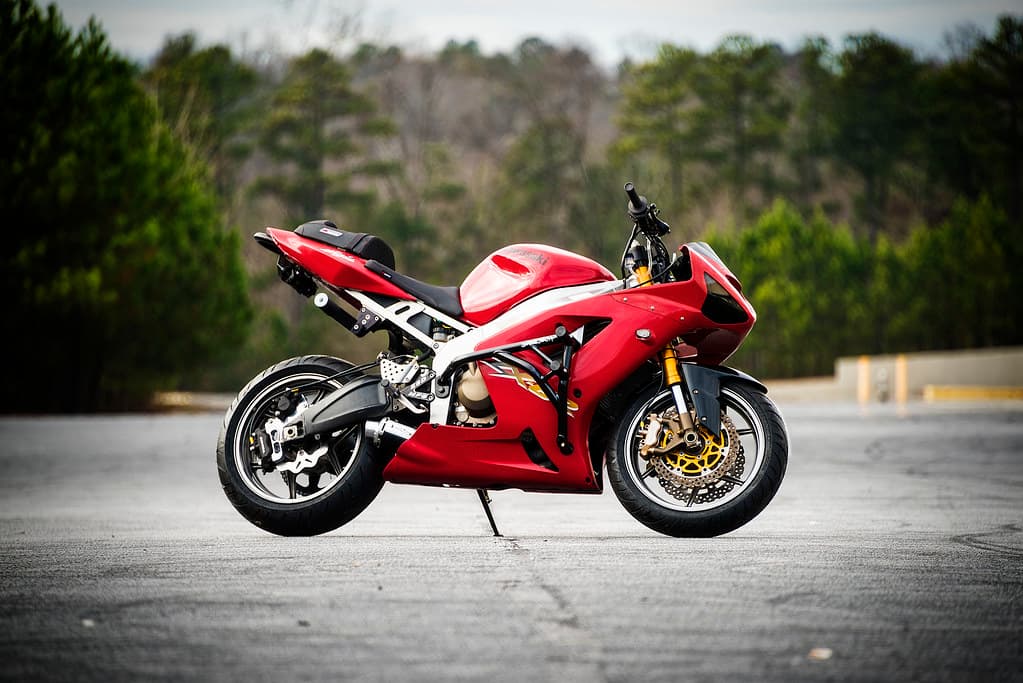
The 9 best motorcycles for stunting ranked by budget tier — from $1,800 Groms to $6,500 MT-07s. Every bike evaluated on weight, parts availability, aftermarket support, and real stunt potential.
Are Wheelies Bad for Your Motorcycle? (What Actually Breaks)
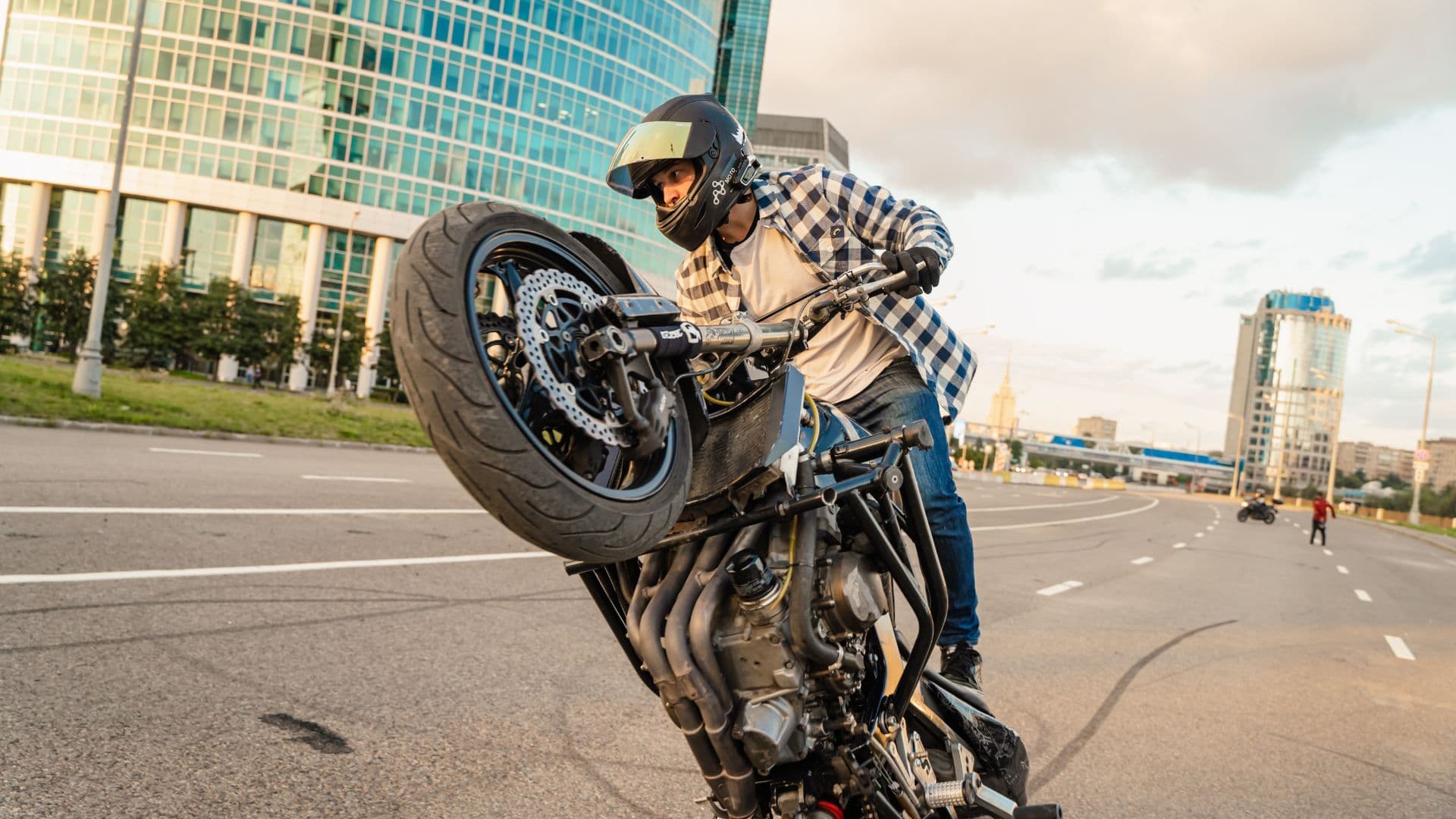
Do wheelies damage your motorcycle? The real answer — what wears out, what breaks, what is fine, and how to minimize mechanical damage while learning to stunt.
How Much Does a Stunt Bike Cost? (Full Breakdown)
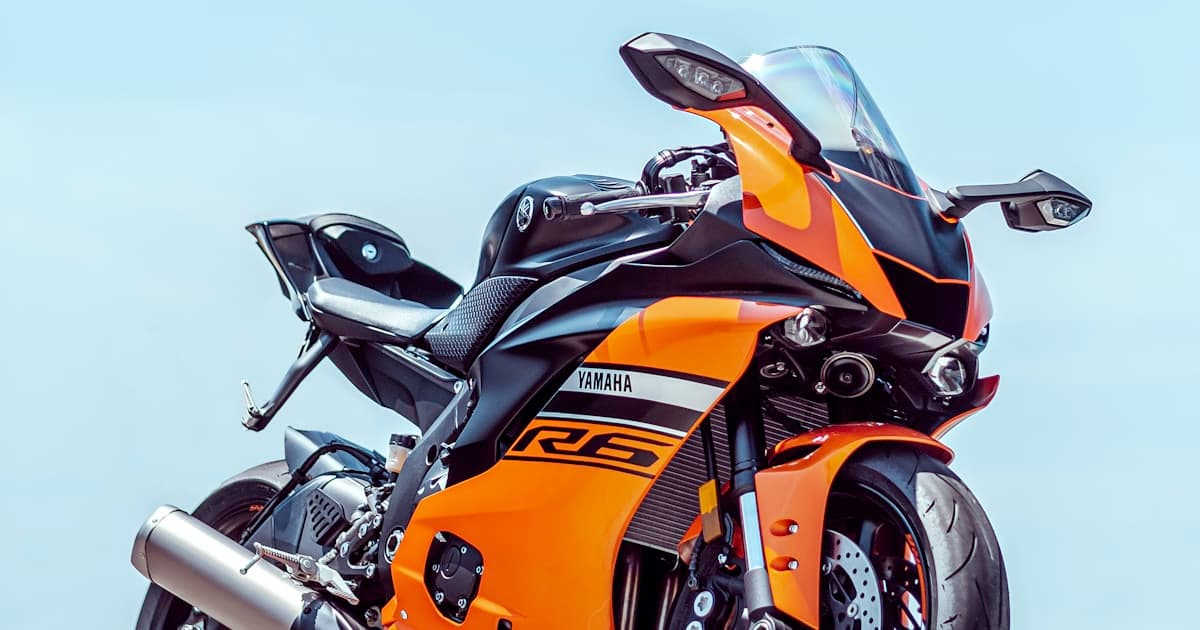
The real cost of building a stunt motorcycle — bike purchase, crash cages, subcage, handbrake, sprockets, and ongoing crash costs. Budget breakdowns from $2,500 to $10,000+.